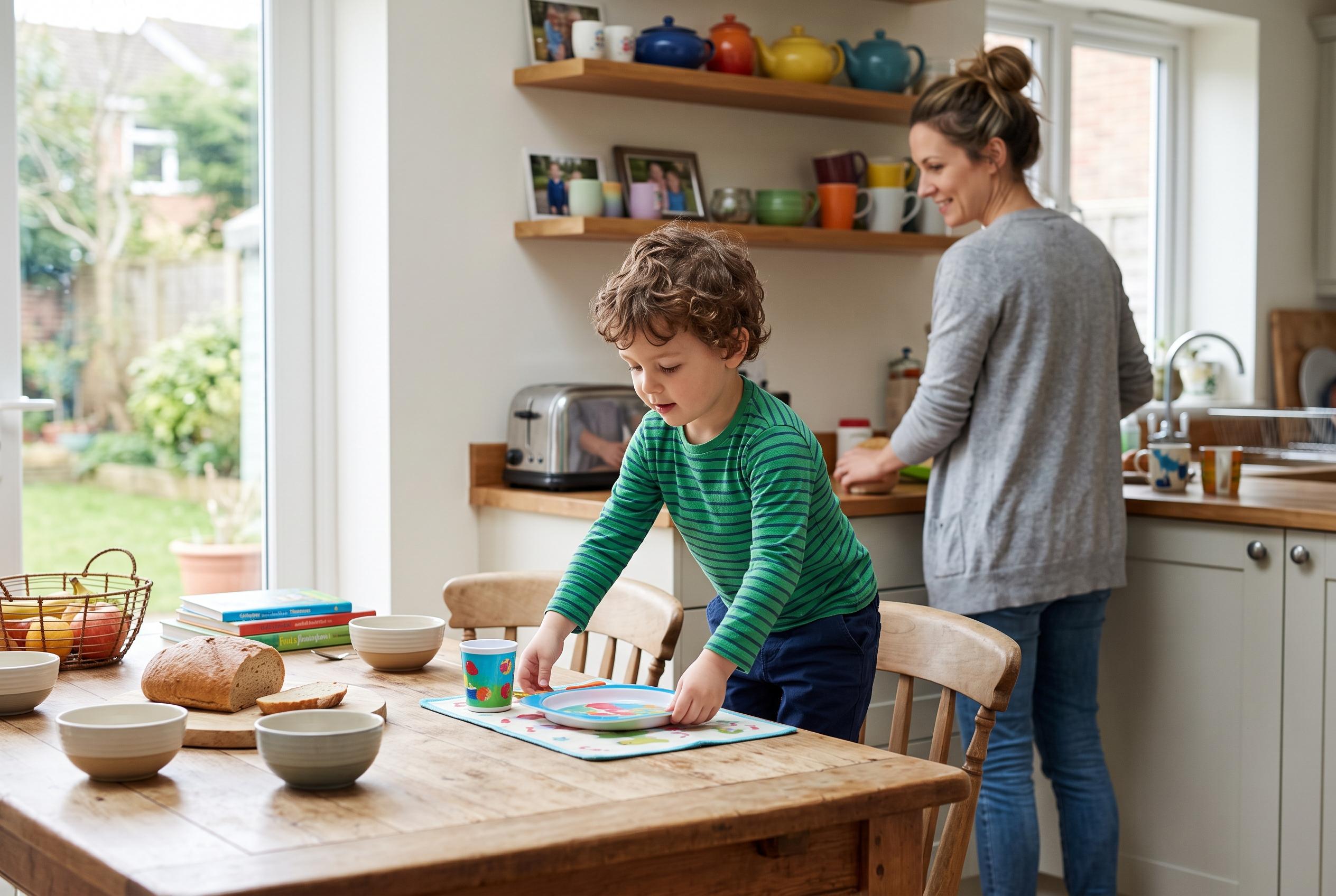

Simple household roles, routines, and modelling can nurture leadership qualities in preschool children, laying the foundation for confidence, empathy, and responsibility well before they recognise the word.
Young children are often asked to show leadership long before they would recognise the word. In the preschool years, that usually means learning to make small choices, follow through on simple tasks and recover when things do not go to plan. Montessori.org argues that these early habits, built in ordinary moments at home, can help children develop confidence, self-control and responsibility before self-doubt takes hold.
One practical approach is to give children small household roles that feel meaningful but manageable. PBS KIDS for Parents and Michigan State University Extension both point to age-appropriate chores such as tidying toys, helping with dishes, setting the table or feeding pets as ways to build dependability. Montessori.org makes the same case through routines such as a daily snack choice, a simple morning order and a weekly “family supplies checker” job, all of which let children practise decision-making within clear limits. The aim is not to create little managers, but to teach them that their actions matter.
The article also argues that leadership in young children is closely tied to communication and reflection. Short family check-ins, a feelings-to-needs script and simple scripts for making requests can help children learn to speak up without becoming controlling. That echoes advice from Little Dreamers Club, which says leadership at this age is less about being in charge than about building confidence, kindness and resilience through play, cooperation and repeated attempts. Mountain Lake PBS similarly frames strong leadership around compassion, respect, perseverance and courage.
Montessori.org also places emphasis on modelling. Children, it says, learn from seeing parents set goals, keep going through busy periods and follow through on commitments. That point overlaps with broader parenting advice that leadership grows best when adults create opportunities rather than pressure children into performance. For families with shy children or children who become frustrated easily, the article recommends quiet roles, low-stakes choices and praise that focuses on effort rather than intelligence.
The central message is simple: leadership does not begin with speeches or authority. For young children, it grows through responsibility, empathy, routine and the chance to try again. When adults trust children with small jobs and show them how to handle mistakes calmly, they give them something more durable than confidence alone: the habit of contributing.
Disclaimer: This content is for informational purposes only and is not intended to be a substitute for professional medical judgment, advice, diagnosis, or treatment.