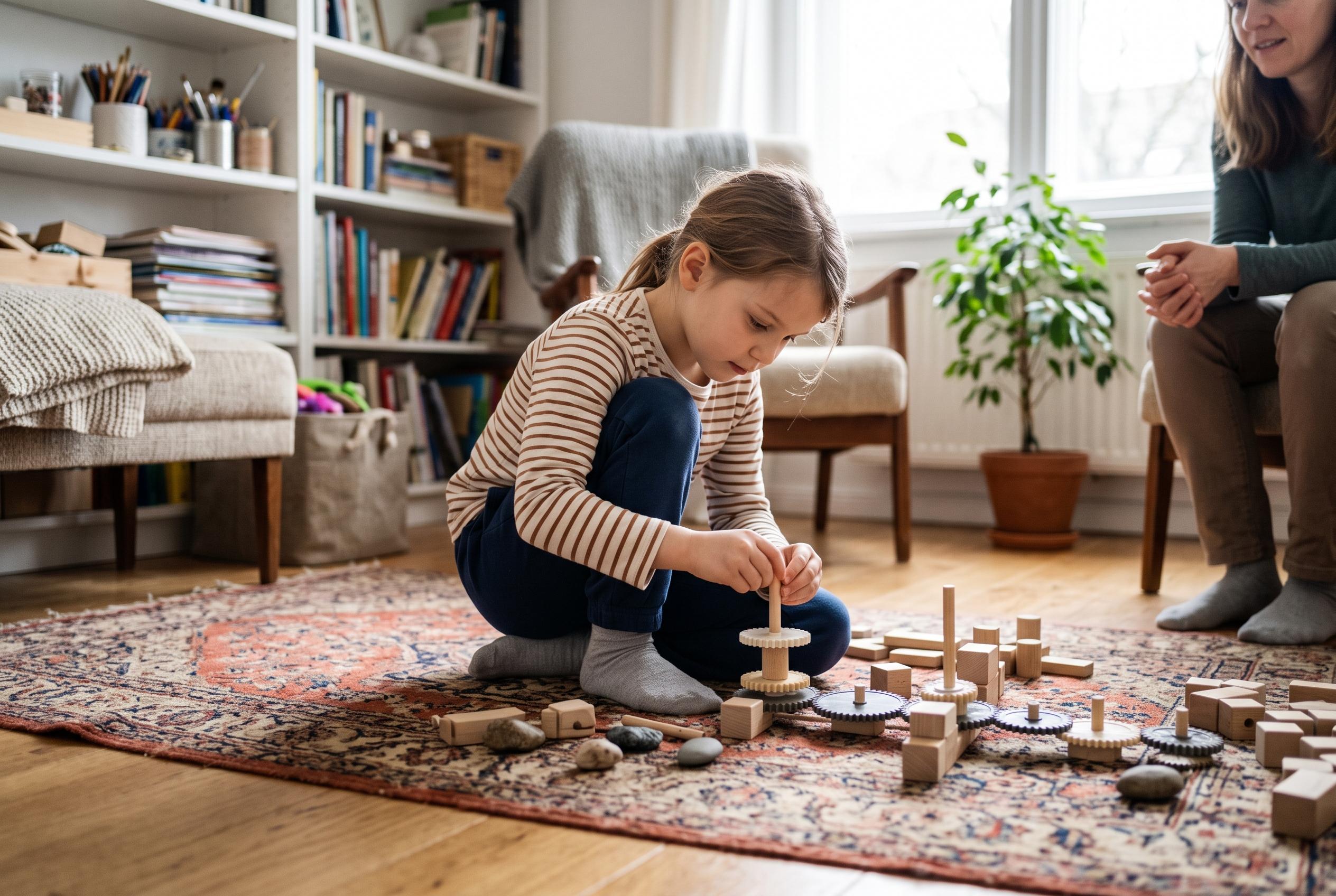

Quiet children with hidden talents or neurodevelopmental differences can be easily overlooked despite showing complex traits. Experts emphasise the importance of recognising subtle behavioural patterns rather than relying on overt classroom performance.
Children who are quietly capable can be easy to miss because their strengths rarely arrive in obvious ways. Instead of putting their hands up first or showing off every success, they tend to work things through privately, then move on as if nothing unusual has happened. The original article argues that this can lead adults to overlook abilities that are real but less visible than classroom enthusiasm or loud confidence.
That point is echoed by guidance from Kids IQ Test Centre, which says giftedness often shows up as a cluster of traits rather than a single dramatic sign. Rapid learning, advanced vocabulary, deep curiosity and sustained focus on favoured subjects can all be clues, but the article also notes that no one behaviour proves a child is gifted. It says some children learn unevenly, or appear to underachieve in settings that do not suit their style of thinking.
Several of the quieter indicators are also consistent with research on introverted gifted children. The article from Hoogbloeier says children who think deeply often need more time to process, prefer to observe before speaking and may not display their reasoning in the fast, visible ways schools tend to reward. That can mean a child seems average in class, yet asks unusually sharp questions at home, notices contradictions others miss or solves problems with surprising ease once they are working on their own.
The picture becomes more complex when hidden anxiety or neurodevelopmental differences are part of the story. Homesafe Education notes that quiet children can internalise distress, so their struggle may appear as perfectionism, stomachaches, reassurance-seeking or avoidance rather than disruptive behaviour. Grounded Roots Family Day Care adds that ADHD, autism, dyslexia and other learning differences can also be masked at school, with children holding it together in public and then becoming exhausted, frustrated or overwhelmed later. In practice, that means high ability, anxiety and difference can look similar at first glance.
The broader lesson is that silence should not be mistaken for emptiness. A child who learns privately, self-corrects without fanfare, dives into self-chosen topics or holds themselves to exacting standards may be revealing a great deal, just not in the most noticeable way. Parents and teachers are better served by looking for patterns across behaviour and settings rather than relying on performance alone.
Disclaimer: This content is for informational purposes only and is not intended to be a substitute for professional medical judgment, advice, diagnosis, or treatment.