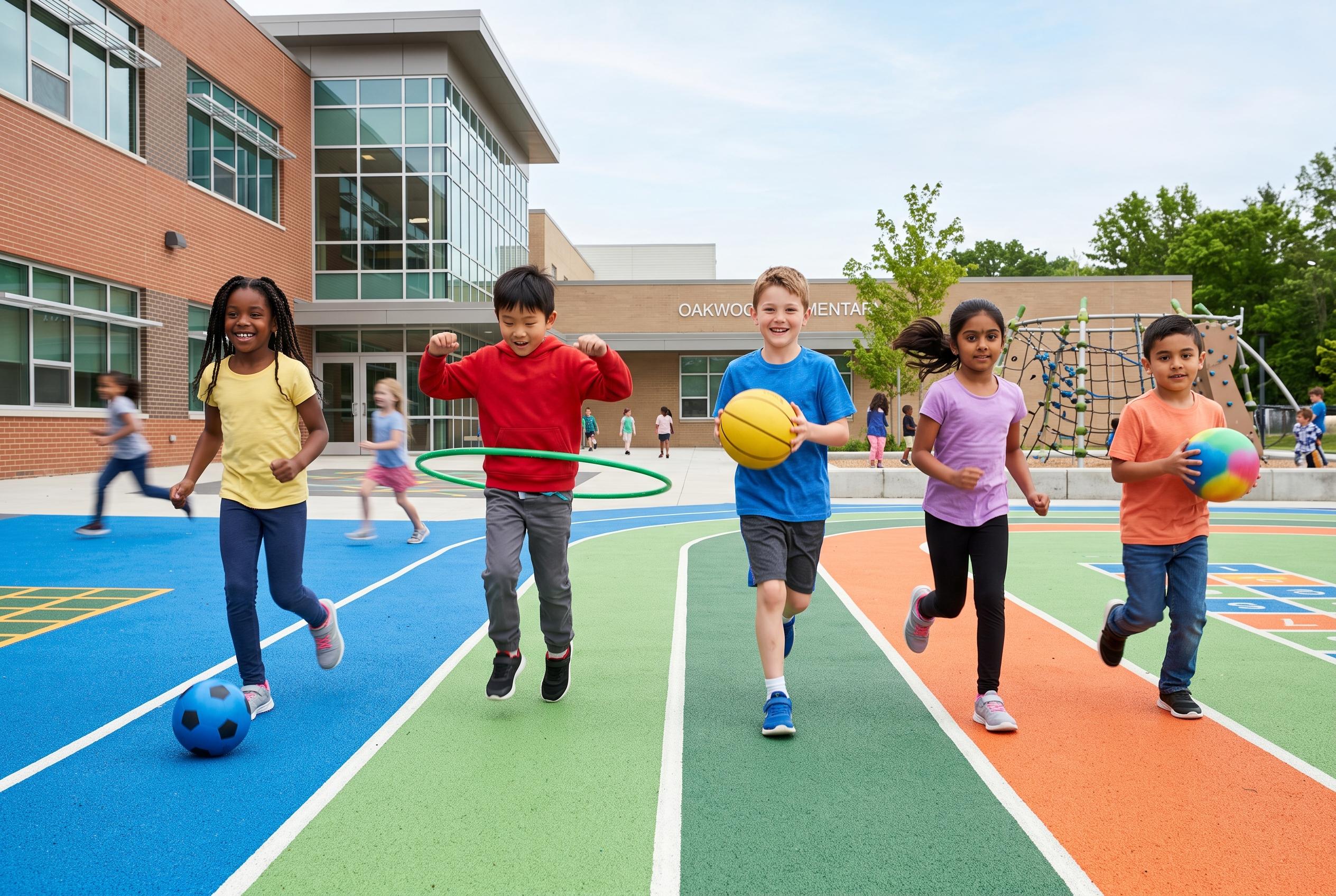

A growing consensus underscores the importance of embedding movement and physical literacy into school curricula to foster lifelong health habits, with evolving strategies recognised in Australia and the US aiming for a culture where activity transcends the sports field and becomes part of everyday life.
Schools have long been one of the most powerful places for shaping lifelong health habits, and that argument looks stronger, not weaker, two decades after it was first made. The core idea is simple: if children are to become active adults, schools must do more than offer the occasional sports lesson. They need to build movement, confidence, knowledge and opportunity into everyday life. Australia’s Sports Commission now describes physical literacy in much the same terms, as a mix of motivation, confidence, physical competence, understanding and knowledge that supports activity throughout life.
The case for that approach has only grown as concerns about inactivity, sedentary habits and childhood obesity have persisted. The U.S. Centers for Disease Control and Prevention says children and adolescents should get at least 60 minutes of physical activity a day and notes that schools are well placed to help by embedding physical education, extracurricular sport and activity across the school day. The CDC also links these efforts to better focus, academic performance and broader student well-being.
That is why a school strategy built around movement has to reach beyond the gym or the playing field. The CDC’s Comprehensive School Physical Activity Program model and the Australian Sports Commission’s school resources both stress a wider culture: activity before and after school, family and community engagement, and a curriculum that connects physical education with the rest of learning. In practice, that means schools treating movement as part of education, not an interruption to it.
The five-part plan outlined in the original argument still fits that thinking. Schools should create more chances for movement during the day, weave activity into classroom learning, link students with clubs and local facilities outside the school gate, work closely with families and community groups, and make sure teachers get the professional development they need to deliver effective programmes. The broader point is that what happens in physical education should connect to what children can actually do in their communities and in later life.
There is also a longer-running tension at the heart of the debate over physical literacy. The Australian Sports Commission frames it as a whole-person concept, but its rise has also reopened old questions about what school physical education is for and how much of it should be shaped by sport systems rather than classroom practice. Even so, the underlying message remains consistent: schools matter because they can help young people develop the competence, confidence and habits that support an active life well beyond the school gate.
Disclaimer: This content is for informational purposes only and is not intended to be a substitute for professional medical judgment, advice, diagnosis, or treatment.