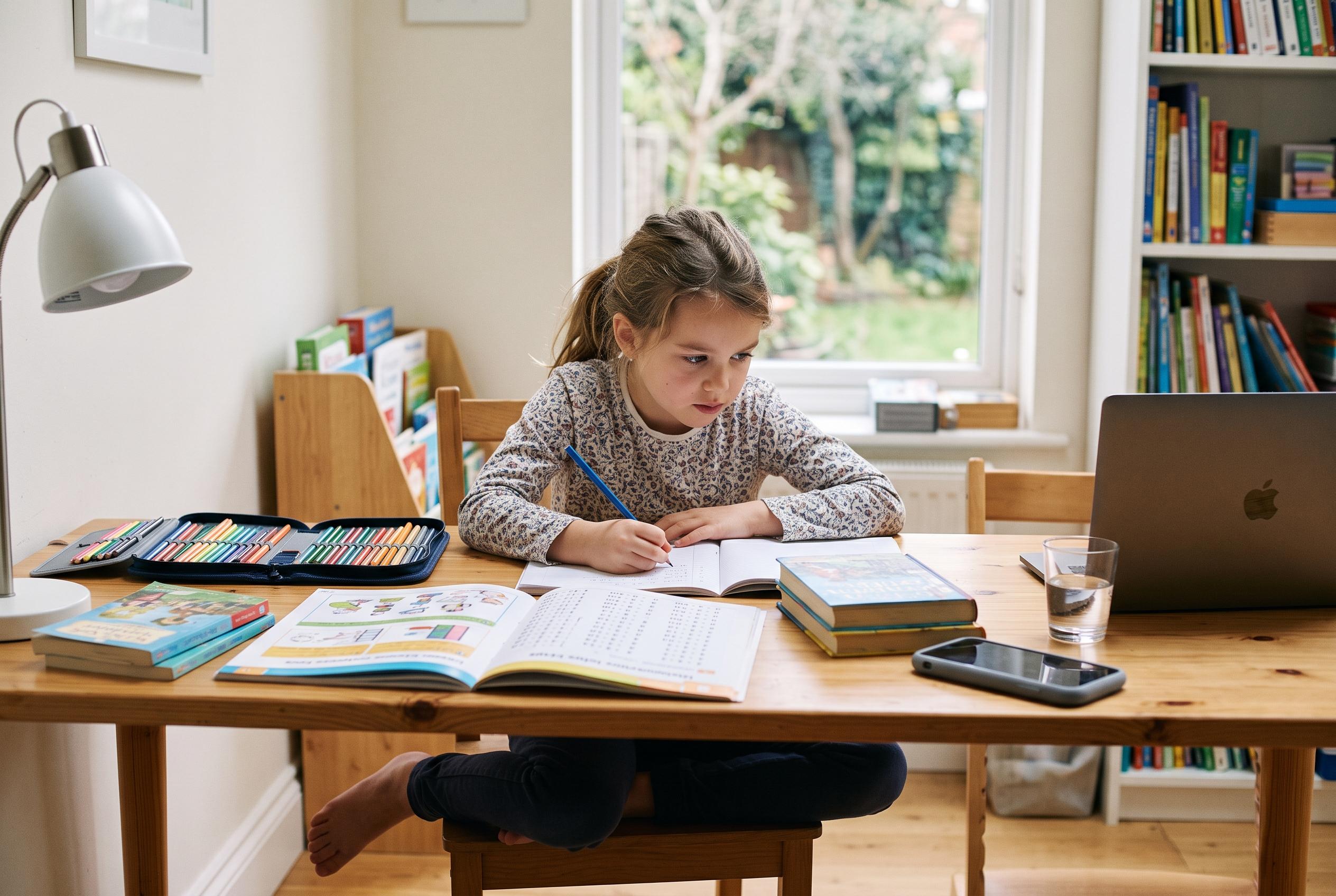

A new Italian study reveals that children who start using social media platforms like TikTok and Snapchat before their teenage years tend to experience slightly lower academic results later in schooling, highlighting concerns over the timing of social media exposure for youngsters.
A new study from researchers in Italy adds fresh evidence to a debate that has become increasingly urgent for parents, schools and policymakers: when should children be allowed onto social media? According to the paper in Nature Human Behaviour, the younger pupils were when they first joined platforms such as TikTok and Snapchat, the worse their academic results tended to be in later years.
The research team, led by sociologist Marco Gui of the University of Milan-Bicocca, tracked 5,227 students in northern Italy over eight years using standardised test results in Italian, maths and English. They also collected background information on family income, parents’ education and home life, because those factors can influence both the age at which children begin using social media and how well they do at school.
To separate social media’s effect from family background, the researchers grouped pupils by the school year in which they first opened an account. Children who started in sixth form showed the weakest results later on, while those who waited until ninth form served as the comparison group. After adjusting for social and educational differences between households, the study found that starting in sixth form was associated with roughly 0.2 standard deviations lower performance in maths and Italian by tenth form, which the authors said was equivalent to losing about half a school term of progress.
The pattern fits with other research suggesting that social networking can hurt learning, particularly when it encourages distraction, multitasking or disrupted sleep. A separate study in ScienceDirect found that social media use and multitasking were linked to poorer academic performance among university students, while a randomized trial of Grade 12 pupils reported lower performance and weaker teacher-rated engagement when social media use rose. A meta-analysis on Zenodo also pointed to an overall negative relationship between social media use and academic outcomes, and a PubMed review found that social networking addiction was associated with lower achievement among university students worldwide.
Still, the Italian study suggests the effect is not uniform across subjects. English scores did not decline in the same way, which the authors said may reflect incidental exposure to English-language content on social platforms. That does not mean social media is harmless, but it does indicate that its influence may vary depending on what students consume, how often they use it and whether it displaces sleep, exercise and focused study.
Disclaimer: This content is for informational purposes only and is not intended to be a substitute for professional medical judgment, advice, diagnosis, or treatment.