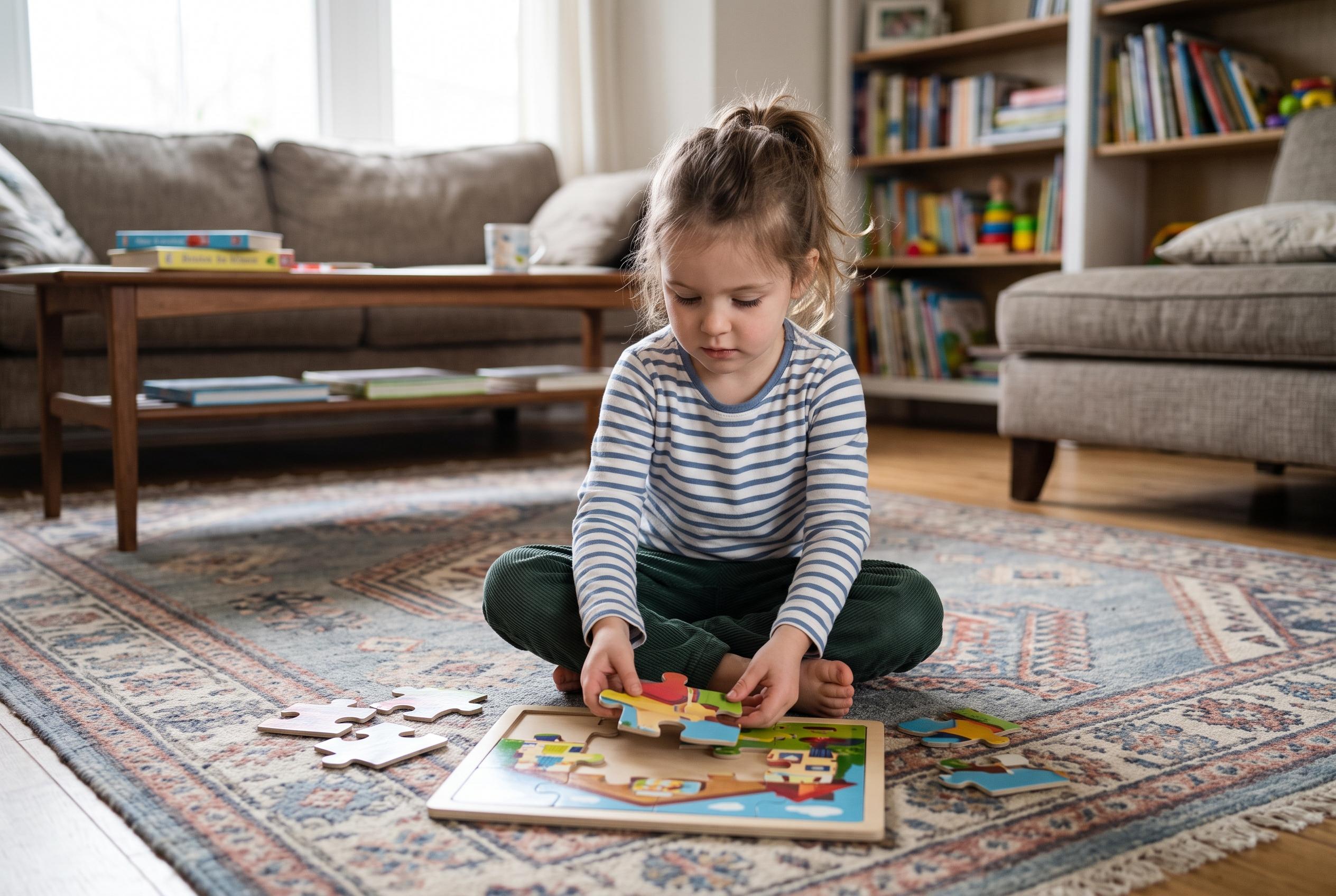

Experts emphasise the importance of allowing children to experience manageable frustrations, arguing that such challenges foster critical skills like self-regulation, independence, and emotional growth, vital for their long-term development.
Children learn a great deal from disappointment. Missing out on a game, failing on a first attempt or having to wait for something they want are not setbacks to be erased, but part of the process by which emotional resilience begins to form. The real risk is not frustration itself, but a childhood with too few chances to practise handling it.
María Paola Piñeiro says moderate frustration can be полезный? no, avoid non-English. Let’s do: can act as a useful spur to neuro-emotional development. “Pasar por enojos y problemas chicos, pero manejables, es bueno para el cerebro. Es como una vacuna”, she says. Her point is that tolerable difficulties give children repeated opportunities to learn self-regulation and to build responses instead of relying on immediate relief.
Piñeiro also places error at the centre of learning. “El error es el sustrato del aprendizaje”, she says. The concern, she suggests, is that if adults try to remove mistakes altogether, children may become more fearful of taking risks and less able to cope when things go wrong.
Noelia Arcaro makes a similar case, arguing that frustration helps children develop their own tools, independence and autonomy. That view fits with guidance from HealthyChildren.org, which says children often show stress through their behaviour when they are overwhelmed or lack the skills to manage strong emotions. Research on child development also links frustration with brain systems involved in cognitive control, emotional regulation and reward processing, while studies in younger children have found that the prefrontal cortex plays an important role in managing frustration and that high irritability can be associated with different patterns of activity in brain regions tied to emotion and reward.
Disclaimer: This content is for informational purposes only and is not intended to be a substitute for professional medical judgment, advice, diagnosis, or treatment.