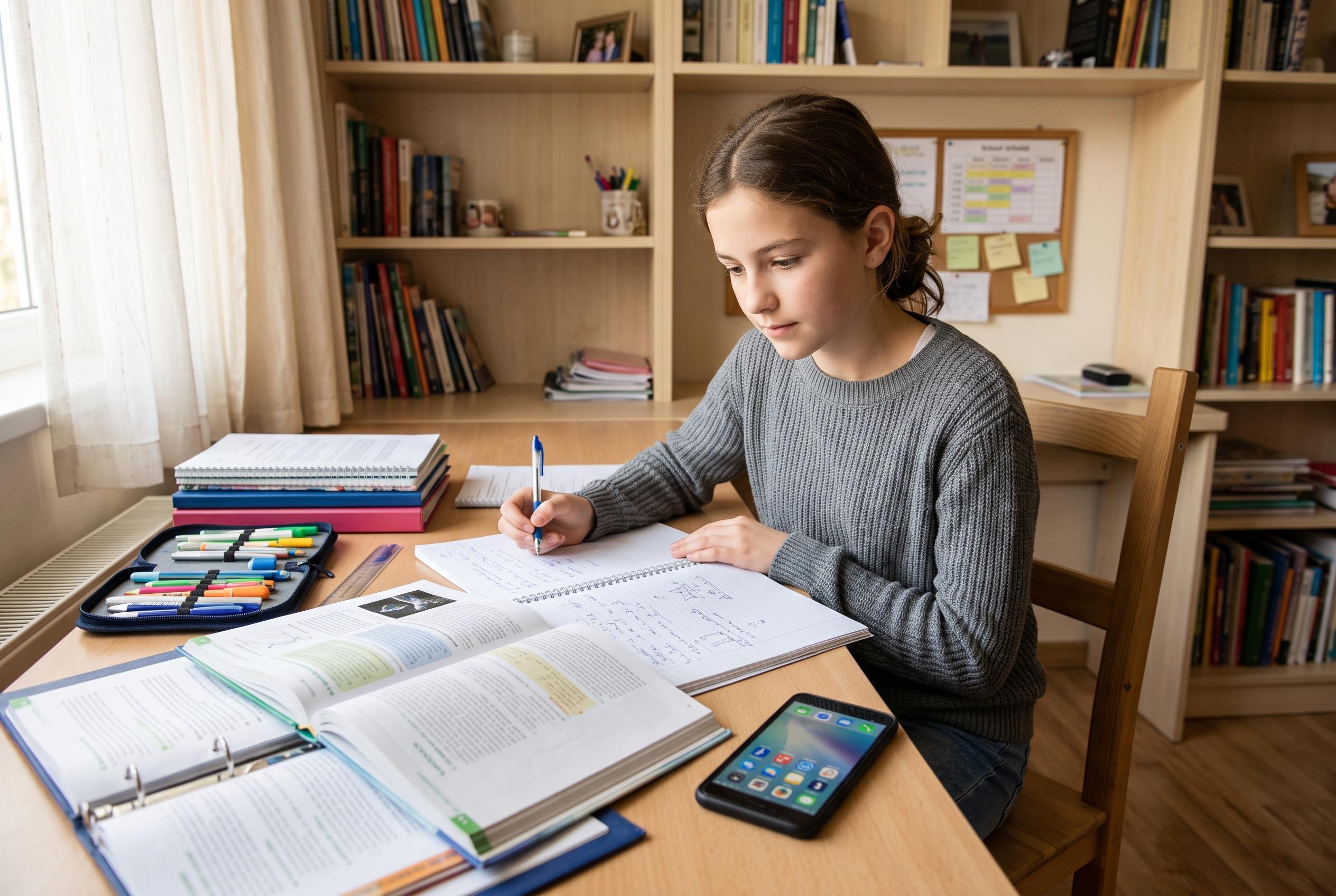

Research from Italy suggests that children who start using social media at age 11 or 12 risk falling behind their peers academically by age 16, prompting calls for policy reviews and healthier usage habits.
Researchers in Italy say students who begin using social media at 11 or 12 may fall behind classmates who wait until 14, with the difference amounting to about half a school year by age 16, according to reporting by The Guardian. The findings come from the EYES UP study presented by the University of Milano-Bicocca, which analysed questionnaire responses and standardised test results from 6,609 students in Lombardy, alongside work with the University of Brescia and other partners.
The study linked earlier smartphone and social media use with weaker performance in maths and reading, while English results were not affected, apparently because pupils are already exposed to the language online, The Guardian reported. Researchers controlled for family background and earlier academic performance, suggesting the pattern was not simply the result of pre-existing differences among pupils.
Marco Gui, the lead researcher, said the problem is tied to how social platforms are designed. He told The Guardian that the issue is “complex” and argued that, at least in pre-adolescence, social media can be harmful. Gui also pointed to the constant alertness created by mobile notifications, which he said may leave children less focused at home and less able to sustain attention on homework.
The findings land amid a broader political push to curb children’s access to social media. In Australia, a world-first ban for users under 16 took effect in December 2025, and the country’s online safety regulator is now examining whether major platforms including Facebook, Instagram, Snapchat, TikTok and YouTube are complying, according to ABC News. Communications Minister Anika Wells has warned the companies could face penalties if they fail to meet Australian law. Other countries, including the UK, are weighing similar measures.
Dennis Ougrin, a psychiatry professor at Queen Mary University of London, urged caution against relying only on bans. Speaking to The Guardian, he said parents, teachers and policymakers should focus on helping young people build healthier habits around social media use rather than assuming prohibition is the only answer.
Disclaimer: This content is for informational purposes only and is not intended to be a substitute for professional medical judgment, advice, diagnosis, or treatment.