
As the new school term begins, experts emphasise the importance of fostering confidence and independence in children through supportive yet non-intrusive parenting strategies, highlighting routines, trust, and room for play to help children thrive academically and emotionally.
As the new school term begins, many parents want to help their children get off to a strong start. But the advice from educator and parenting coach Kirsten Kau is clear: support matters, yet stepping back matters too. In her guidance for FOCUS, Kau argues that children build confidence when adults encourage them every day, trust them to cope and resist the urge to manage every detail of school life. That approach aligns with wider parenting advice from UNICEF and children’s health specialists, which stresses guidance over control and the value of helping children feel safe, capable and loved.
Kau says simple reassurance can make a real difference, especially when school feels difficult. Children who hear that their parents believe in them are more likely to begin believing in themselves, she argues. She also places great emphasis on allowing mistakes, saying that everyday setbacks are part of learning rather than signs of failure. Children’s Hospital Dallas, PBS Parents and other child development specialists make a similar point: independence grows when children are allowed to try, err and try again, rather than having problems solved for them.
That logic extends to homework and other school tasks. Kau says schoolwork is primarily the child’s responsibility and that parents should avoid taking over. Instead, adults can help by creating the conditions for success: enough sleep, good food, regular movement and breaks from screens and pressure. Research and parenting guidance from UNICEF and other family education organisations also point to the value of routines, clear expectations and age-appropriate responsibilities, such as tidying a workspace or managing simple tasks independently.
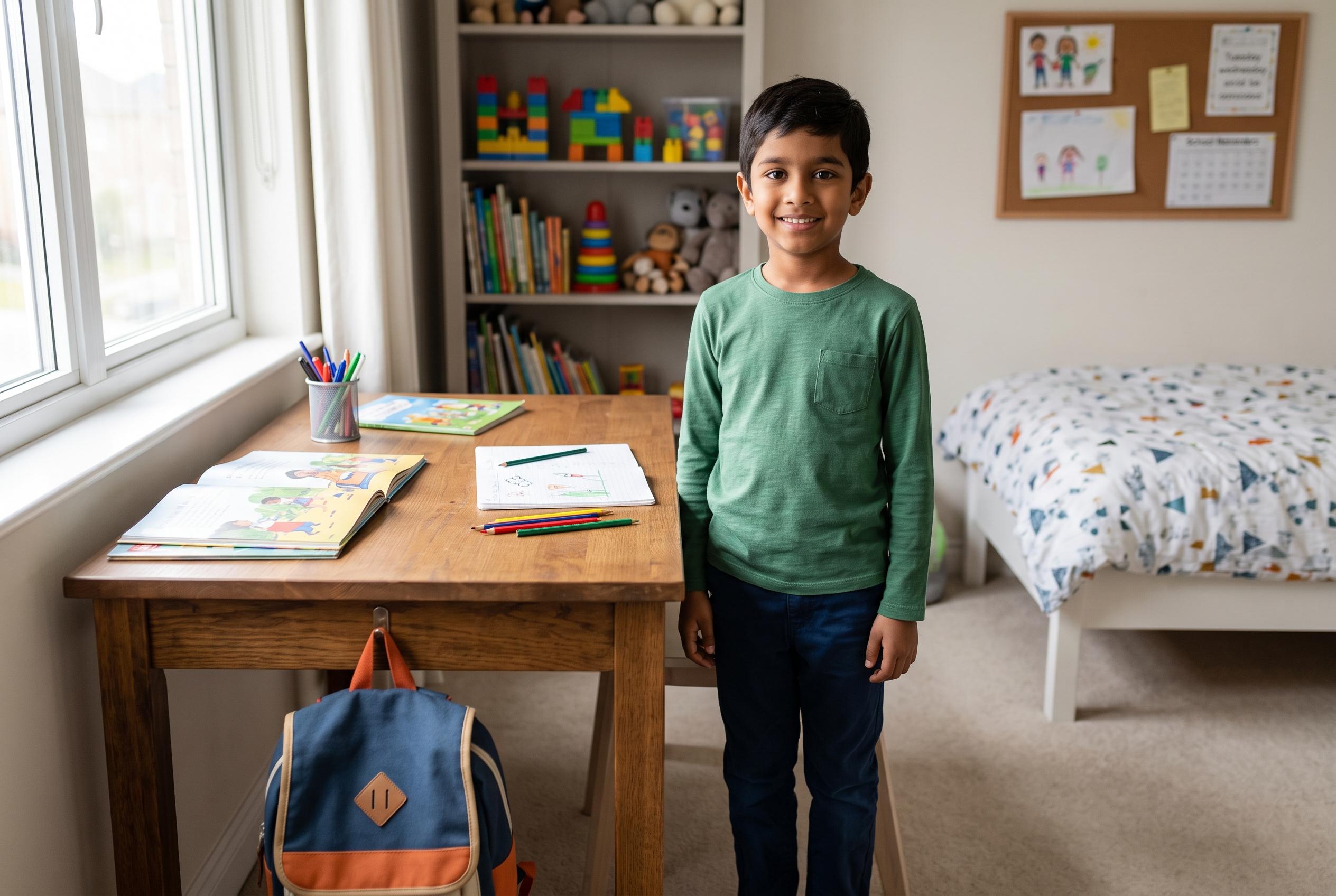
She also argues that a calm, well-ordered home can support learning without turning family life into an extension of the classroom. A dedicated place for homework and set study times can provide structure, but Kau says children still need room for play, hobbies and downtime. That broader view of development is echoed in advice from PBS Parents, which notes that children also learn through sport, reading, music and unstructured time with friends.
Perhaps most importantly, Kau warns against treating school difficulties as proof that something has gone wrong at home. Children are individuals, she says, and setbacks do not automatically point to poor parenting. Her recommendation is to focus on what the child needs now, keep communication open with teachers and remember that perfection is not the goal. A lighter touch, she suggests, can be just as powerful as close supervision: encouragement, patience and a sense of humour can help children face school with more confidence and less fear.
Disclaimer: This content is for informational purposes only and is not intended to be a substitute for professional medical judgment, advice, diagnosis, or treatment.