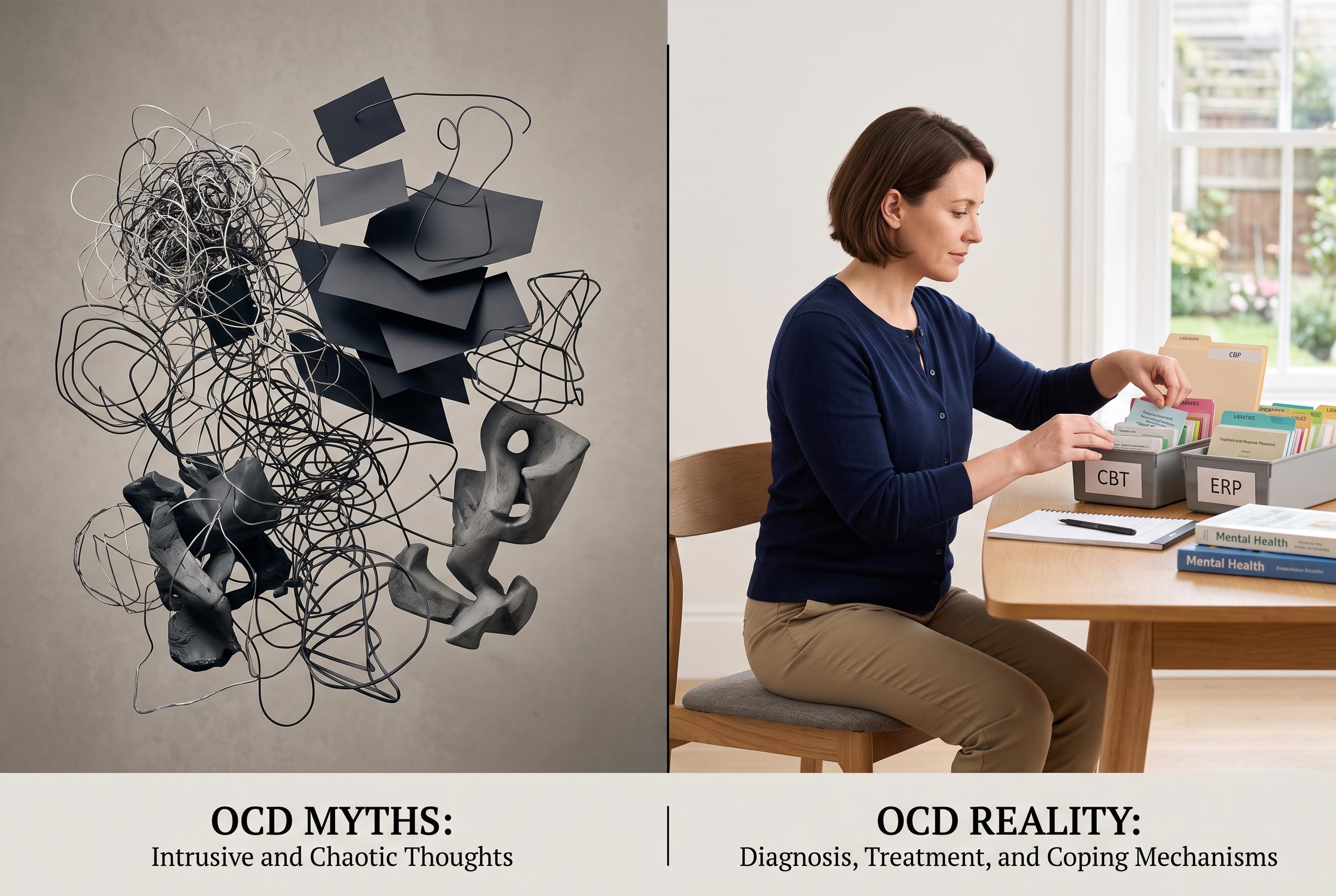

Experts emphasise the importance of accurate diagnosis as societal misuse of the term OCD risks minimising a serious condition characterised by intrusive thoughts and compulsive behaviours, which merit proper treatment.
The casual use of “OCD” as a synonym for tidiness or high standards has long obscured what obsessive-compulsive disorder actually is. Clinicians say they still hear people describe themselves as “a little OCD” because they like order, but that habit can flatten a serious mental illness into a personality quirk. KevinMD contributor Nebyou Belay argues that the gap between slang and diagnosis matters because OCD is marked not by neatness but by intrusive thoughts that cause anxiety, disgust or dread, followed by rituals performed to blunt that distress.
Psychology Today and Mayo Clinic Health System both note that the disorder is often misunderstood as simple fussiness. In reality, the condition can involve relentless checking, repeating, counting or mental reviewing that may consume hours each day. Benenden Health says OCD affects about 1% to 2% of people and often begins in early adulthood, while Jefferson Health stresses that the disorder is defined by unwanted obsessions and compulsions that interfere with daily life. The outward behaviour may look ordinary at first glance, but the internal experience is very different: a preference becomes a compulsion only when fear and doubt make the person feel unable to stop.
Belay gives the example of checking a lock or a stove. Most people may glance twice and move on. Someone with OCD may check, walk away, then return repeatedly, never gaining real reassurance. The ritual may briefly ease anxiety, but it also strengthens the cycle, teaching the brain to demand another check. Allure and the Family Institute also point out that OCD is not limited to cleanliness or symmetry. It can involve violent, sexual or deeply distressing intrusive thoughts that feel alien to the sufferer, which is one reason many people conceal symptoms rather than mention them casually.
The article also draws a useful distinction between OCD and repetitive behaviour seen in autism spectrum disorder and other neurodevelopmental conditions. In those cases, routines may provide comfort, predictability or regulation rather than relieve a feared outcome. That distinction matters for treatment as well as language. When the term OCD is used loosely, people may mislabel their own habits, clinicians may miss the real source of distress and the severity of genuine OCD can be minimised. As Mayo Clinic Health System and Jefferson Health both argue, precision is not pedantry here; it is how a serious disorder is recognised and treated.
Disclaimer: This content is for informational purposes only and is not intended to be a substitute for professional medical judgment, advice, diagnosis, or treatment.