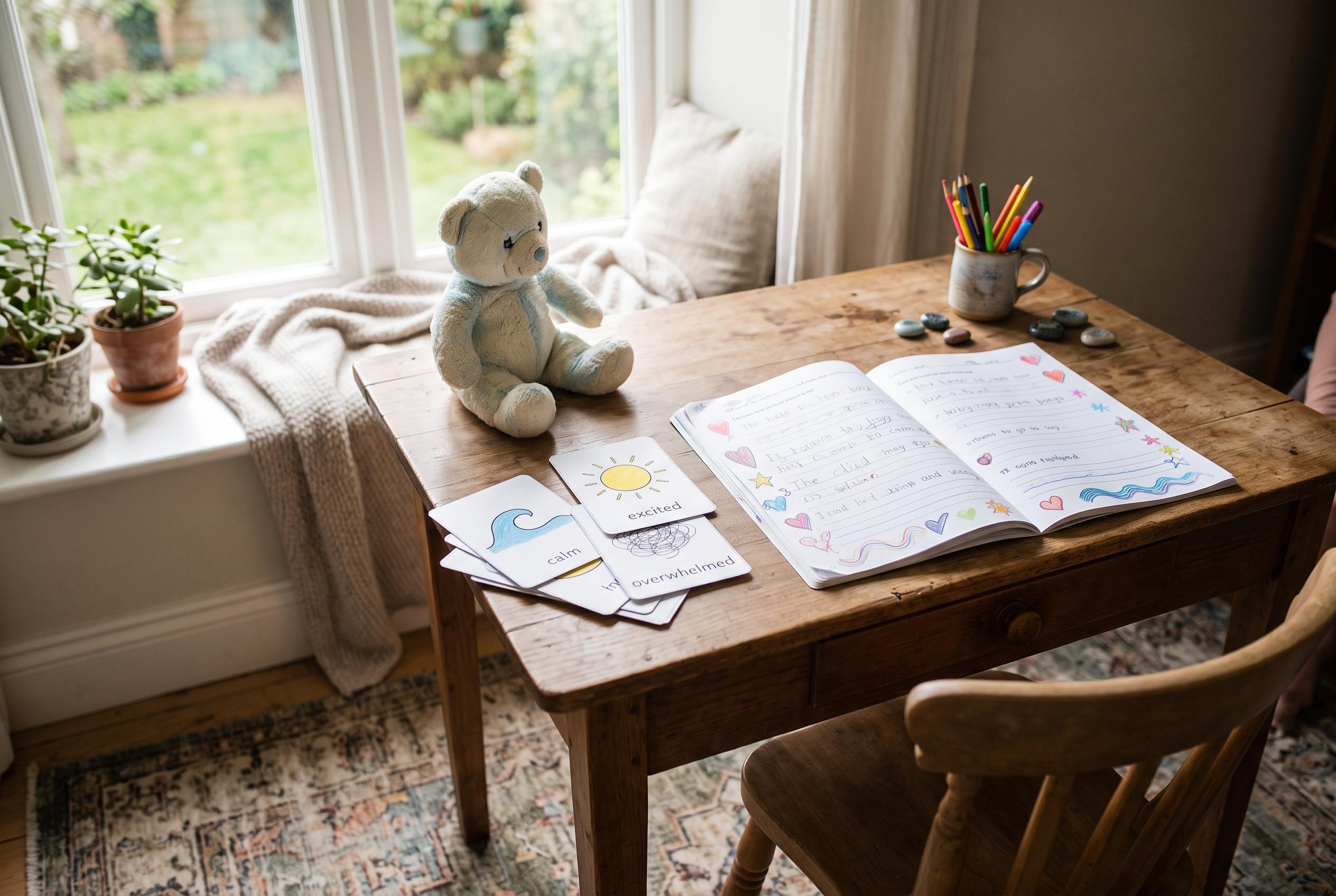

Psychology Today highlights the importance of recognising the unique emotional and intellectual needs of gifted children and adults, emphasising acceptance and tailored support over suppression of their heightened sensitivities.
Gifted children, teenagers and adults often live with a level of mental and emotional intensity that can puzzle the people around them. Psychology Today argues that the most useful response is not confrontation but recognition: curiosity, urgency and a strong need for stimulation are often part of how highly gifted people make sense of the world. For parents, teachers and relatives, that means answering the questions rather than dismissing them, even when the questions are relentless or uncomfortable.
The article suggests that a 5-year-old who wants to understand how a spacecraft returns to Earth is not trying to be difficult. The child is seeking a serious explanation and expects one. Similar questions about suffering, money or family stress can be equally exacting, and the adults listening may need time, patience and a willingness to go beyond simple reassurance. According to the piece, gifted children are often highly imaginative problem-solvers whose questions reflect genuine concern rather than misbehaviour.
That intensity does not disappear with age. Other material on gifted adults notes that they often need multiple forms of stimulation and a safe setting in which to express themselves, and that unmet intellectual and emotional needs can contribute to stress, anxiety, depression and burnout. A separate Psychology Today article on career challenges faced by gifted adults describes boredom, loneliness and difficulty committing to a single path as recurring problems, while also noting that some gifted people are viewed as threatening to authority because of their speed, questioning or independence.
The practical advice is straightforward: learn more about giftedness, seek guidance from professionals who understand it and respond with calm interest rather than alarm. The aim is not to indulge every demand but to give enough support for gifted children and adults to develop without shame or isolation. As the article argues, the biggest mistake is to treat unusual intensity as a problem to be silenced rather than a trait to be understood. In the long run, acceptance matters as much as encouragement.
Disclaimer: This content is for informational purposes only and is not intended to be a substitute for professional medical judgment, advice, diagnosis, or treatment.