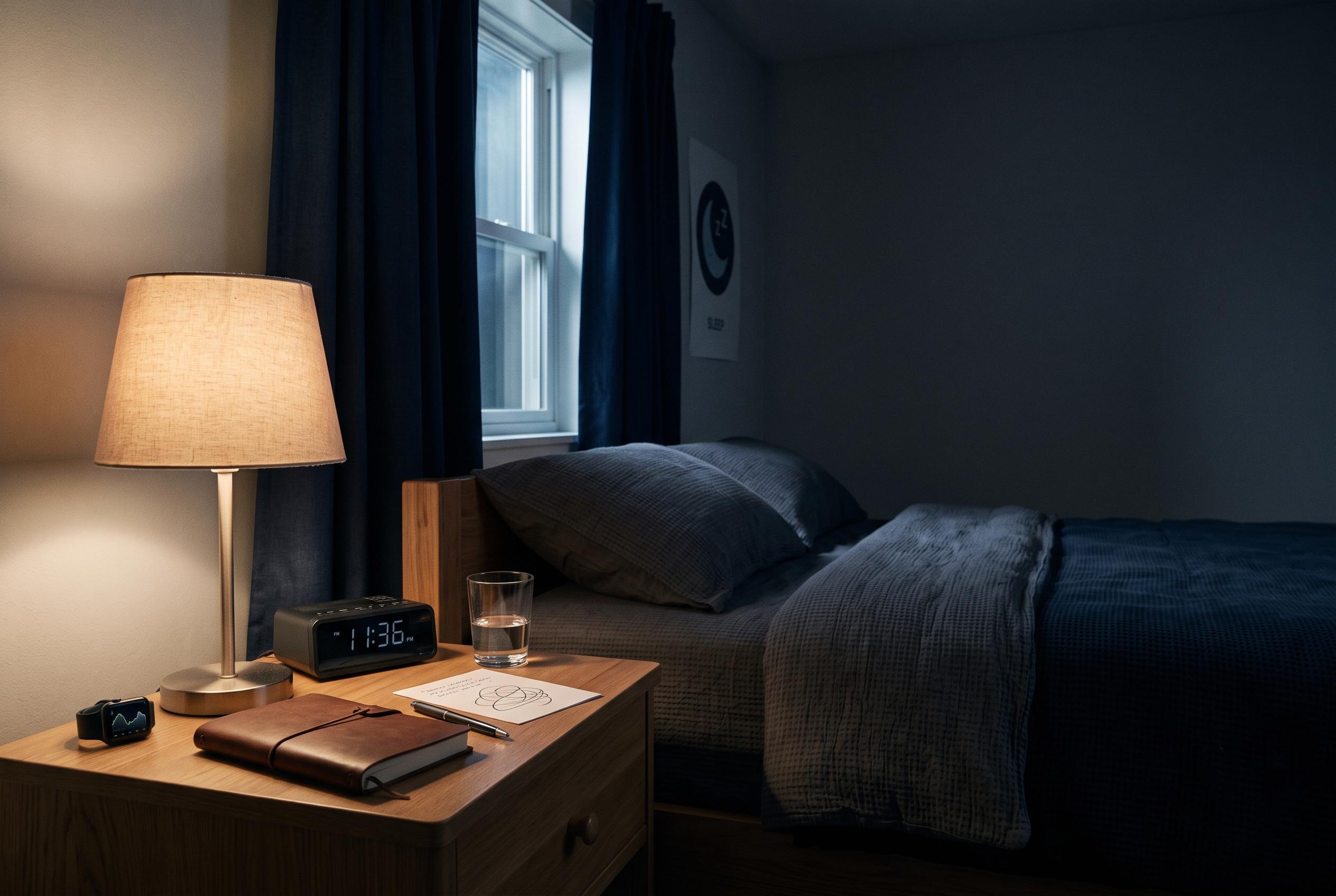

Experts explain that decreased daytime distractions, biological rhythms, and behavioural factors contribute to worsening anxiety at night, but practical strategies and professional help can break the cycle.
Night-time can make anxiety feel louder, but experts say the pattern is common and has clear explanations. According to a therapist quoted by Entekhab and the related reporting from Healthline, Sleep Foundation, Medical News Today, Psych Central and the University of Cincinnati, the quiet of evening removes many of the distractions that keep worry in check during the day, allowing intrusive thoughts and rumination to take over.
During daylight hours, work, conversation, errands and other demands give the brain a steady stream of outside input. Once those distractions fade, the mind has more room to revisit unfinished tasks, replay difficult exchanges and imagine worst-case outcomes. Healthline and Psych Central both note that this lack of stimulation can make anxious thoughts feel more persistent, while Medical News Today points out that worry often shifts from the day ahead to fears about sleep itself.
Biology also plays a part. The therapist told Entekhab that cortisol, the hormone involved in stress responses, naturally dips in the evening. That drop may leave some people feeling less able to regulate anxious feelings. Healthline similarly says circadian rhythms and the growing pressure to sleep can affect concentration and emotional control, while Sleep Foundation notes that stimulants such as caffeine and nicotine can worsen symptoms at night.
The result can become a cycle: anxiety makes sleep harder, and poor sleep makes anxiety worse the next day. University of Cincinnati psychiatrist Jeffrey Strawn has described bedtime as a setting that leaves the brain with fewer competing demands and more scope for runaway worry. Sleep Foundation and Medical News Today both say that insomnia, fear of not sleeping and concern about the following day can feed that loop.
Experts recommend a calm, repeatable wind-down routine, limiting screens and stressful conversations before bed, and using relaxation techniques such as breathing exercises or mindfulness. If sleeplessness and panic happen often, Medical News Today and the University of Cincinnati both advise seeking professional help, since nighttime anxiety is treatable.
Disclaimer: This content is for informational purposes only and is not intended to be a substitute for professional medical judgment, advice, diagnosis, or treatment.