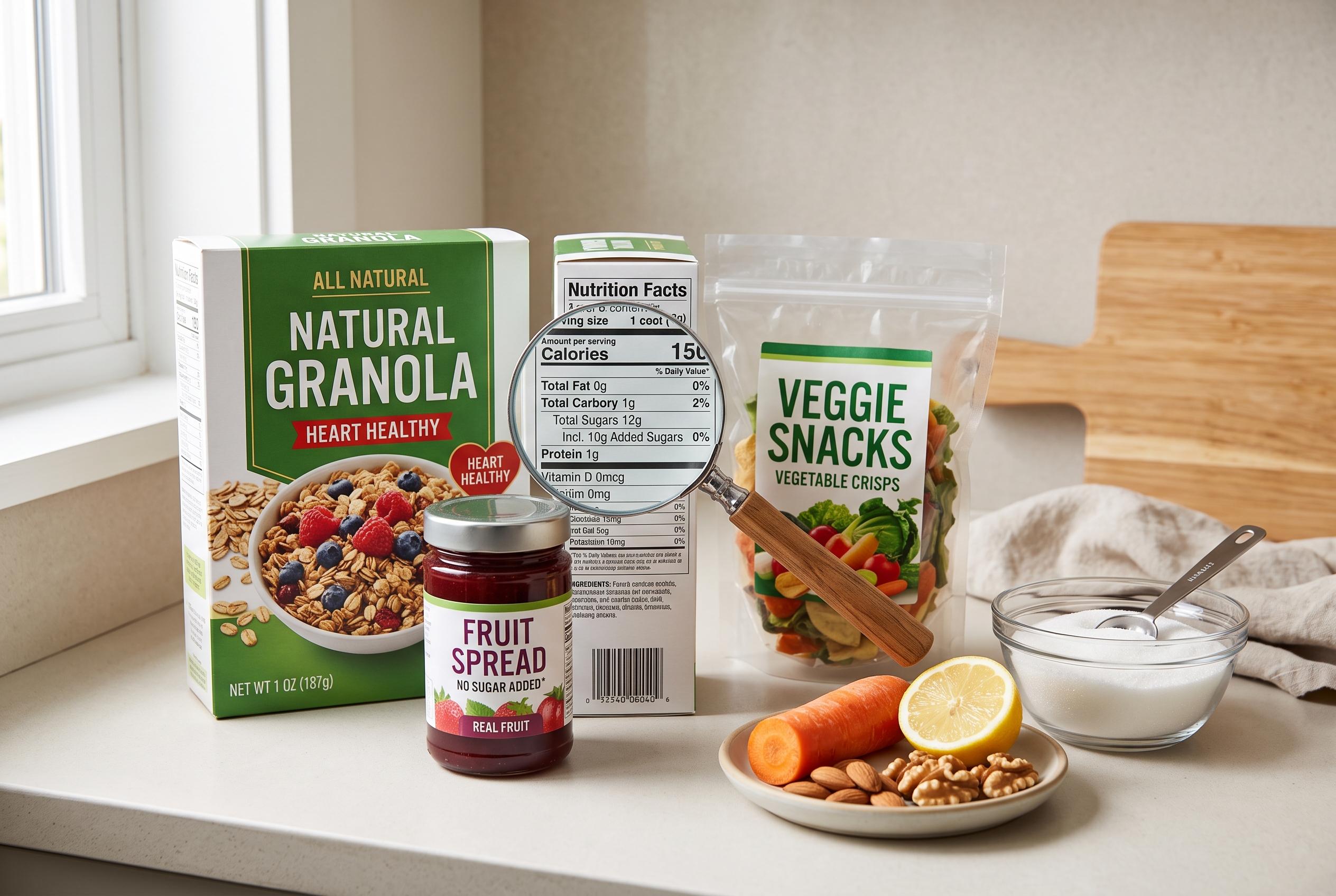

Medical professionals caution that foods marketed as healthy may conceal added sugars, processing, and nutrients imbalances, challenging the perceived benefits of seemingly wholesome choices.
Doctors have warned that some foods marketed as healthy can be less helpful than they look, particularly for people struggling with digestive problems or weight control. The common issue is not that these foods are always harmful, but that their labels and reputation can obscure added sugar, heavy processing or poor nutrient balance.
Low-fat yoghurt is a case in point. Healthline says yoghurt can be a useful part of a balanced diet, but plain or unsweetened versions are the better choice because many flavoured low-fat products contain added sugar. The concern is that removing fat can also strip away some fat-soluble vitamins, while manufacturers often compensate with starch or sugar to improve texture and taste.
Fruit juice has a similar image problem. Even 100% juice can deliver a concentrated dose of sugar without the fibre found in whole fruit, which means blood sugar may rise quickly. As Medical News Today and WebMD note in broader guidance on yoghurt and other everyday foods, the best approach is to prefer minimally processed options and keep an eye on hidden sugars.
Agave syrup is another ingredient often sold as a healthier sweetener, but its appeal rests more on marketing than on nutrition. Because it is high in fructose, excessive use may contribute to metabolic problems, including abdominal fat and fatty liver. Cleveland Clinic has also cautioned that consumers should be wary of sweeteners used in processed foods, including sugar alcohols, which can bring their own digestive and metabolic concerns.
Ready-made salad dressings can undo the advantage of eating vegetables in the first place. Many contain sugar, preservatives and flavourings, turning a light meal into a calorie-heavy one. A better option is a simple homemade dressing made with olive oil, vinegar, lemon juice and herbs.
Baked muesli and similar breakfast cereals also deserve scrutiny. Although they are often presented as wholesome, many versions are heavily sweetened and include added oils, which lowers their nutritional value and can cause blood sugar swings. For people wanting a more reliable choice, the advice from the sources is consistent: check labels carefully, choose foods with little processing and rely more on whole fruit, vegetables, grains and home-cooked meals.
Disclaimer: This content is for informational purposes only and is not intended to be a substitute for professional medical judgment, advice, diagnosis, or treatment.