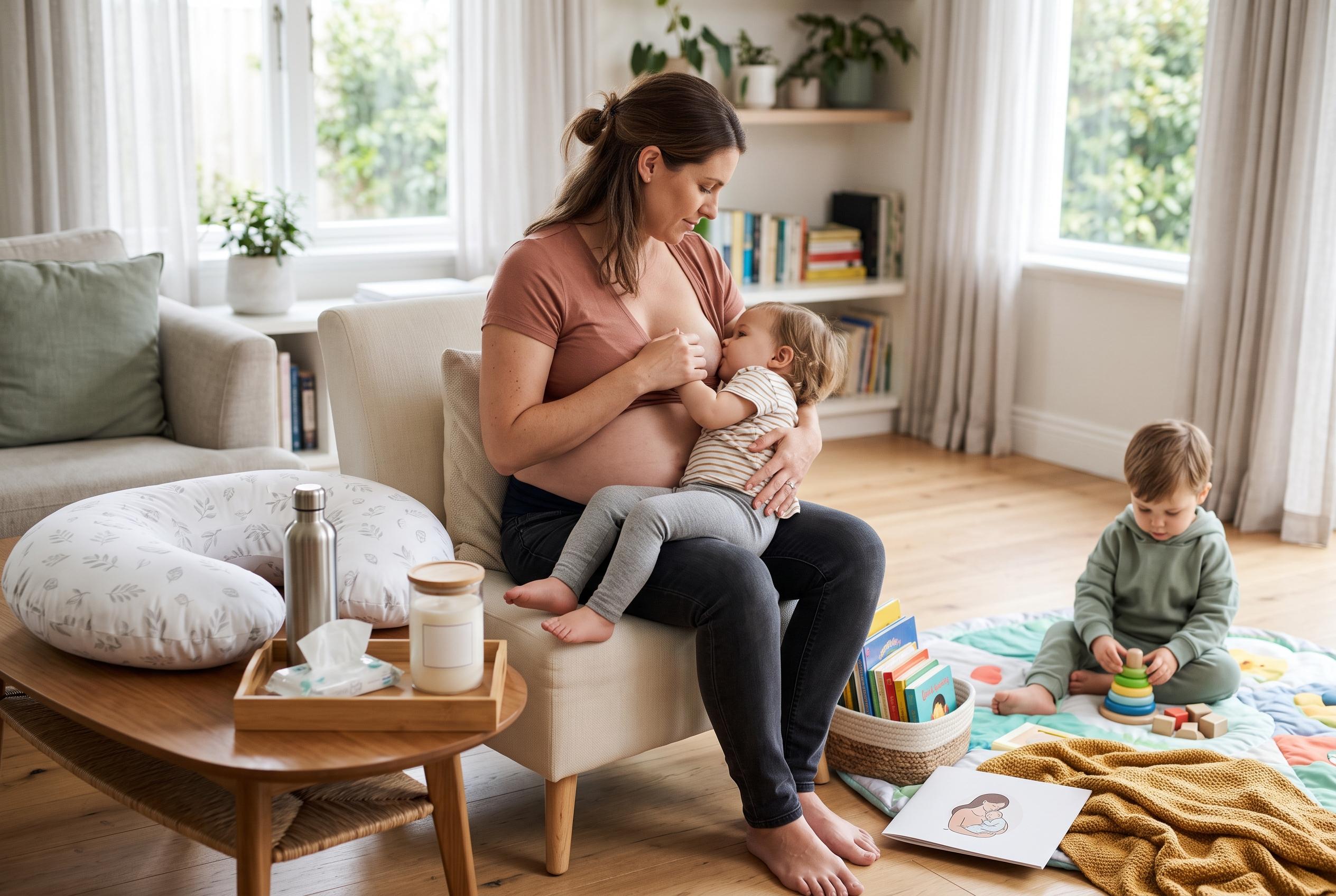

Dr Naomi Esthernita clarifies that tandem nursing is safe and nutritious during pregnancy, warning against unsafe milk donations and emphasising support for mothers navigating breastfeeding myths.
Misinformation about breastfeeding continues to cloud decisions for new mothers, but Dr Naomi Esthernita, head of the Indonesian Paediatric Society’s breastfeeding task force, says a woman who becomes pregnant again does not automatically have to stop nursing her first child. Speaking at World Breastfeeding Week 2026 at RSUI Depok on Saturday, Esthernita said tandem nursing is possible when the mother is physically able, and that pregnancy does not by itself make breast milk less nourishing.
Her comments are consistent with guidance from the US Centers for Disease Control and Prevention and the American College of Obstetricians and Gynecologists, both of which say breast milk provides ideal nutrition for infants and supports growth, development and protection against illness. Those organisations also note health benefits for mothers, including support for recovery after childbirth and a lower risk of some cancers and chronic conditions.
Esthernita stressed, however, that pregnancy must come first when a woman is deciding whether to continue breastfeeding. She said the arrangement is acceptable “kalau kuat”, or if the mother can manage it, but added that the wellbeing of the unborn baby has to remain the priority. In practice, that means the decision depends on the mother’s condition, the progress of the pregnancy and the child’s needs.
She also warned against informal breast milk donation, saying it should not be arranged freely through the internet. According to her, donor milk needs to be hospital-based, screened for infections including hepatitis and HIV, and pasteurised before it is given to a baby. Indonesia does not yet have an official national breast milk bank, although some hospitals have begun setting up donor milk units for their own patients. Esthernita said persistent myths and misunderstandings can leave mothers anxious, which is why support from partners, grandparents, families, health workers and employers matters.
Disclaimer: This content is for informational purposes only and is not intended to be a substitute for professional medical judgment, advice, diagnosis, or treatment.