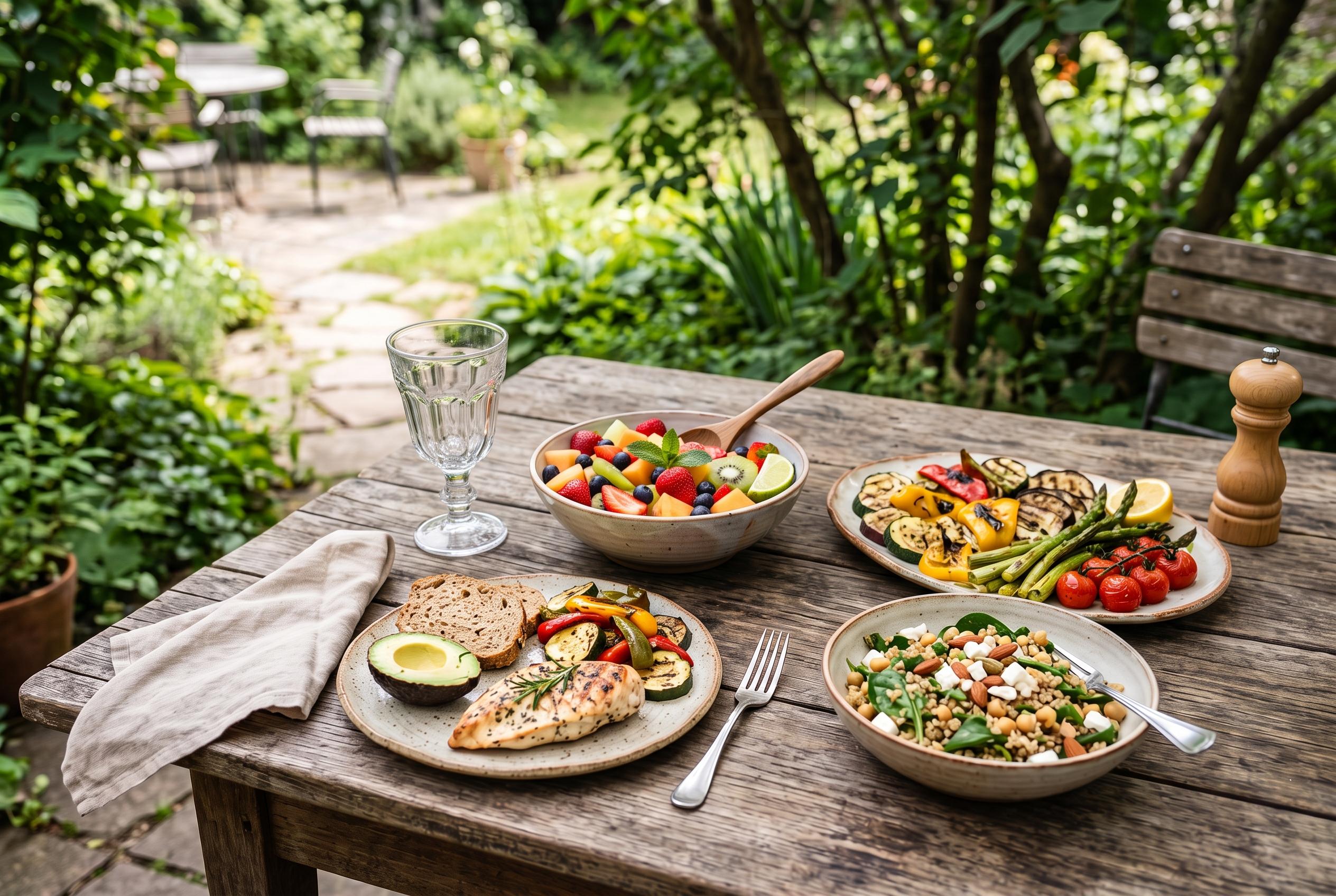

Nutrition experts emphasise the importance of simple, trusted food options during summer when routines loosen, highlighting the value of prepared, balanced “comfy foods” that support sustainable and enjoyable healthy eating without guilt.
In summer, when routines loosen and kitchens heat up, nutrition experts say the answer is not to chase perfection but to keep a small set of reliable, healthy fallbacks. The idea, increasingly framed as “comfy food” in nutrition circles, is that an easy meal can be good enough without becoming a source of guilt. Carmen Morais Moreno, a nutrition lecturer at CEU San Pablo University, argues that obsessing over an immaculate diet can lead to control, restriction and frustration, while health is better judged over consistent habits than a single meal or day.
That view is echoed by psiconutritionist Itziar Digón, who says people are less likely to make careful choices when they are tired, rushed or on autopilot. In those moments, a pre-planned alternative can stop impulse from taking over. Harvard Health has made a similar case for preparing ahead, suggesting batch cooking and nutrient-dense foods as practical ways to eat well when time is tight. Healthline and other recipe-focused guides also show that simple, balanced meals do not need to be elaborate to work.
Moreno says the most useful staples are the ones that remove friction: eggs for a quick omelette with vegetables, quality tinned fish such as tuna or sardines, cooked pulses, ready-prepped vegetables and even cut fruit such as melon or watermelon. Cleveland Clinic’s summer eating advice points in the same direction, encouraging lighter dishes built around fruit and vegetables, while also suggesting healthy contributions to outdoor gatherings rather than leaving food choices entirely to chance. The point, experts say, is not to build a perfect menu but to keep sensible options within reach.
That approach matters most in summer, when travel, terrace meals and irregular schedules can make rigid eating plans unrealistic. A practical “plan B” helps people avoid the all-or-nothing trap and eat in a way that feels sustainable, relaxed and still nourishing. In that sense, the healthiest meal may simply be the one that is easy to assemble, easy to repeat and good enough to let the season remain enjoyable.
Disclaimer: This content is for informational purposes only and is not intended to be a substitute for professional medical judgment, advice, diagnosis, or treatment.