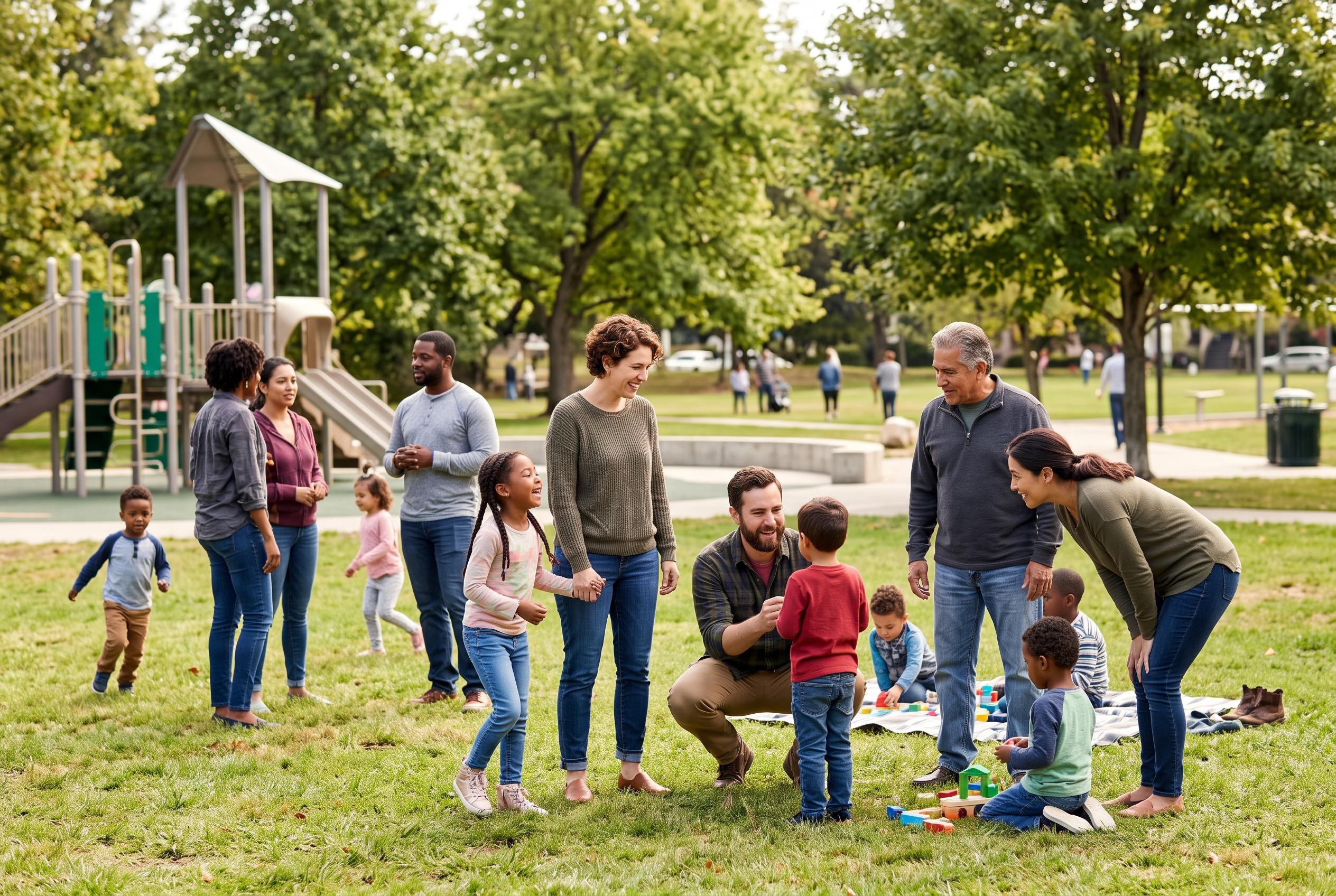

Decades of research from the Kauai Longitudinal Study reveal that resilience in adults often hinges less on innate toughness and more on the presence of dependable relationships and community support, challenging traditional views on grit and discipline.
Resilience is often described as a private virtue, something people earn through grit, discipline or sheer force of will. But the research story that emerges from decades of child development studies is less flattering and, in the end, more useful: when children grow into resilient adults, the decisive factor is often not inner toughness alone but the presence of other people who helped them hold together.
That lesson is rooted in the Kauai Longitudinal Study, which began in 1955 and followed all 698 children born that year on the Hawaiian island of Kauai. Many of those children faced serious adversity, including poverty, prenatal complications and homes shaped by conflict, alcoholism or mental illness. Yet a substantial share did not follow the bleak path their early circumstances might have predicted. Researchers led by Emmy Werner found that roughly a third of the highest-risk children developed into capable, caring and self-assured adults, and many others recovered later in life after what Werner described as a second chance through a supportive relationship, more education or a welcoming community.
The patterns Werner identified point to two broad sources of protection. One was temperament: the children who fared better were often more easygoing, sociable and able to solve problems. The other was relational and, in her work, more striking. Resilient children usually had at least one dependable adult in their corner, and it was not always a parent. It could be a grandmother, teacher, older sibling or neighbour. Ann Masten later captured that broader insight in her influential idea of “ordinary magic”, arguing that resilience is not a rare gift but the product of everyday systems that help children regulate emotion, feel they matter and belong, and keep developing despite pressure. The book Ordinary Magic: Resilience in Development extends that framework, linking it to family, school and wider cultural supports.
There are important cautions. The Kauai findings are observational, not experimental, so they show strong associations rather than proof of cause and effect. Resilience also changes over time. A 1988 follow-up study found that the balance between risk and protection shifted across the life course, underlining that resilience is dynamic rather than fixed. Just as importantly, describing resilience as ordinary is not the same as minimising adversity. The same body of research shows that enough hardship can overwhelm even strong protective systems. The sober conclusion is not that some people simply rise above difficult childhoods on their own, but that many do better because someone stayed, and because the ordinary supports around them held long enough to matter.
Disclaimer: This content is for informational purposes only and is not intended to be a substitute for professional medical judgment, advice, diagnosis, or treatment.