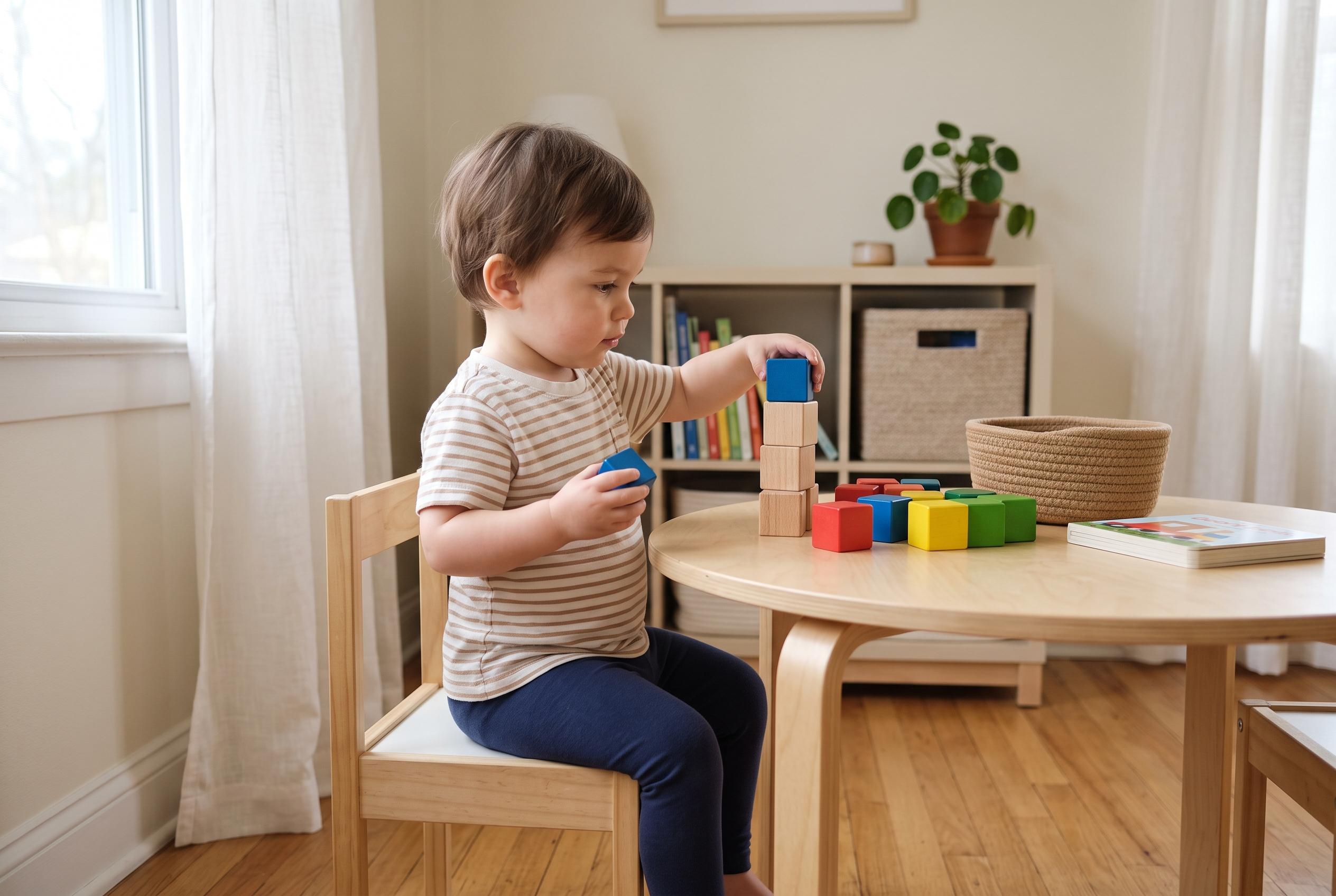

Establishing consistent, flexible routines around natural daily anchors helps toddlers feel secure and reduces daily conflicts, fostering smoother family life amidst inevitable disruptions.
The hardest part of toddler life is often not the tantrum itself, but the stretch just before it: the wrong cup, the missing sock, the shoes that will not go on and the clock that somehow keeps moving. For many families, a simple routine is what turns those daily flashpoints into something more manageable.
That does not mean turning home into a military timetable. A toddler routine works best as a familiar sequence, not a minute-by-minute order. According to the Centres for Disease Control and Prevention, consistent structure helps children understand expectations and feel more secure, while Head Start says predictable schedules can give young children a stronger sense of comfort and control.
The place to begin is with the parts of the day that already repeat. Waking up, meals, naps or quiet time, leaving the house, bath time and bedtime are natural anchors. Healthline suggests that a sample toddler schedule often works best when it is built around those recurring points rather than around a rigid ideal that no real family can sustain every day.
If mornings are the most difficult, start there. If bedtime turns into a long negotiation, focus on the evening first. Short, repeatable steps tend to work better than elaborate plans: nappy change, breakfast, dressing, teeth, shoes. For bedtime, many parents find that a fixed sequence such as bath, pyjamas, milk or water, books, cuddle and bed is easier for toddlers to absorb. Healthline says consistency in bedtime rituals can support better sleep and overall wellbeing.
Making the routine visible can help, too. A picture chart with photos or simple drawings gives a toddler a clear sense of what comes next, especially when they are tired, upset or distracted. The idea is not to make children obey on sight. It is to reduce the number of decisions they have to make and the number of explanations adults have to repeat.
The most effective routines are also the ones that can survive an ordinary bad day. If the plan depends on a cooked breakfast, a spotless kitchen and a peaceful half-hour before nursery, it may be pleasant but it is not very robust. Small choices are better than open-ended questions: red top or green top, hop to the bathroom or be carried there. The same goes for language. Repeating phrases such as “first teeth, then story” or “after lunch, it is quiet time” gives toddlers a cue they can learn.
Transitions are where many routines unravel, so it helps to prepare for them in advance. A warning before leaving the house, a tidy-up song before lunch or a set sequence before screen time can make change feel less abrupt. The CDC says consistency and follow-through matter, and that is especially true when a child is unhappy about stopping one activity and starting another. The goal is not to erase disappointment. It is to hold the boundary calmly.
When the plan falls apart, as it inevitably will, the answer is usually to return to the basics. Illness, travel, visitors and new childcare arrangements can all unsettle a child. In those moments, familiar anchors matter most: regular meals, a steady bedtime sequence and a predictable start to the morning. If a routine has become a daily battle for more than a couple of weeks, it may need adjusting rather than enforcing harder.
For households with two caregivers, it helps if the adults agree on the main rules before the toddler enters the conversation. They do not have to do everything in exactly the same way, but they should broadly match on the non-negotiables. Where co-parenting spans two homes, the bedtime may differ, but a familiar pattern such as pyjamas, story, lights out can still travel with the child. In the end, the aim is not a perfect schedule. It is a steady rhythm that helps toddlers know what comes next and helps adults get through the day with fewer arguments, fewer surprises and a little more breathing room.
Disclaimer: This content is for informational purposes only and is not intended to be a substitute for professional medical judgment, advice, diagnosis, or treatment.