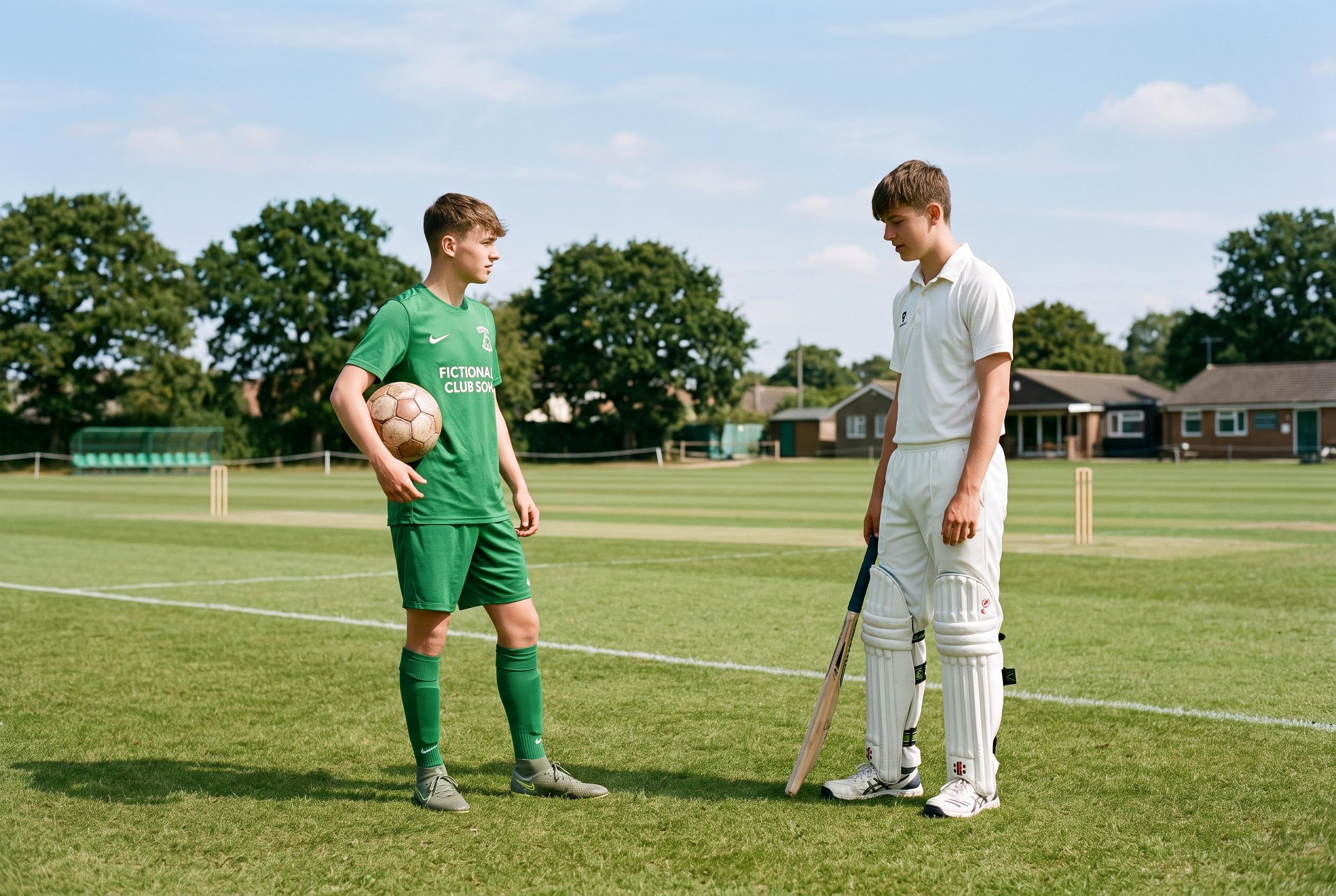

Experts highlight the importance of comprehensive medical assessments and lifestyle habits to prevent cardiac emergencies in young football and cricket players, amid concerns over intense training risks.
Young athletes chasing careers in football or cricket need more than stamina and skill, cardiologists say. The warning is simple: intense training can put real strain on the heart, and in rare cases that strain can expose serious underlying conditions before a player ever reaches elite level.
According to cardiology guidance on pre-participation screening, a careful medical and family history is one of the most important first steps before competitive sport. Doctors are advised to ask about sudden death in the family, fainting, chest pain during exercise and inherited heart disease, while physical exams can pick up murmurs or high blood pressure. Some European guidance also supports routine electrocardiograms, or ECGs, although specialists note that these tests require expertise because athlete hearts can show changes that look abnormal but are actually harmless.
That is why symptoms such as chest tightness, sudden breathlessness or faintness during exercise should never be dismissed as ordinary fatigue. Inherited conditions including hypertrophic cardiomyopathy and rhythm disorders such as long QT syndrome are among the cardiac problems doctors look for in young competitors, and research has linked many sudden cardiac deaths in athletes to genetic heart disease.
Hydration, sleep and diet also matter. Dehydration can make the heart work harder and may increase the risk of abnormal rhythms, while poor sleep raises stress hormones and prevents the cardiovascular system from recovering properly. Cardiologists also caution against energy drinks and other stimulant-heavy products, which can trigger palpitations, and recommend simple meals built around lean protein, complex carbohydrates and other whole foods. Dr Anshu Kumar Jha of Manipal Hospitals in Dhakuria, Kolkata, said in the article that “Dreaming big requires training smart. If you listen carefully and respect your heart today, it will be enough for years to make sure you can continue playing sports.”
Disclaimer: This content is for informational purposes only and is not intended to be a substitute for professional medical judgment, advice, diagnosis, or treatment.