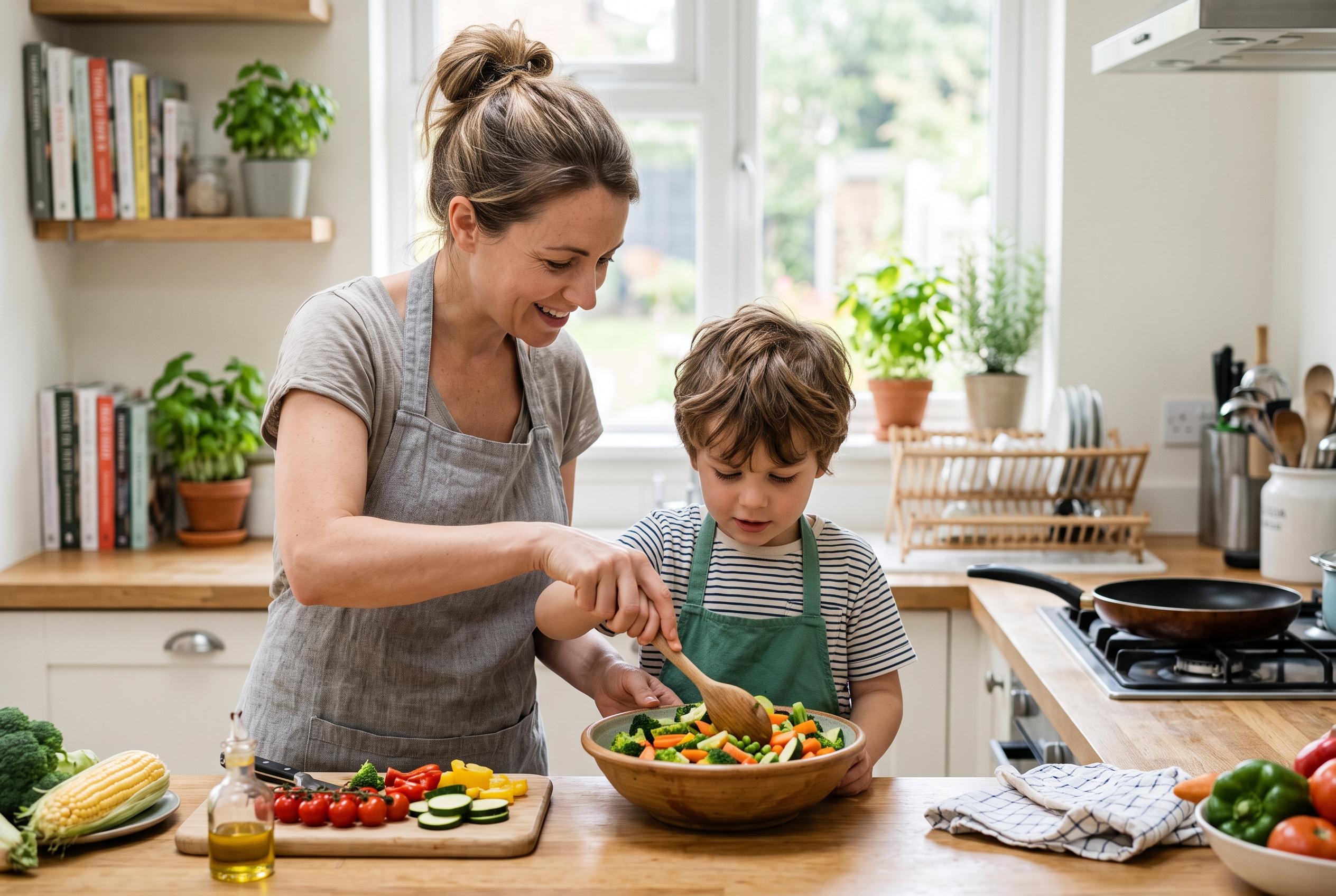

Experts emphasise that handling fussy eating requires patience, offering practical strategies like repeated exposure and involving children in food preparation, to help expand young palates without stress.
Many parents know the frustration of a child who turns up their nose at anything unfamiliar on the plate. But experts say fussy eating is common, often temporary and usually best handled with patience rather than pressure. The basic advice from paediatric health groups is consistent: keep offering healthy foods, stay calm and avoid turning meals into a battle. According to the Centres for Disease Control and Prevention, repeated exposure to new foods helps children become more willing to try them, while involving them in shopping or simple food preparation can make eating feel less intimidating.
Specialists also warn against expecting instant success. The Mayo Clinic Health System says many children need time before they accept a new food, and that small portions often work better than a full serving that can feel overwhelming. It recommends pairing unfamiliar foods with favourites, serving them early in the meal when hunger is strongest and trying the food yourself so children can see it is safe and normal. The key, the clinic says, is persistence without force.
Cleveland Clinic advises parents not to push children to eat something they reject, since that can make resistance worse. Instead, it suggests a steady routine around meals and snacks, limited distractions at the table and a role for children in planning or preparing food. Making meals visually appealing, such as arranging fruit or vegetables in simple shapes, can also help turn curiosity into a first bite. Harvard Health has similarly noted that picky eating often starts early and may continue if children are not exposed to a range of foods in the first years of life.
Other guidance points to the importance of repetition. UCSF Benioff Children’s Hospitals says some children may need as many as 15 chances with a new food before they are willing to try it. That makes patience essential, especially because taste and texture sensitivity can be part of normal development. The broader message from paediatric nutrition experts is that parents should decide what foods are offered, when they are served and where meals happen, while children decide whether to eat and how much.
Taken together, the advice suggests that the best response to picky eating is not special menus or constant negotiation, but structure, variety and steady exposure. Health specialists say parents should keep presenting age-appropriate foods, model healthy habits and accept that progress may be slow. Over time, that approach can do more to widen a child’s diet than pressure ever will.
Disclaimer: This content is for informational purposes only and is not intended to be a substitute for professional medical judgment, advice, diagnosis, or treatment.