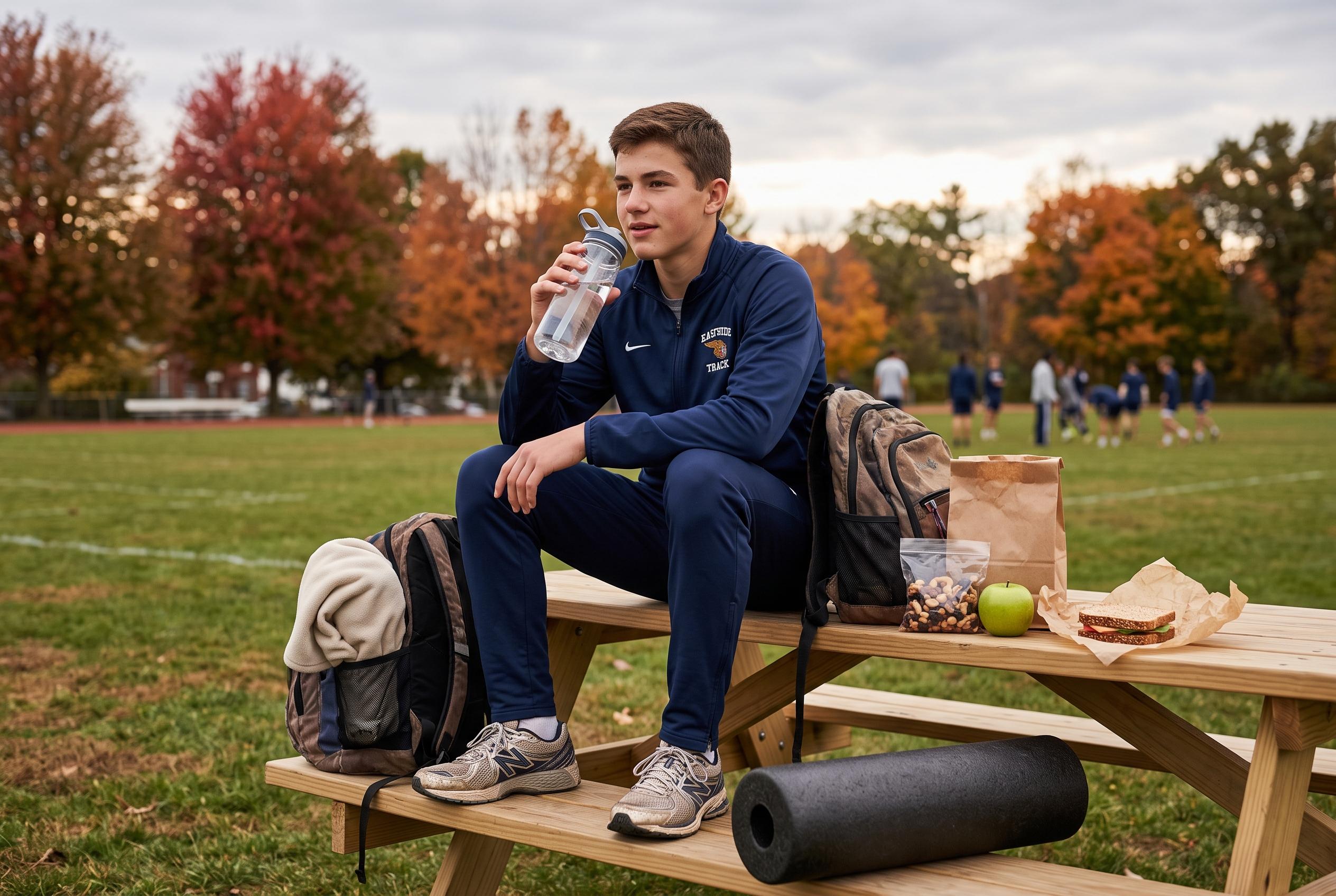

As autumn sports season begins, experts emphasise the importance of proper food, sleep, and hydration to help high school athletes balance training and academic demands effectively.
As the school year ramps up and autumn sports get under way, the challenge for high school athletes is not just competing well but coping with a schedule that demands energy in the classroom, on the training ground and at home. OhioHealth Sports Medicine manager and athletic trainer Chris Hite says the simplest way to support that balance is to focus on three basics: food, sleep and hydration.
Hite said student athletes often underestimate how much they need to eat once practices and games begin. Three proper meals a day, along with a light snack before exercise, can make a significant difference, particularly when the alternative is long gaps between meals and quick fixes such as fast food or sugary drinks. OhioHealth’s guidance reflects that view, while school-based nutrition advice from St. Francis DeSales High School and San Benito High School also stresses regular meals, smart snacks and a steady intake of carbohydrates, protein and fruit and vegetables.
Sleep is the other pillar. Teenagers generally need 8 to 10 hours a night, and some young athletes may need even more to recover from repeated training and competition. The National Collegiate Athletic Association has long warned that many student athletes fall short of that target, and OhioHealth says too little sleep can affect stress, appetite, healing and performance. St. Francis DeSales also recommends keeping a consistent sleep routine and cutting back on screen time before bed.
Hydration remains an area where many athletes struggle most. Hite says dehydration can affect not only physical performance but also thinking and attitude. OhioHealth advises drinking water before, during and after activity, and the American Council on Exercise recommends 17 to 20 ounces of fluid two to three hours before exercise, 8 ounces during warm-up and at least 8 ounces after activity. Sports drinks can be useful during longer sessions, but Hite cautions against products loaded with sugar or caffeine. Other nutrition guides for student athletes make the same point: the safest default is water, with more fluid needed when training is intense or the weather is hot.
Disclaimer: This content is for informational purposes only and is not intended to be a substitute for professional medical judgment, advice, diagnosis, or treatment.