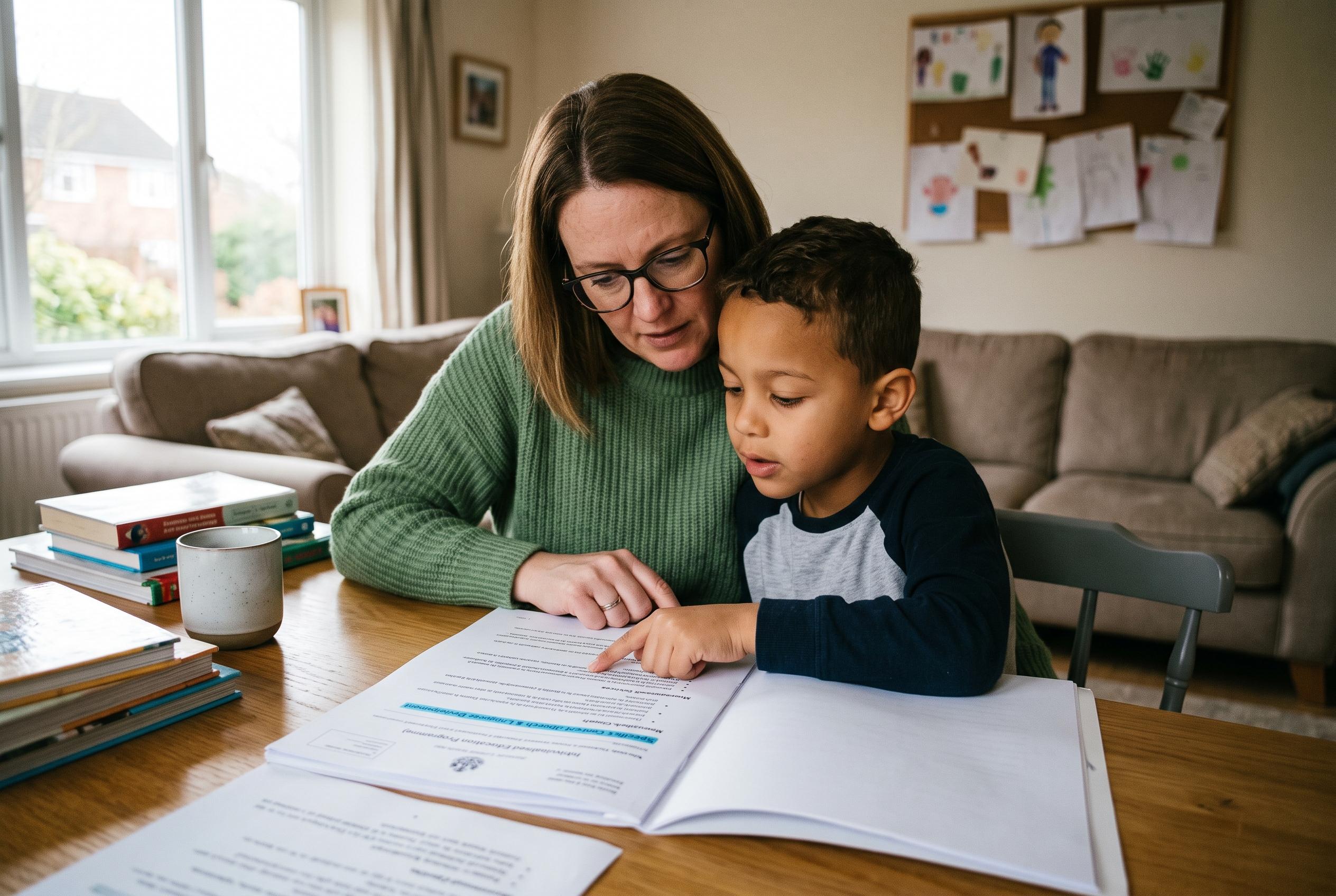

A practical approach to understanding and evaluating an Individualised Education Programme can empower parents to better advocate for their child’s educational needs, rather than getting lost in the legal jargon.
For many parents, an Individualized Education Programme can feel like a dense legal document written to repel, not inform. The better approach, special education advocates say, is not to begin at page one and labour through every line in order, but to choose one area of concern and trace it through the whole plan. That method makes it easier to see whether the document actually addresses a child’s needs, rather than merely mentioning them.
A practical starting point is the issue that matters most right now, whether that is reading comprehension, writing, maths, behaviour, speech and language, executive functioning, anxiety or social skills. From there, the first stop should be the evaluation records, which should identify the underlying need, the assessment used and any recommendations that followed. If the child has not been assessed for the concern in question, parents may need to request further evaluation.
The next section to examine is present levels of performance, which should show how the difficulty affects the child in school today. Understood, which advises teachers on how to read an IEP, says this part should connect directly to current performance, strengths, areas of need and the child’s access to the curriculum. If the evaluation and present levels do not tell the same story, that mismatch is worth flagging.
Parents should then look for an annual goal that directly targets the skill deficit. The goal should be specific and measurable, with a clear baseline so progress can be tracked. Fairfax County Public Schools says an effective IEP should be built on present levels and written so it is understandable, sequential and measurable. If the document identifies a need but never turns it into a goal, or if the goal is only loosely related, the plan may be incomplete.
Services and supports come next. That means checking for specialised instruction, related services, accommodations and how often those supports will be delivered. Understood and other parent guides note that an IEP should also spell out any assistive technology or classroom help needed to make progress. If the plan expects improvement but does not explain how the school will provide instruction or support, parents have a legitimate question.
Finally, progress monitoring should be reviewed against the original concern. The reports should show whether the school is collecting data, whether that data measures the goal and whether the child is making meaningful progress. When the numbers do not line up with the goal, or the goal does not connect back to the original need, the chain has broken somewhere.
Several common warning signs tend to recur: an identified need with no goal, a goal with no services behind it, accommodations that do not address the disability, present levels that are outdated and progress reports that do not measure what the goal says they should. York Region District School Board and other parent-facing guides stress that families play an important role in this process and should understand each part of the plan before agreeing to it. In practice, that means parents do not need to read the whole document first. They need to follow one concern from start to finish and see whether the IEP actually holds together.
Disclaimer: This content is for informational purposes only and is not intended to be a substitute for professional medical judgment, advice, diagnosis, or treatment.