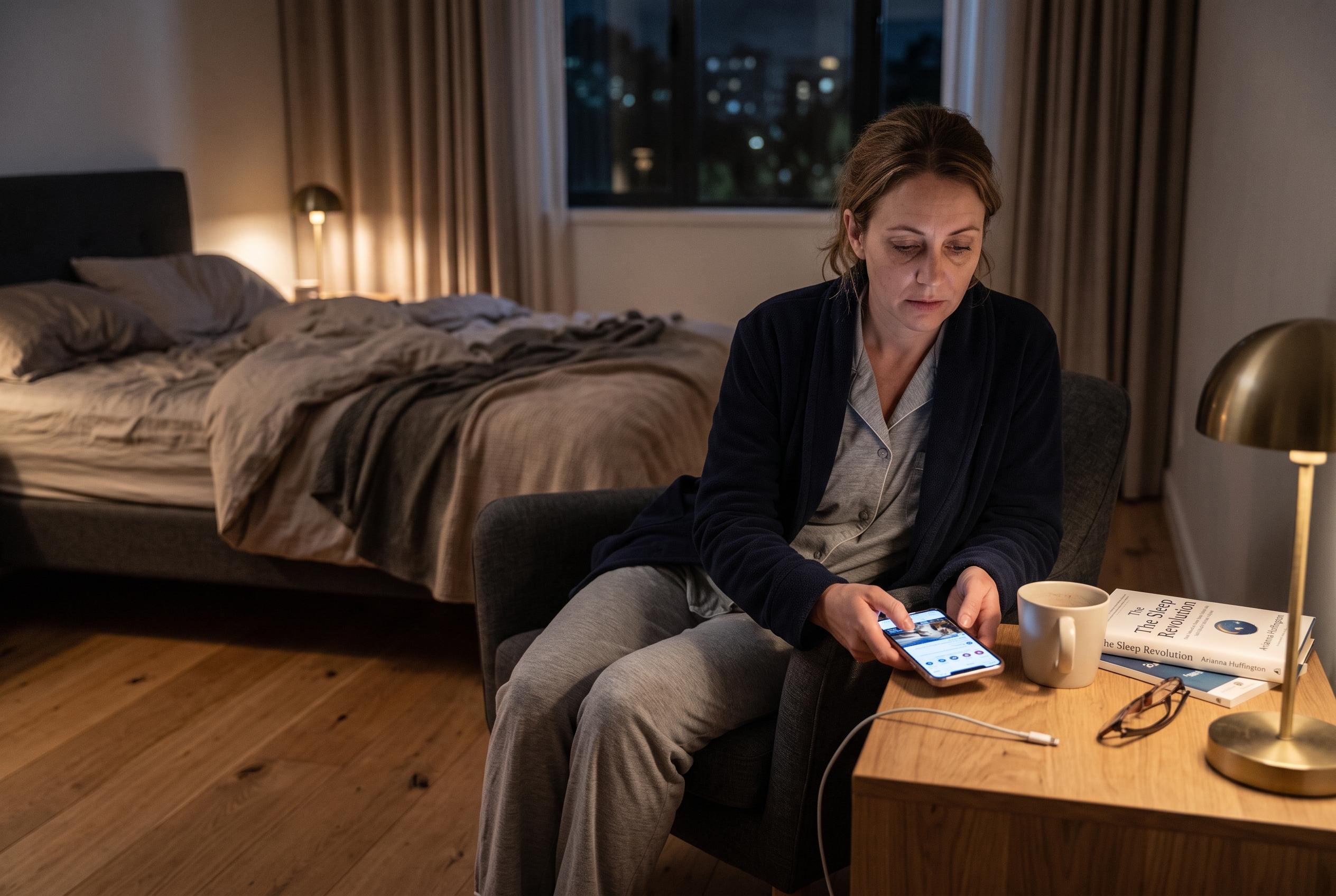

Emerging research reveals that it’s not just blue light but behavioural factors like endless feeds and notifications that disrupt sleep; recent studies complicate the narrative, indicating both risks and potential benefits of late-night smartphone use.
A growing body of research suggests that late-night phone use is about more than blue light. The bigger problem may be that phones are hard to put down, with alerts, personalised feeds and an endless stream of content nudging people to stay awake longer than planned. A BBC report carried by Pénzcentrum noted that this combination can make it difficult to end the evening, while a 2026 review of 25 studies found that young people tended to go to sleep later on days when they spent more time in front of screens.
That matters because the problem is often not the device itself but the way it changes behaviour. Researchers have long linked evening screen time with shorter sleep, later bedtimes and poorer sleep quality, especially when use becomes routine. A broader analysis covering 127 studies and more than 867,000 young people found an association between digital device use and reduced sleep, later bedtimes and worse sleep quality, with problematic internet and social media use at night standing out as particularly unhelpful.
The appeal of social media is part of the issue. Unlike a book chapter or a fixed programme, a feed does not have a natural stopping point, which makes it easier to lose track of time. That can lead to bedtime procrastination, when someone knows they should sleep but keeps scrolling anyway. A 2024 study in Communication Research Reports found that pre-bedtime smartphone use had a stronger negative effect on adolescents’ sleep quality than daytime use, suggesting timing is crucial.
Still, the science is not entirely one-sided. A 2026 study in Computers in Human Behaviour Reports, based on 401 adults in Germany, found that longer evening smartphone use was linked to slightly earlier bedtimes and longer sleep, indicating the relationship may be more complicated than the old “phone bad for sleep” formula. Even so, other recent research points the other way: a separate 2026 study in Medicine found that limiting smartphone use in the evening for five days improved sleep quality, cognitive performance and physical performance among university students, especially those with high levels of nomophobia, or fear of being without a phone. Taken together, the evidence suggests that the biggest risk comes not from a quick check of the time, but from letting late-night scrolling repeatedly push sleep further back.
Disclaimer: This content is for informational purposes only and is not intended to be a substitute for professional medical judgment, advice, diagnosis, or treatment.