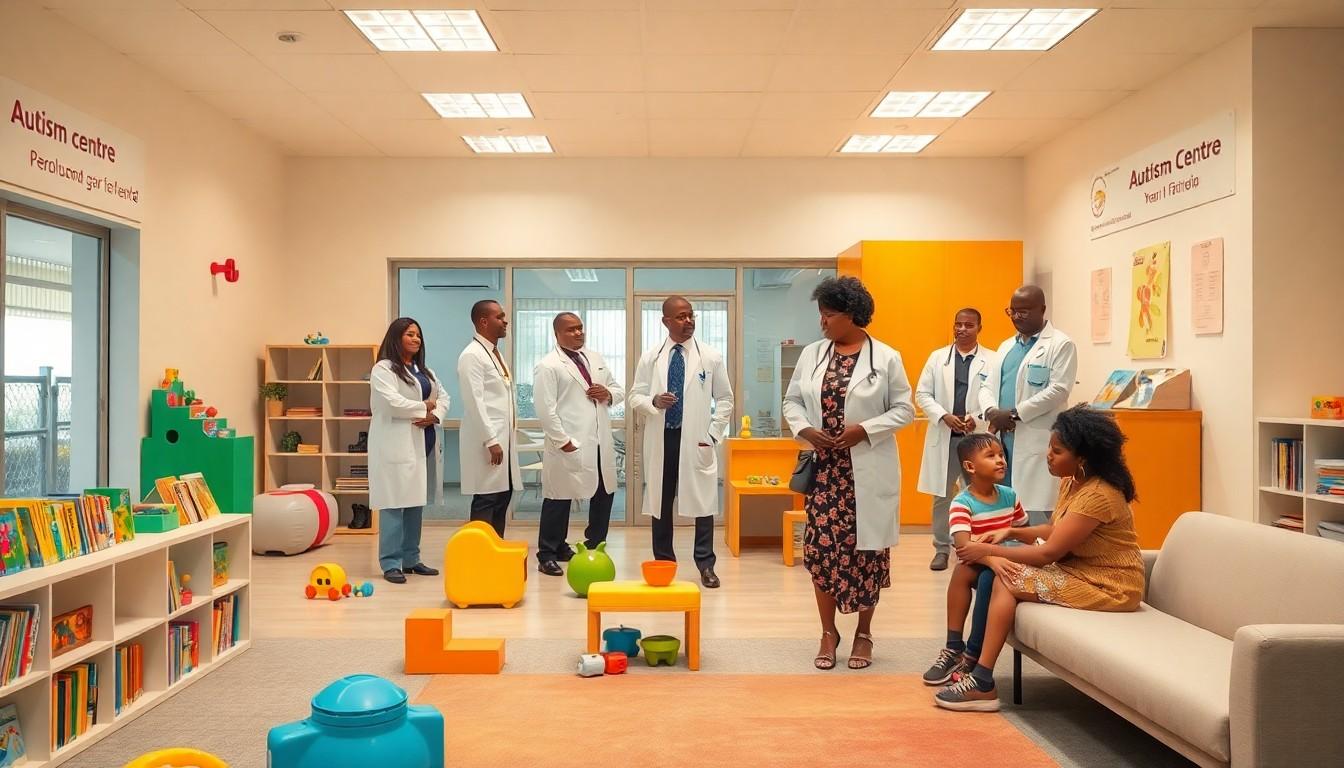

Nigeria is undertaking a major reform to enhance autism diagnosis and support, including expanding specialist training and establishing autism centres across the country, in a bid to address longstanding gaps in local provision.
Nigeria has launched a broad push to improve autism care by expanding specialist training, directing new investment towards tertiary institutions and setting up autism centres in each of the country’s six geopolitical zones. Education Minister Tunji Alausa said the plan is aimed at easing a long-running shortage of audiologists, speech and language therapists and occupational therapists, professionals he said are essential to diagnosing and supporting children with developmental conditions.
Speaking at a stakeholders’ engagement in Abuja, Alausa said the number of universities offering these specialist courses had risen sharply, from about four to nearly 16, and that the government wanted even more institutions to join them. According to the minister, many Nigerian families still travel overseas or to neighbouring countries for treatment because local provision remains limited, a situation he described as unacceptable.
The reform drive builds on earlier efforts this year, when the government began a wider overhaul of therapy education to strengthen training in occupational therapy, audiology and speech therapy across tertiary institutions. The University of Medical Sciences in Ondo State already runs a Department of Audiology and Speech Therapy, while the University of Benin has been positioning itself to add occupational therapy and speech and audiology programmes after receiving approval for new courses from the National Universities Commission.
From next year, the education ministry said it will begin targeted support for universities teaching the specialist subjects, including expanded infrastructure, modern equipment and teaching materials. It has also asked the National Board for Technical Education to speed up accreditation for the Federal School of Occupational Therapy and for the occupational therapy diploma at the University of Benin, a move intended to create a clearer route from diploma to degree-level training.
Alausa said the six autism centres, due to open in 2027, will provide diagnosis, therapy and research services and act as regional hubs for families, health workers and schools. The government’s plan comes as private providers such as AOH Autism Centre in Benin City continue to offer behavioural, educational and hydrotherapy services, underlining both the scale of need and the gap the public system is trying to fill.
Disclaimer: This content is for informational purposes only and is not intended to be a substitute for professional medical judgment, advice, diagnosis, or treatment.