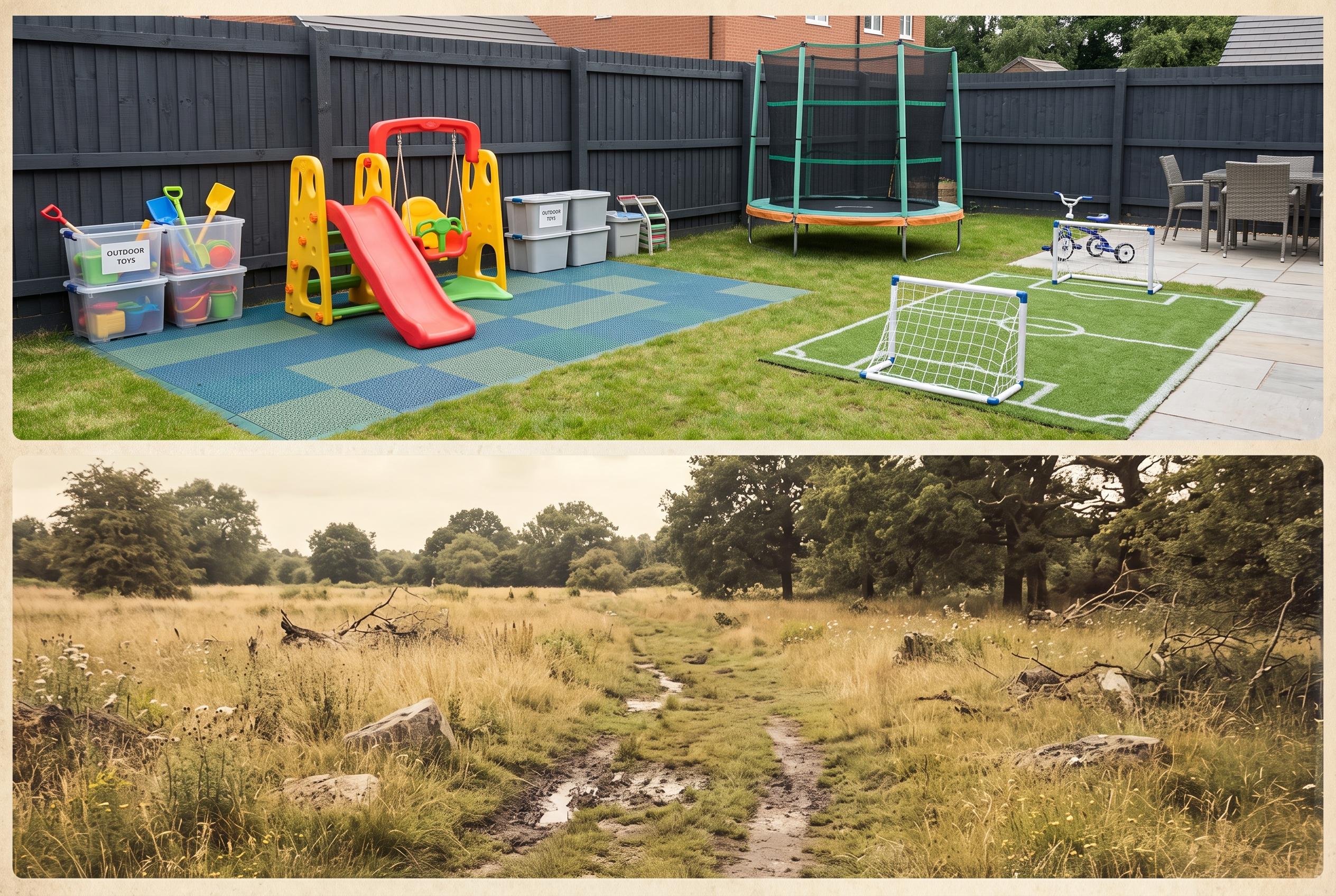

Children’s freedom and outdoor play have significantly declined since the 1970s and 1980s, as modern parents prioritise safety, supervision, and organised activities, transforming the landscape of childhood.
Childhood has changed in ways that would seem startling to many parents who grew up in the 1970s and 1980s. What once passed for normal – turning up at a friend’s door, riding across the neighbourhood or spending long stretches of the day outside without constant check-ins – is now far more likely to require advance planning, supervision and permission, according to YourTango as relayed by Index.hr.
For many Generation X children, a bicycle was the key to daily freedom. They could meet friends, head to a park or stop by a shop with little more than a casual mention at home. Today, the same adults often take a far more cautious approach with their own children, asking where they are going, who will be there and how they will get back. Pew Research Centre has found that parents in the United States are almost evenly split between trying to raise children the way they were raised and choosing a different style, suggesting that many are deliberately rethinking what childhood should look like.
That shift is visible in how children spend their time alone. Earlier generations were often left to play with neighbours or entertain themselves without a parent hovering nearby, whereas many families now build days around joint activities and close involvement. Pew’s broader research on American family life also shows that children are less likely to live with two married parents than they were in 1970, a change that has helped reshape routines, responsibilities and expectations at home. At the same time, a growing body of commentary and research points to screens, safety worries and packed schedules as major reasons free play has declined.
Communication has also been transformed. Letters and postcards once linked children to distant relatives and friends, but today almost everything runs through smartphones, messaging apps and social platforms. That gives young people more immediate contact, but it also brings concerns about unsuitable material, cyberbullying and contact with strangers. The same pattern appears in leisure time, where many parents now organise sports, lessons and transport with precision, in contrast with the looser, more spontaneous games that once filled neighbourhoods. In that sense, the biggest difference may be not simply that children have less freedom, but that modern parenthood has become far more managed, monitored and deliberate.
Disclaimer: This content is for informational purposes only and is not intended to be a substitute for professional medical judgment, advice, diagnosis, or treatment.