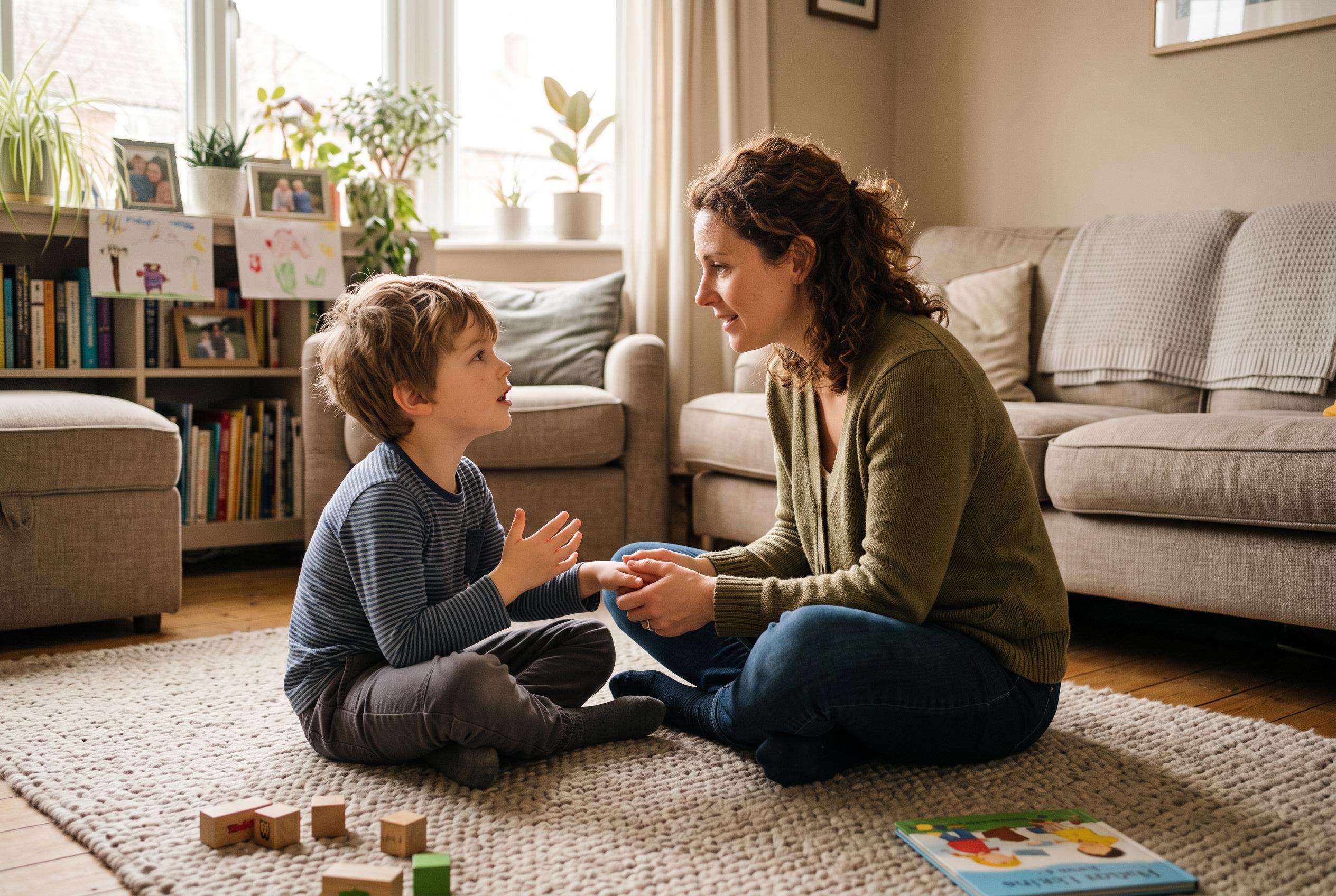

Experts warn that habits like shaming boys for expressing emotion and overprotectiveness can undermine long-term emotional connection. Changing these small behaviours can help parents build stronger bonds with their sons as they grow into adults.
Parents often assume sons will grow out of emotional closeness and need less guidance than daughters. Yet parenting writers and therapists say the habits that seem harmless in childhood can create distance years later, especially if boys learn to hide feelings, avoid discomfort or rely on the wrong voices for guidance.
One of the most damaging mistakes is shaming boys for showing emotion. Phrases such as “boys do not cry” may be intended to build toughness, but they can teach children to bury sadness, fear and disappointment. Over time, that can make it harder for them to name feelings, ask for help or build healthy relationships as adults.
Another problem is leaving social media and influencers to define masculinity. According to YourTango, boys who spend hours online without much parental involvement can absorb messages that equate manhood with dominance, contempt for women or emotional suppression. Experts say parents need to talk early and often about respect, responsibility and what healthy confidence actually looks like.
Overprotectiveness can also backfire. Hindustan Times has noted that constantly stepping in to prevent failure may spare a child frustration in the short term, but it can also leave him unprepared for the real world. Children need room to make mistakes, handle disappointment and solve problems themselves if they are to become independent adults.
Times of India and Hindustan Times also point to other habits that widen the gap: reacting with anger instead of listening, comparing children with others, controlling too tightly and failing to make space for genuine conversation. Psychologists say these behaviours often come from concern, but children can still feel judged, unheard or managed rather than trusted.
The broader lesson is that closeness with sons is not built through authority alone. It depends on emotional safety, steady attention and a willingness to let boys be vulnerable, imperfect and heard. Parents who want a stronger bond in adulthood may need to start by changing the small habits that teach a son to keep his distance.
Disclaimer: This content is for informational purposes only and is not intended to be a substitute for professional medical judgment, advice, diagnosis, or treatment.