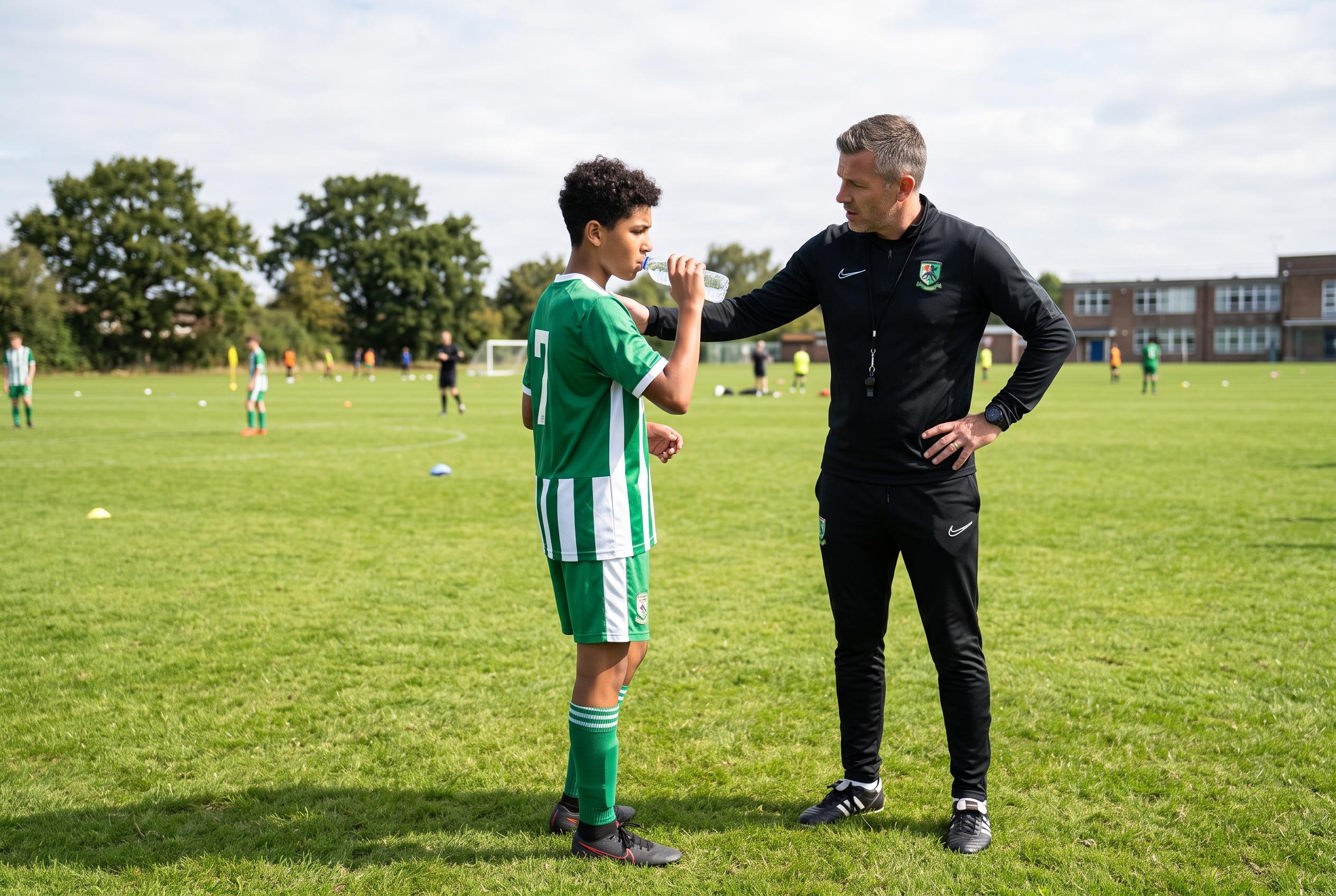

As the new football season begins, experts highlight the preventable dangers of exertional heat illness among young athletes, urging stricter safety protocols and cultural shifts to prioritise player health over competition.
Each August, the promise of a new football season collides with some of the harshest conditions young athletes will face all year. In a Jackson Advocate opinion piece, Selika Sweet warns that the most dangerous opponent on the field is often not the team across from them, but the heat itself. Her central argument is blunt: exertional heat illness is a preventable threat that still claims young lives, despite decades of medical knowledge and safety guidance.
Sweet pointed to the long-standing toll of exertional heat stroke, which sports medicine experts say remains the leading preventable cause of death in high school athletes. The Centres for Disease Control and Prevention says athletes exercising in hot weather face elevated risks of dehydration and heat-related illness, especially when they are pushed through peak temperatures without enough breaks, water or recovery time. In the American South, where heat and humidity can combine with heavy gear and artificial turf, the danger rises quickly.
The medical answer, Sweet argued, is not to trust the thermometer alone. Schools and programmes are increasingly urged to use Wet Bulb Globe Temperature, a more complete measure that factors in humidity, wind and radiant heat. That approach lines up with guidance from high school sports bodies and medicine groups, which say practices should be modified, shortened or halted when conditions become unsafe. The National Federation of State High School Associations and related medical advisers also stress gradual acclimatisation, hydration, education and rehearsed emergency plans as the basic pillars of prevention.
Sweet also highlighted sickle cell trait, a genetic condition that is usually harmless but can become dangerous during intense exertion, especially in heat or dehydration. The NCAA says Division I athletes must know their status, and it recommends that coaches and staff understand the warning signs of collapse and be ready to intervene. Her wider point was that protection has to start long before college, with parents, schools and trainers all sharing responsibility for knowing athletes’ risks and responding early.
That means no scholarship, roster spot or name, image and likeness deal should ever outweigh a child’s safety. Sweet argued that youth sports are healthiest when they are built around gradual conditioning, proper nutrition, enough sleep and respect for recovery, not around pressure and pride. The most effective safeguard, she wrote, is a culture that treats science as more reliable than tradition and values a cooled, conscious athlete over a won practice.
Disclaimer: This content is for informational purposes only and is not intended to be a substitute for professional medical judgment, advice, diagnosis, or treatment.