
Experts emphasize that potty training is less about age and more about a child’s readiness, focusing on confidence and routine to prepare children for kindergarten without undue pressure or stress.
Potty training is increasingly tied to a bigger question many families are asking before school starts: is a child ready for kindergarten? Educators say more children are arriving in classrooms without fully independent toileting skills, which can add pressure for teachers and create avoidable stress for pupils adjusting to school routines. But experts stress that the process is not about meeting a fixed deadline. It is about helping children build confidence, routine and independence at a pace that fits their development.
The American Academy of Pediatrics says there is no single age at which toilet training should begin. Readiness matters more than the calendar. Signs may include staying dry for longer periods, noticing when a diaper is wet or dirty, showing interest in the toilet and being able to communicate the need to go. Its guidance on school readiness also frames toileting as part of a wider picture that includes physical well-being, emotional development and the child’s environment.
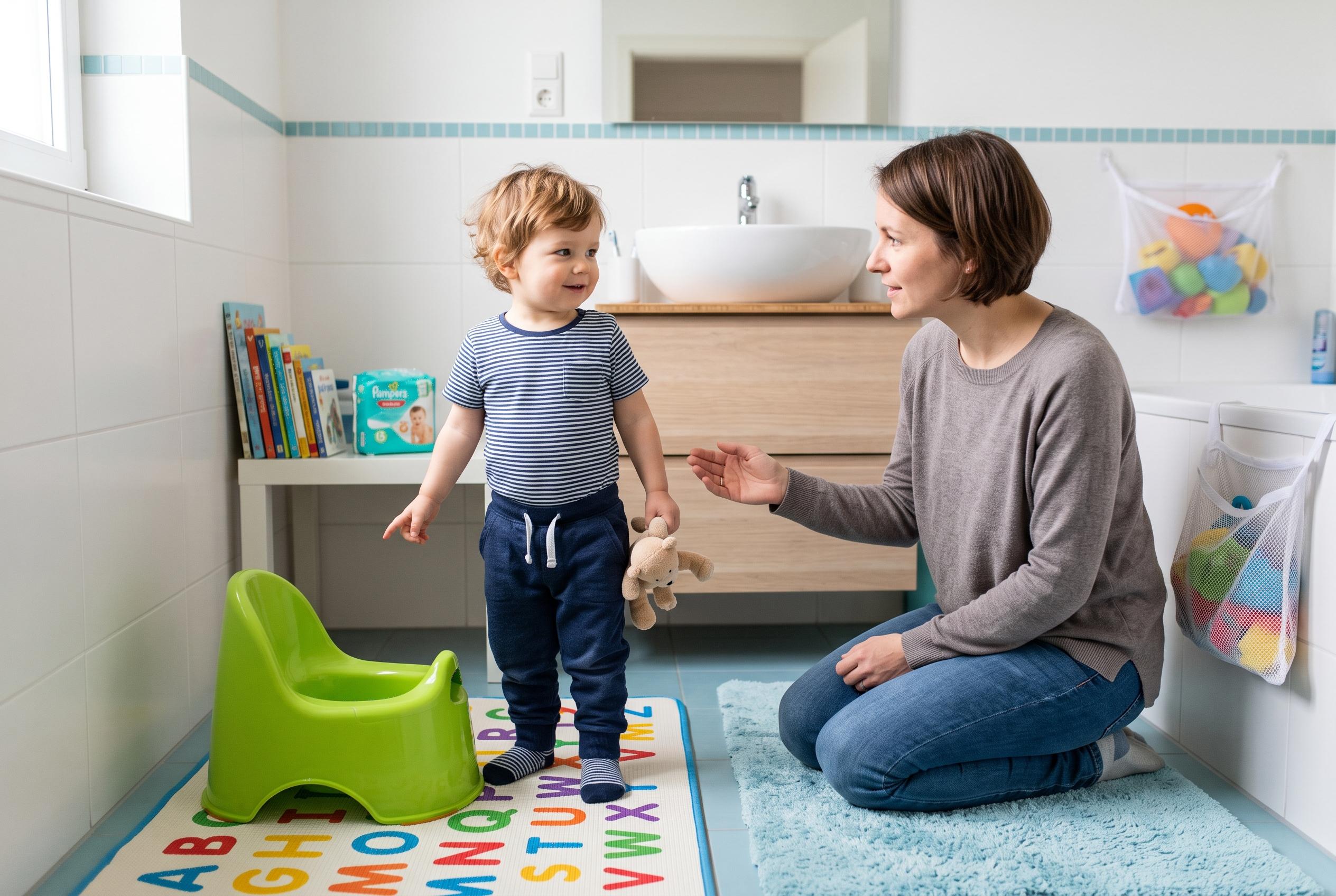
For families starting out, comfort is often the difference between resistance and progress. Child-sized potties, predictable routines and positive language can make the process feel less intimidating. Experts say children tend to do better when adults celebrate attempts as well as successes and treat accidents as part of learning rather than failure. The American Academy of Pediatrics also notes that children with special needs may need a medical check-up and, in some cases, additional equipment or tailored advice.
As children gain confidence, many move from a floor potty to the regular toilet. That transition can be daunting because adult toilets are higher, louder and less secure. Supportive tools such as potty seats with steps can help bridge that gap by giving children a steadier, more independent way to use the bathroom. The goal at this stage is to reinforce the child’s sense of control while keeping expectations consistent at home and elsewhere.
Consistency becomes even more important once children are using the toilet regularly during the day. Parents are encouraged to practise public restrooms, build in handwashing and wiping routines and prepare children for what kindergarten bathrooms will look like. The Academy also says preschoolers often respond to imitation, so seeing peers use the toilet can be a helpful motivator rather than a source of pressure.
What matters most, experts say, is avoiding shame. Children may regress during illness, travel or major life changes, and that does not mean the process has failed. Potty training works best when adults stay calm, patient and realistic. For many families, the best measure of success is not perfection but steady progress towards confidence, independence and school readiness.
Disclaimer: This content is for informational purposes only and is not intended to be a substitute for professional medical judgment, advice, diagnosis, or treatment.