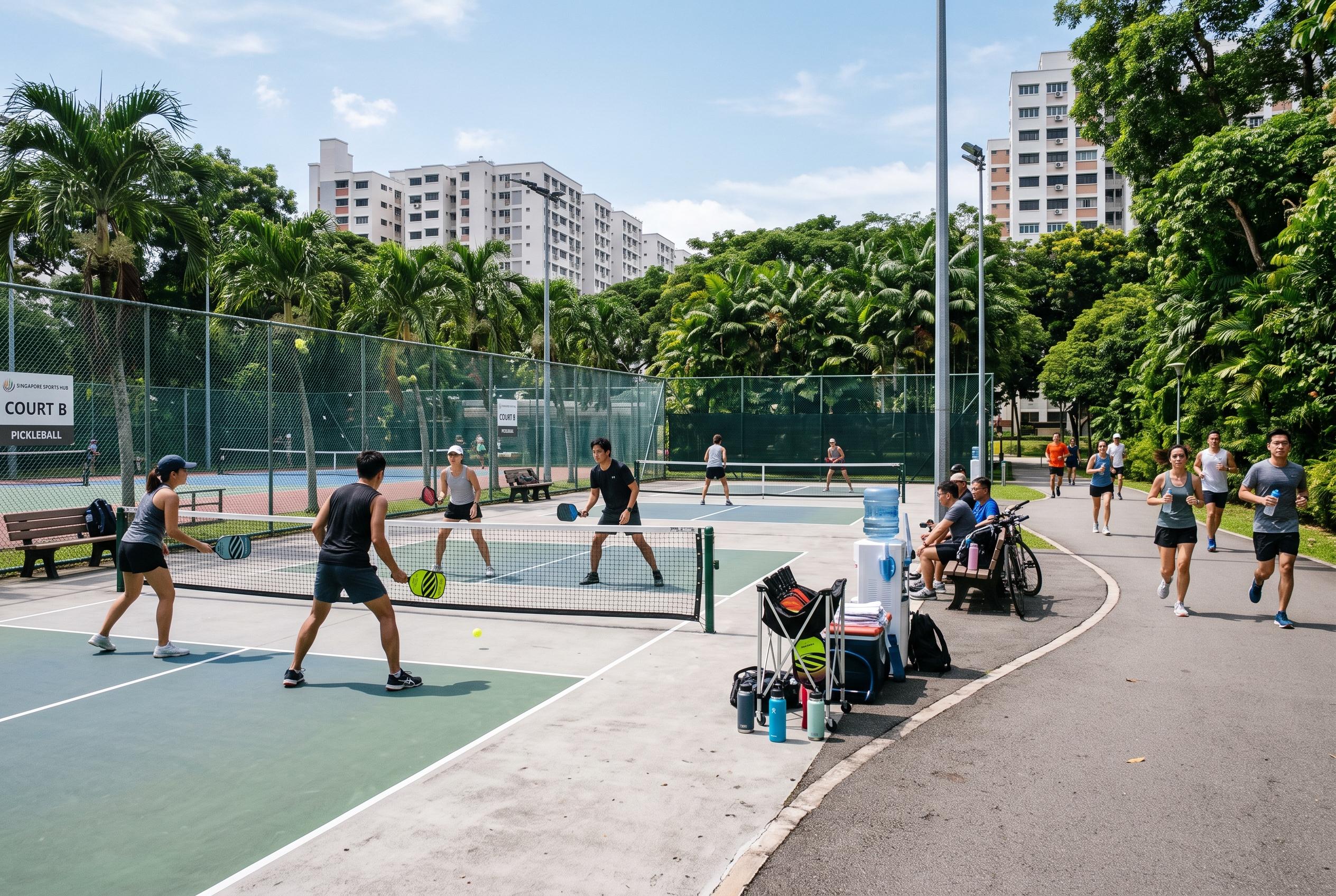

The surge in amateur sports in Singapore, from pickleball to running, is leading to increased overuse knee problems among weekend warriors. Experts highlight simple preventive measures to reduce injury risks and promote safer active lifestyles amidst rising participation.
Singapore’s weekend athletes are multiplying, from pickleball regulars to padel devotees and amateur runners chasing ambitious training goals. The result is a familiar Monday complaint: knees that feel less like hinges and more like warning lights. Physiotherapists in Singapore say the pattern is rarely a dramatic injury. More often, it is an ordinary person suddenly asking a joint to do far more than it was prepared for.
That is because the knee works under heavy load every time someone runs, lands or lunges. It can cope well when the surrounding muscles are conditioned, but it struggles when activity rises suddenly after long periods of inactivity. The quadriceps, hamstrings and glutes are meant to help absorb impact, yet they are often undertrained in people who spend most of the week sitting before launching into sport at the weekend. Add hard studio floors, futsal courts, hill repeats and long gym sessions, and the strain can build quickly.
Not every twinge needs panic. Soreness that settles within a day or two is usually part of training, and brief morning stiffness is often harmless. But swelling that lingers after exercise, pain going downstairs, painful clicking, locking or giving way, or any ache that changes the way someone walks deserves closer attention. A problem that hangs around for weeks is especially worth checking, because delays often turn manageable irritation into something that starts shaping everyday life. Clinics such as Heartland Physio, Benchmark Physio, Hello Physio and OptiMove Physio say they regularly see overuse problems, biomechanical imbalances and conditions ranging from runner’s knee and tendonitis to osteoarthritis and ACL injuries.
The good news is that prevention is straightforward. Short strength sessions built around squats, lunges, step-ups and hamstring work can do more for knee resilience than a brace. Gradually increasing running or training load matters as well, as does taking rest days seriously, since tissue adapts between workouts rather than during them. Rotating activities, such as mixing high-impact sport with swimming or cycling, can also reduce repetitive stress. Managing body weight carefully helps too, because each extra kilogram multiplies through thousands of steps.
For anyone whose knee or hip has been complaining for several weeks, proper assessment is better than guessing. Sometimes the answer is reassurance and a rehabilitation plan, while in other cases it may point to a more specific injury or longer-term condition. Singapore’s parks, courts and running routes make it easier than ever to stay active. The challenge is making sure the body is trained for the workload before it is asked to carry it.
Disclaimer: This content is for informational purposes only and is not intended to be a substitute for professional medical judgment, advice, diagnosis, or treatment.