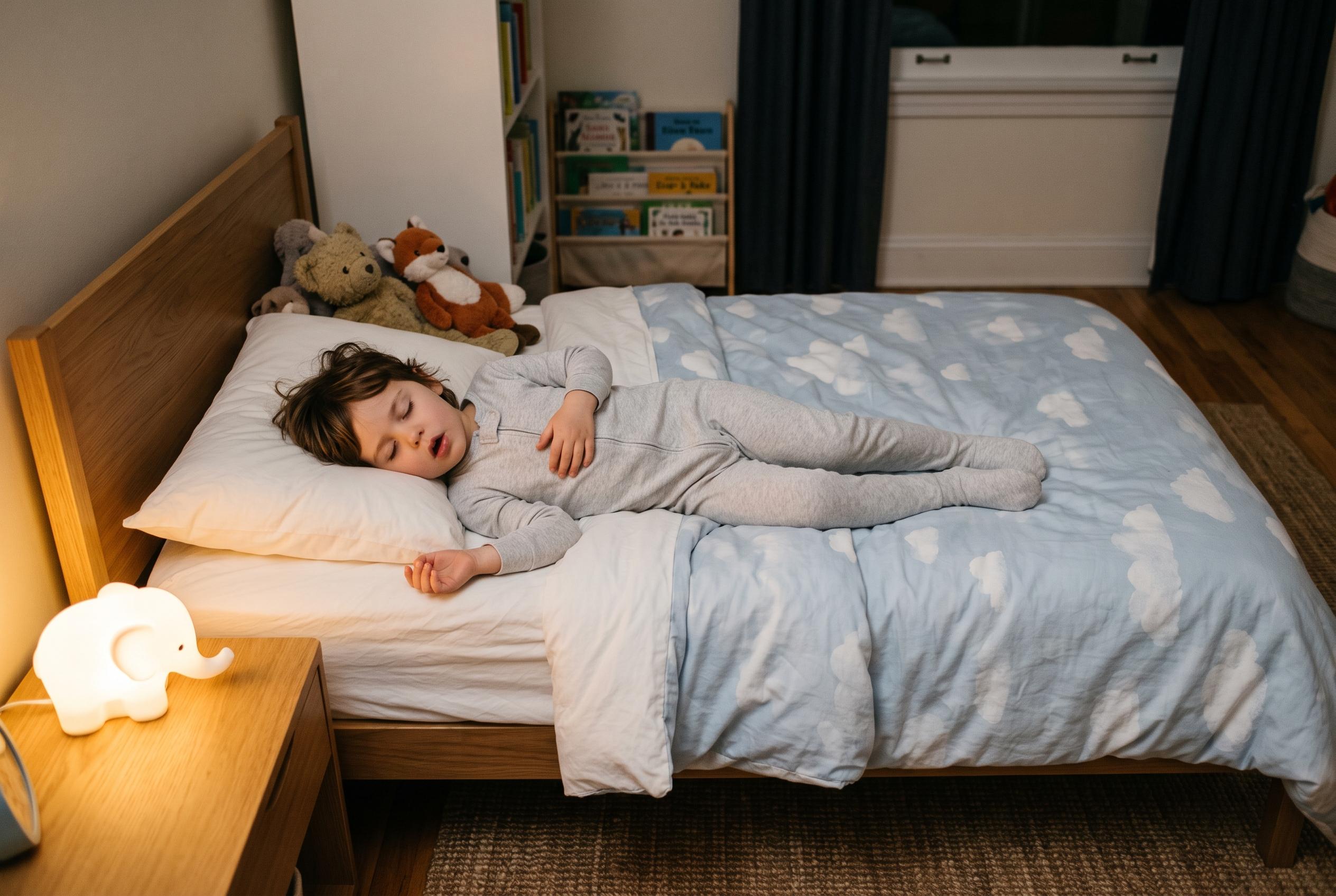

Persistent snoring in children can be more than just a nuisance; it may signal disordered breathing during sleep. Medical professionals emphasise the importance of timely diagnosis and appropriate treatment to prevent long-term health impacts.
A child’s snoring may sound ordinary, but clinicians say it can also be a warning sign that breathing is being disrupted during sleep. That matters because sleep-disordered breathing ranges from simple snoring to obstructive sleep apnea, a condition in which the upper airway narrows or closes and interrupts rest without the child necessarily waking fully. Johns Hopkins Medicine says the condition is most often seen in young children and can affect daytime behaviour, attention and sleep quality.
Doctors and dental specialists often first notice the clues in a child’s mouth, face or sleeping pattern, but a proper diagnosis needs medical assessment. Kevin O’Brien, an emeritus professor of orthodontics at the University of Manchester, argues that orthodontists may identify concern but should not diagnose sleep-disordered breathing on their own. The British Dental Journal recently said updated guidance from the American Association of Orthodontists reflects the same caution, stressing that orthodontic care may have a role in selected cases but should not be treated as a substitute for evidence-based medical treatment.
Common symptoms include loud, regular snoring, pauses in breathing, gasping, restless sleep and daytime tiredness or irritability. The National Heart, Lung and Blood Institute and Sleep Foundation both say enlarged tonsils and adenoids are frequent causes, while obesity, congestion, allergies, asthma and certain medical conditions can also contribute. Johns Hopkins Medicine notes that diagnosis is typically confirmed with a sleep study, which helps determine how often breathing is interrupted and how severe the problem is.
Treatment depends on the cause. In many children, removing enlarged tonsils and adenoids can improve breathing and sleep, while other children may need weight management, continuous positive airway pressure, or both. Children’s Health and the NHLBI also note that some patients need a mix of approaches. The central message from the sources is consistent: snoring alone is not a diagnosis, and families should seek medical review if a child snores persistently or shows signs of disturbed sleep.
Disclaimer: This content is for informational purposes only and is not intended to be a substitute for professional medical judgment, advice, diagnosis, or treatment.