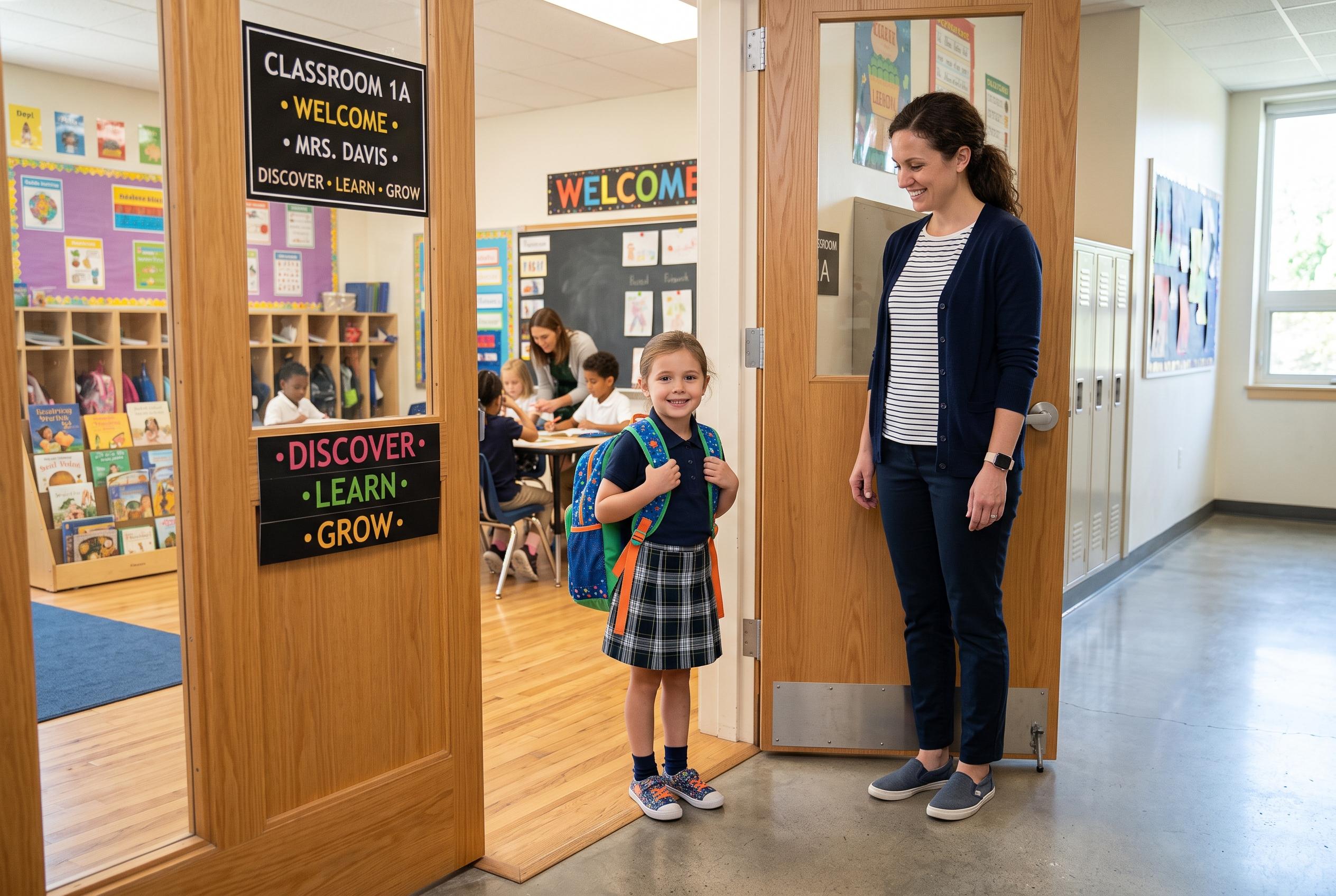

As children prepare to return to school, experts emphasise certain strategies to ease anxieties and foster a confident start, highlighting the importance of routines, communication, and adult modelling to support pupils’ mental well-being.
The return to school can stir a familiar mixture of anticipation and unease: children may look forward to seeing friends again, but also worry about grades, new teachers, changing classrooms or simply leaving summer behind. Dr Mary Shea of the University of Kentucky said the first few weeks of the term can be especially hard for pupils already managing mental health difficulties, and experts note that some back-to-school anxiety is a normal response to change, not a sign that something is wrong.
Specialists at Johns Hopkins Medicine and the Kids Mental Health Foundation say one of the most useful steps is simply to ask children how they are feeling and listen without rushing to solve everything. They also recommend easing the transition before the first bell by shifting bedtimes and wake times earlier, revisiting routines and, where possible, helping younger children become familiar with the school building, teachers or daily timetable. Some children may also benefit from reconnecting with friends before classes begin, whether through playdates or shared activities.
Shea also stresses that parents should set clear expectations around attendance, sleep and evening habits. Regular school attendance helps children stay academically on track, while predictable routines can reduce stress. That means limiting screens late in the evening, keeping a firm lights-out time and making sure mornings are structured enough to avoid a rushed start. The Kids Mental Health Foundation also advises giving children a defined place to do homework and involving them in preparing for the new term so they feel more organised and involved.
Communication with school staff can matter just as much as what happens at home. According to Shea, parents should keep in touch with teachers if a child is refusing to attend, appears withdrawn or repeatedly asks to be collected early. That kind of contact can reveal problems that are not visible at home, including friendship difficulties or bullying. Children are generally more engaged and do better when parents and teachers work together, and Harvard Health notes that persistent anxiety, rather than short-term nerves, may be a sign that extra support is needed.
Parents are also being told to model the behaviour they want to see. That includes showing calm in stressful moments, maintaining healthy sleep and food habits, and demonstrating respectful ways to handle conflict. Children learn from how adults speak to teachers, neighbours and other parents, and that example can shape how confident they feel in their own school lives. As Shea put it, the goal is to help children start the year feeling secure, capable and ready to learn.
Disclaimer: This content is for informational purposes only and is not intended to be a substitute for professional medical judgment, advice, diagnosis, or treatment.