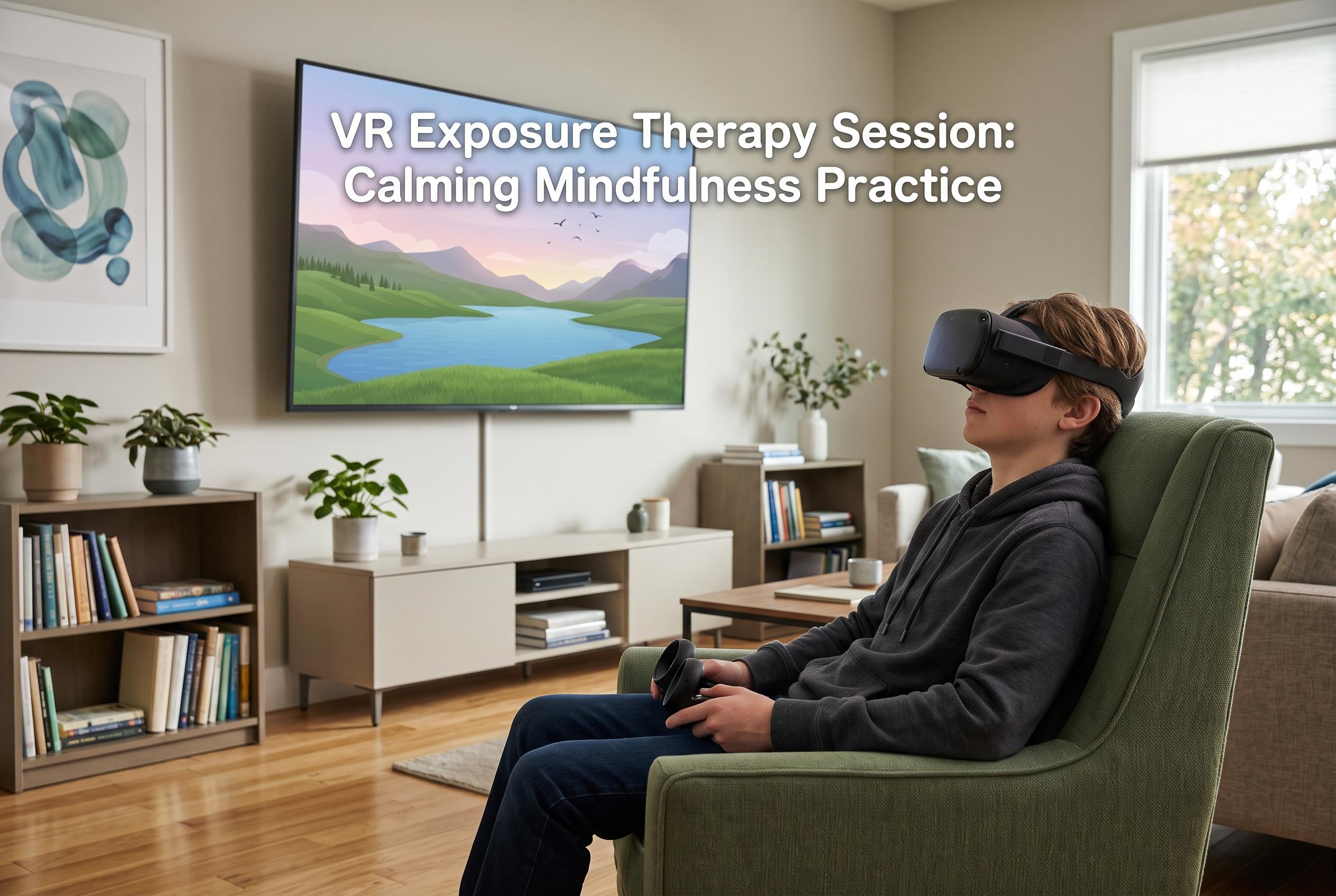

Petra Butler investigates how immersive virtual reality therapy could transform treatment access and acceptance for young sufferers of obsessive-compulsive disorder, building on growing evidence for remote and app-supported therapies.
Petra Butler is exploring whether virtual reality can help young people living with obsessive-compulsive disorder, building on her own experience with the condition and a wider push to bring mental health care into digital formats. The Dutch researcher is examining whether immersive technology can make exposure-based treatment easier to start and more acceptable for children and teenagers who struggle with compulsive thoughts and rituals.
Her work comes at a time when studies are increasingly pointing to the promise of remote and online therapy for young patients with OCD. Research published in journals indexed by PubMed has found that internet-based cognitive behavioural therapy can be both acceptable and effective for children and adolescents, with many participants saying they were satisfied with the approach and some even preferring it to face-to-face sessions. A randomised trial published in JAMA also found that internet-delivered CBT in a stepped-care model was not worse than in-person therapy for young people, while a separate trial showed significant symptom reductions that lasted through follow-up.
More recent work has extended that evidence base into teletherapy and virtual settings. A study on video-delivered exposure and response prevention, a core OCD treatment that asks patients to face feared situations without carrying out compulsions, suggested that remote sessions supported by apps and messaging can overcome barriers such as a shortage of specialist therapists and long travel distances. A systematic review published this year found that immersive VR psychotherapy may improve outcomes for children and adolescents, with realistic avatars and higher interactivity linked to stronger effects.
For Butler, the appeal of VR is not just technical. It may also offer a gentler bridge into treatment for young people who find direct exposure too intimidating. If the approach proves workable, it could widen access to specialist care and give clinicians another tool for a condition that often begins in childhood or adolescence and can become deeply disruptive if left untreated.
Disclaimer: This content is for informational purposes only and is not intended to be a substitute for professional medical judgment, advice, diagnosis, or treatment.