
Research highlights the importance of playful, stress-free environments for children’s development, emphasising that exploration, social interaction, and patience build vital skills for later success, challenging traditional pressure-driven methods.
Children do not learn best when every moment feels like a test. They learn through play, repetition, conversation and small discoveries that build gradually over time. That is why early learning settings that prioritise warmth and encouragement tend to work better than those that push children to keep pace with one another. The New South Wales Department of Education says learning through play supports language, motor skills, problem-solving, confidence and creativity, while the American Academy of Pediatrics has also argued that play is central to healthy development.
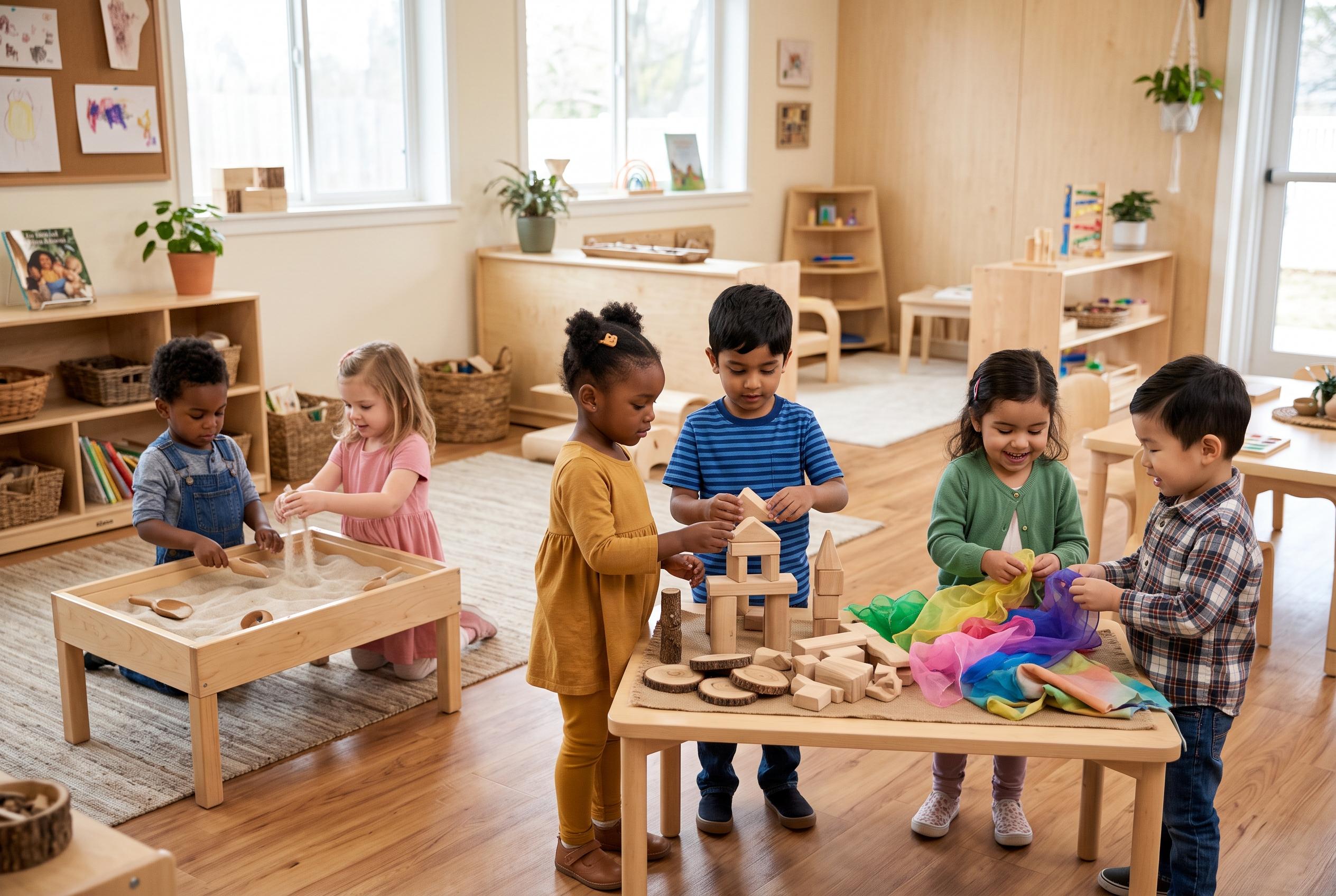
Play matters because it gives children a chance to practise without fear of failure. A game with blocks can sharpen coordination and problem-solving. Pretend play can strengthen language and imagination. Group games can teach turn-taking, cooperation and patience. The Cleveland Clinic notes that sensory play, from messy textures to music and movement, can also support emotional regulation as well as cognitive and physical development. In other words, what looks like simple fun is often doing serious developmental work.
That wider definition of learning is important because early childhood is about far more than letters and numbers. Children are also working out how to relate to others, manage frustration and express what they feel. The Children’s Lifetime resource on play describes it as child-led, joyful and voluntary, and says it changes as children grow from simple sensory exploration into more complex social play. Those stages matter because they help children build the habits they will need later in school and in life.
Confidence usually grows in small steps. A child who finishes a drawing, speaks up in a group or keeps trying after making a mistake is learning that effort has value. Educators and parents can reinforce that by praising persistence rather than only outcomes. The NSW department says play-based learning gives children space to explore, question and discover, which helps them develop resilience as well as curiosity. That approach also leaves room for different personalities, whether a child prefers to observe first, talk constantly or learn through movement.
The central lesson is simple: children do not need pressure to grow. They need room to explore, adults who notice their progress and settings that make learning feel safe and enjoyable. When early learning is built around curiosity rather than comparison, children are more likely to stay engaged, build confidence and develop the skills that matter most.
Disclaimer: This content is for informational purposes only and is not intended to be a substitute for professional medical judgment, advice, diagnosis, or treatment.