
Comprehensive guidance highlights early planning, visual tools, and communication strategies to support children with special needs during the school return, helping families navigate the challenging transition with confidence.
For many families, the return to school is a test of routine as much as readiness. For children with special needs, the shift from summer’s looser pace to a more structured day can bring anxiety, sensory overload and behaviour changes, particularly when several adjustments arrive at once. Preparation done early and in small steps can ease that pressure, according to guidance from Parenting Special Needs, which argues that predictability and practice often matter as much as academic readiness.
One of the most effective starting points is the home routine. Autism Spectrum News and CTI Pediatrics both recommend beginning several weeks before school starts, gradually moving bedtime and wake-up times earlier in small increments rather than trying to reset a child overnight. Practising the morning sequence in advance, from getting dressed to packing a bag and leaving on time, can reduce friction on the first day and help children build confidence in what comes next.
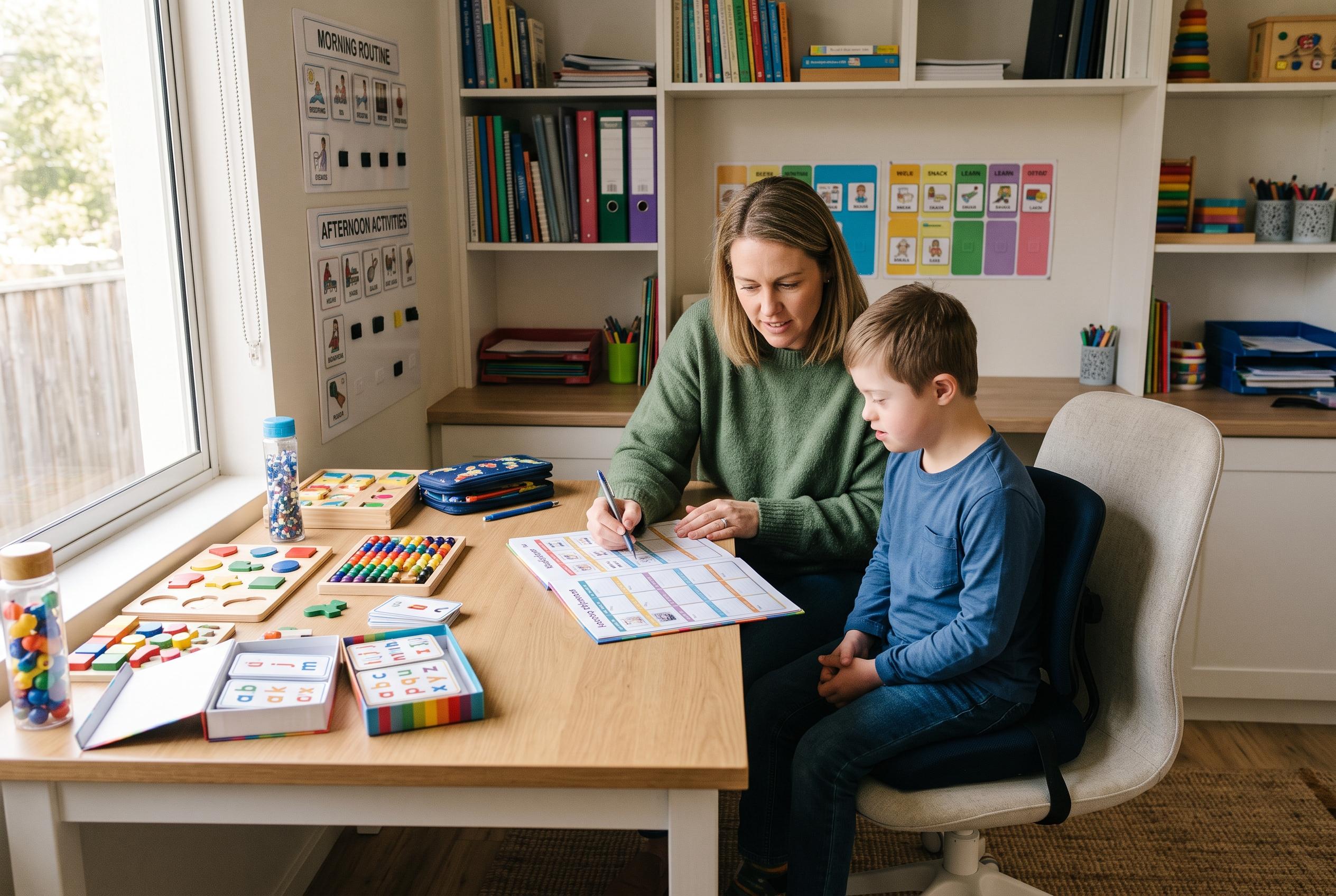
Preparation can also be practical and visual. Special Needs Alliance advises families to tour the school before classes begin, so children can see the classroom, cafeteria, gym and restrooms before they are expected to navigate them under pressure. The group also recommends meeting teachers and support staff, while CTI Pediatrics suggests using visual schedules, quiet timers and clothes laid out the night before to make the day feel more manageable. For some children, photos and social stories can turn an abstract return into something concrete and familiar.
At home, parents are encouraged to rehearse the skills the school day will demand. Parenting Special Needs highlights small but useful tasks such as opening lunch containers, using utensils, washing hands independently, waiting for a turn, following directions and moving between preferred and non-preferred activities. The article also stresses transportation practice, including bus safety, seat belts and crossing streets, as well as sensory preparation for noisy halls, crowded rooms and other triggers that can unsettle a child.
Communication with the school matters too. LD OnLine says parents should organise paperwork, keep school records together and maintain a calendar for meetings and events, while also staying in regular contact with teachers and therapists. Sharing information about medical needs, communication methods, sensory sensitivities, triggers and successful behaviour strategies can help staff respond consistently. Where private therapists and school teams are able to coordinate, children may benefit from a more unified approach to support at home, in clinic and in class.
Even with good planning, the adjustment period may still be bumpy. Child Mind Institute notes that children with learning or mental health challenges often struggle with the jump to a highly structured schedule and the separation from parents, so calm, steady expectations can help. Parents, too, need room for imperfection. A difficult morning or a rough first week does not mean the transition has failed; it usually means the family is still settling into a new routine, one step at a time.
Disclaimer: This content is for informational purposes only and is not intended to be a substitute for professional medical judgment, advice, diagnosis, or treatment.