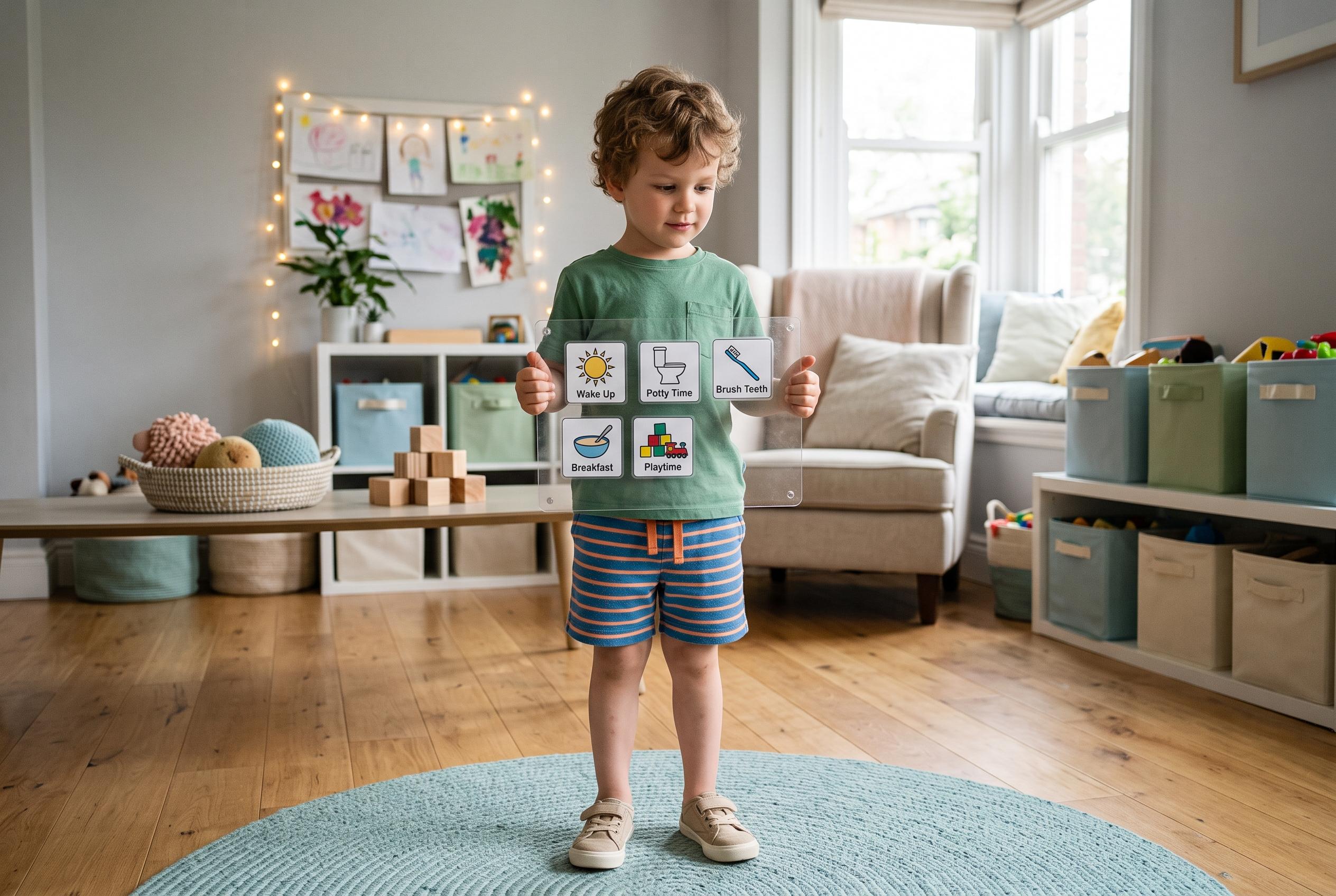

Preparations at home, including routines, visual aids, and sensory planning, are helping children with autism adapt more smoothly to preschool, supported by ABA strategies and collaboration with educators.
Starting preschool can be especially difficult for children with autism, but preparation at home can make the change feel less abrupt and more manageable. ABA Centers NJ says families should focus on a simple morning sequence rather than trying to rehearse the whole school day. A short routine such as waking up, dressing, eating, packing a bag, travelling and saying goodbye can help turn a new experience into something more predictable.
The same approach applies to communication and sensory needs. Instead of treating tears, refusal or shutdown as misbehaviour, families are encouraged to look at what the child may be trying to communicate. A noisy room, a rushed goodbye or a confusing instruction can quickly overwhelm a young child. Guidance from other ABA providers also supports easing children into new settings with visual aids, familiar routines and step-by-step preparation before the first day.
Helping a child ask for help is another important part of the transition. ABA Centers NJ recommends practising a few high-use messages, including “Help”, “Break”, “All done” and “Bathroom”, whether a child uses speech, gestures, pictures or a communication device. The centre also suggests creating an “All About Me” summary for teachers that sets out the child’s interests, strengths, preferences and support needs so educators can respond more effectively from the start.
Sensory planning matters as well. Preschool can bring bright lights, loud hallways, crowded rooms and unexpected touch, all of which can be hard for children who are sensitive to noise or movement. ABA providers say useful supports may include headphones, a quieter space, a familiar object or a clear way to ask for a pause. The aim is to prevent overload rather than waiting for a child to become distressed.
Applied behaviour analysis, or ABA, can support this transition by breaking school expectations into small skills that can be practised gradually. That can include following a visual schedule, waiting briefly, asking for help, tolerating small changes and managing arrival, cleanup, toileting and group activities. Positive reinforcement can help children build confidence, while coordination between parents, therapists and teachers can keep communication supports consistent. With parental consent, ABA Centers NJ says early intervention staff and school teams can also share assessments, strategies and Individualized Family Service Plan information as schools prepare an Individualized Education Program.
Disclaimer: This content is for informational purposes only and is not intended to be a substitute for professional medical judgment, advice, diagnosis, or treatment.