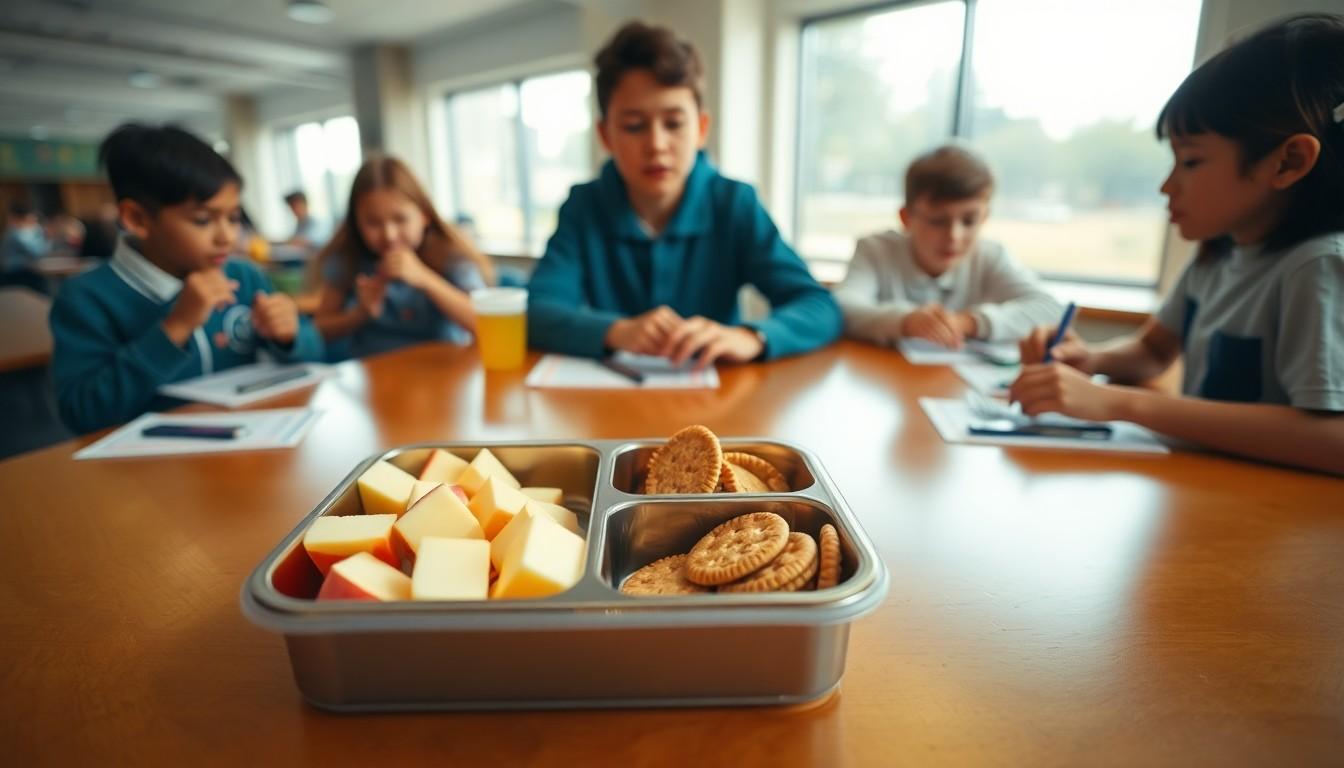

Nutrition experts emphasise a flexible, balanced approach to school lunches centred on familiar foods and practical packaging, helping children eat better without the stress of perfection.
Packing a school lunch that returns home untouched can feel dispiriting, but nutrition experts say the answer is rarely to chase perfection. The real aim, according to Mikie Rangel, a clinical registered dietitian at Children’s Health in Dallas, is to build a lunch a child can reasonably finish, enjoy and manage in the time allowed. That means thinking less about internet-friendly presentation and more about food that provides enough energy, is simple to open and suits the child in front of you.
Rangel’s approach is rooted in balance rather than rigidity. She recommends covering five basics: protein, a whole grain or other high-fibre carbohydrate, fruit or vegetables, dairy or a healthy fat, and water. The idea is straightforward: carbohydrates help fuel the brain and body, while protein and fats improve staying power. Fruit and vegetables contribute fibre, vitamins and minerals, and dairy foods such as yoghurt, cheese or milk add calcium and more protein. Children’s Health, Harvard Health and Mayo Clinic Health System all echo that broad framework, encouraging lunches that draw from the main food groups rather than relying on a single item.
The best lunch, however, is one that actually gets eaten. Rangel suggests building around foods children already like, then adding something small and familiar enough that they are not overwhelmed. Johns Hopkins Medicine offers similar advice for picky eaters, recommending that parents avoid turning lunch into a daily battleground. A deconstructed sandwich, a bento-style box or separated items may work better than a mixed meal for children who dislike foods touching, while dips such as hummus or yoghurt-based dressings can make vegetables feel less threatening.
Practicality matters as much as nutrition. School lunches are often eaten quickly, and children may struggle with containers that are awkward to open or portions that are too large for the time they have. That is why dietitians frequently advise parents to test lunchboxes at home, pre-cut fruit and choose packaging children can manage independently. GoodRx and other nutrition guides also note that simple combinations, such as turkey and cheese on whole-grain bread, yoghurt with berries, or crackers with hummus and fruit, can meet the same goals without demanding much extra work in the morning.
Parents are also encouraged to treat leftovers with a little curiosity rather than disappointment. Uneaten food can reveal whether a child needed more time, found a container difficult to open, or simply was not interested in the temperature or texture of the meal. Asking neutral questions can help identify a fix, whether that means smaller portions, less elaborate packaging or a different mix of foods. That same principle appears in guidance from Children’s Health, Mayo Clinic Health System and Harvard Health, which all stress that involving children in lunch planning can improve the odds of a meal being eaten.
In practice, the most effective school lunch strategy is usually the least dramatic. Offer a few dependable options, rotate them, and let children help choose between two acceptable foods rather than making them start from scratch. Vitacost and other diet-focused guides frame healthy eating as a long process rather than a single perfect meal, and that is the point Rangel makes as well: one lunch is not the measure of success. Over time, consistency, familiarity and a little flexibility matter more than getting every box exactly right.
Disclaimer: This content is for informational purposes only and is not intended to be a substitute for professional medical judgment, advice, diagnosis, or treatment.