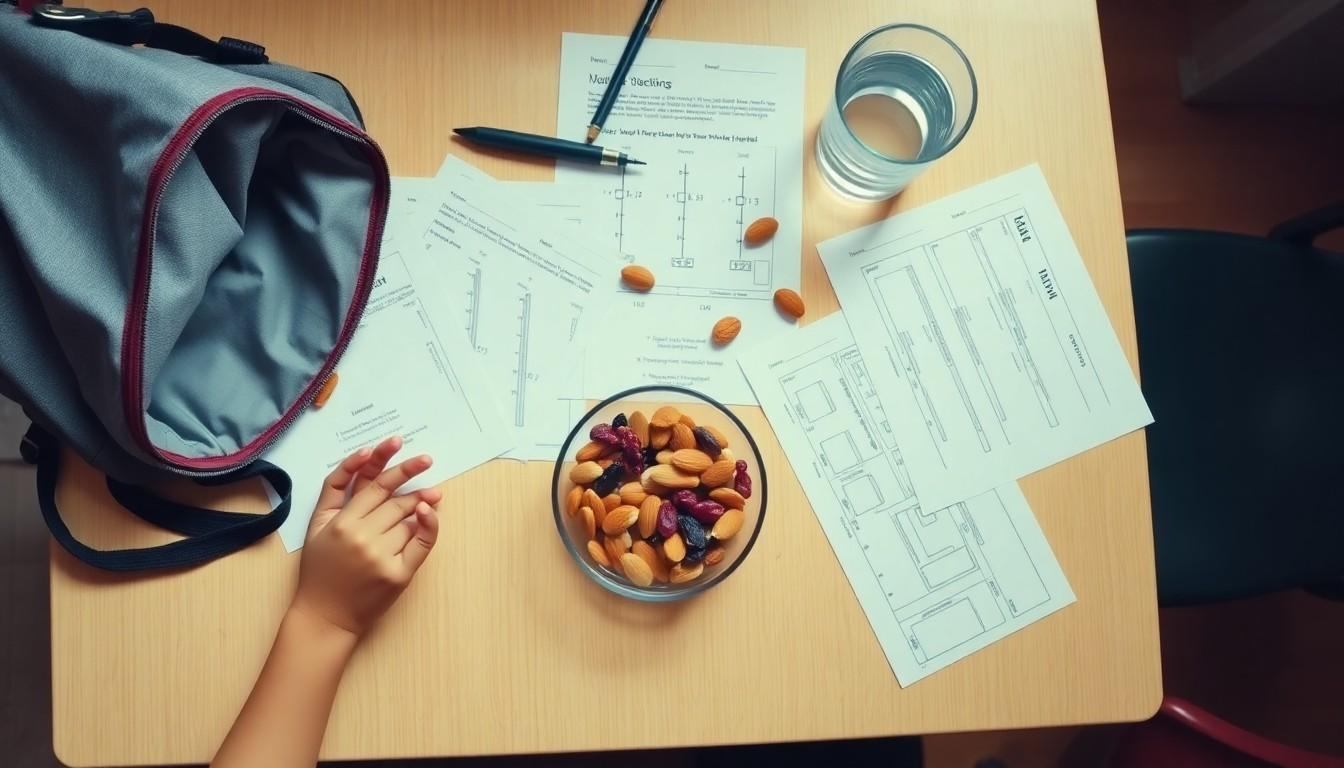

A small serving of nuts and dried fruit before homework can help children stabilise energy, improve concentration, and reduce stress, according to latest nutritional insights.
For many families, the after-school hour is where the day unravels: children are tired, hungry and expected to concentrate just when their energy is lowest. A well-timed snack can make that transition easier. The original piece argues that a small portion of nuts and dried fruit, eaten shortly before homework, can help steady energy, support focus and make frustration easier to manage.
The reason is largely physiological. After several hours at school, a child’s glucose reserves are under pressure, concentration naturally dips and stress can feel more intense. Nutrition sources cited in the related material say that magnesium, B vitamins, omega-3 fatty acids and antioxidants all play a part in moderating the body’s stress response, while a stable blood sugar level helps children approach tasks more calmly and with better mental endurance.
Among the most useful options are walnuts, almonds and cashews. The source material highlights walnuts for their omega-3 content and antioxidant compounds, almonds for magnesium and vitamin E, and cashews for magnesium and tryptophan. Health and nutrition guides also note that magnesium-rich foods such as nuts and seeds may help lower cortisol, the body’s main stress hormone, while B vitamins support energy metabolism and neurotransmitter production.
Dried fruit can complement that effect by supplying quick but still relatively balanced energy. The article points to dates, dried apricots and raisins as practical additions because they provide natural sugars alongside fibre, potassium, iron and other micronutrients. Paired with nuts, they slow the energy release enough to avoid the sharp rise and crash associated with sweeter snacks such as biscuits, sweets or sugary drinks.
The timing matters as much as the ingredients. The guidance in the piece suggests serving the snack around 15 to 20 minutes before homework begins, ideally after a short break from school but before the child is asked to sit down and concentrate. That pause, the article says, can also act as a psychological switch from school mode to study mode, especially if the snack is eaten without screens or other distractions.
For children who cannot eat nuts, the same basic idea can be carried over with seeds. Pumpkin seeds, sunflower seeds and hemp seeds offer a similar mix of minerals and healthy fats, and nutrition sources cited in the related material also identify seeds as useful for magnesium, vitamin E and stress support. The article also advises caution with very young children and with any known allergy, where medical advice should come first.
The broader point is that homework stress is not only a discipline issue; it is often a matter of timing, fuel and fatigue. Parents do not need elaborate solutions to see a difference. A modest, routine snack of nuts, seeds and dried fruit, alongside water rather than juice, may be enough to help a child settle, think more clearly and approach the evening’s work with less strain.
Disclaimer: This content is for informational purposes only and is not intended to be a substitute for professional medical judgment, advice, diagnosis, or treatment.