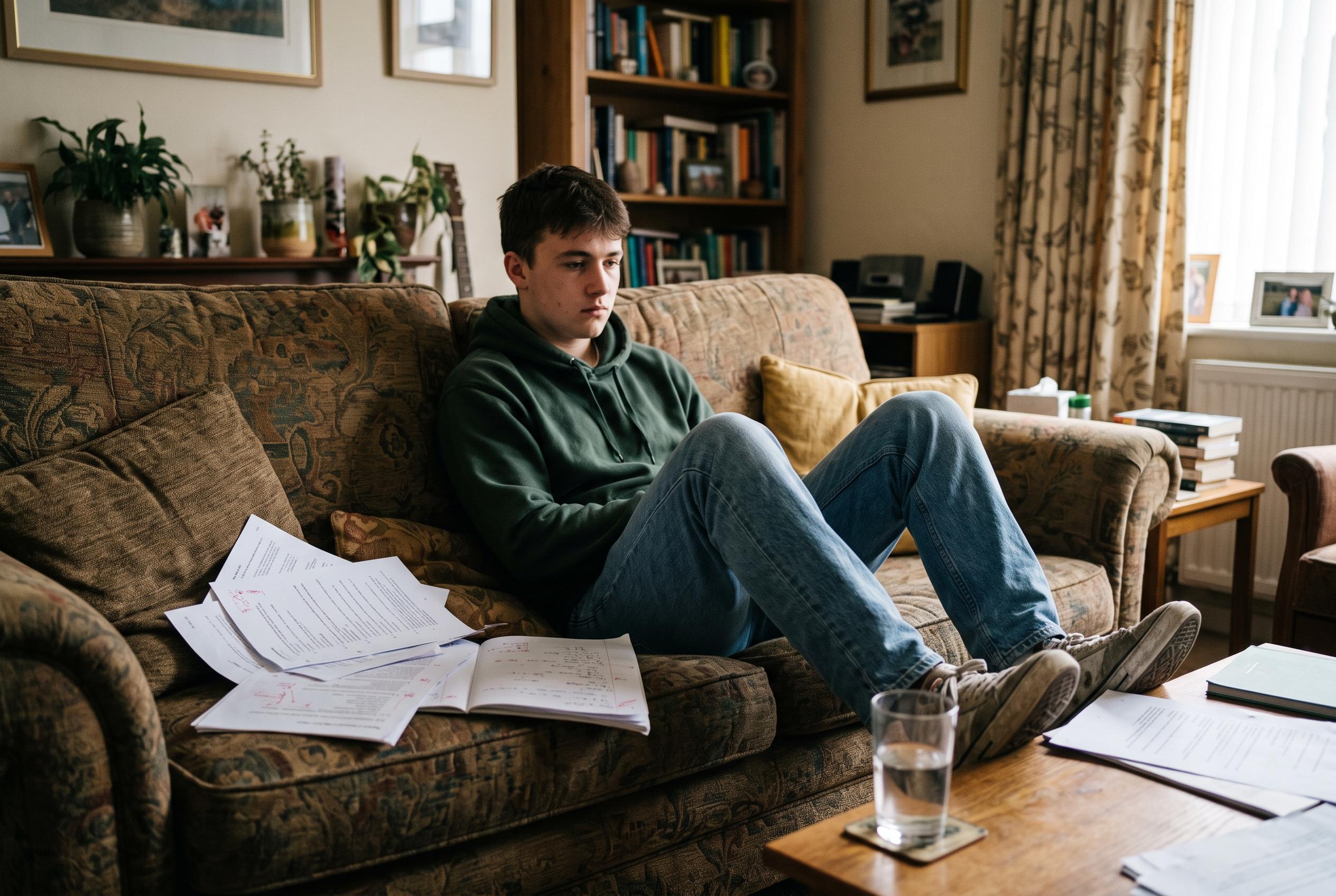

Family psychologist Yekaterina Madenko explains that pupils’ emotional distance and loss of interest after exams are more likely signs of burnout than laziness, urging parents to support rather than criticise during their recovery.
A sharp sense of apathy in school leavers after exams and university admission may be less a sign of laziness than of emotional burnout, family psychologist Yekaterina Madenko told KP.RU. She said this year’s admissions season has been especially tense, with parents increasingly worried not about where their child will study, but about why the teenager seems to switch off once the outcome is secured.
After months of revision and pressure, many young people have been living in a state of constant alert. Other coverage on student burnout points to the same pattern: sustained academic strain, heavy workloads and too little rest can leave pupils emotionally, mentally and physically drained, while the sudden loss of deadlines and structure after exams can be disorientating. That combination can help explain why some graduates feel flat, restless or oddly directionless once the pressure drops.
Madenko said burnout in teenagers can show itself in emotional distance, one-word answers, a tired sort of cynicism and a loss of interest in things that previously mattered. She said the difference from ordinary tiredness is that the feeling does not lift after a good sleep or a quiet weekend. Persistent exhaustion, disturbed sleep, headaches, appetite changes and a loss of enthusiasm for favourite activities are all warning signs that parents should take seriously.
Her advice is to ease off rather than intensify the pressure. For a period, she recommended removing demands and allowing a genuine break, with sleep, walks, water, ordinary conversation and a change of scenery doing more good than another round of self-improvement challenges. She also urged parents to avoid remarks such as “pull yourself together” or “other people cope”, saying they tend to deepen guilt rather than revive energy. Psychology writers have made a similar point about the emotional drop that can follow major milestones: when the strain finally ends, the body and mind sometimes need time to catch up.
Light fatigue may fade within 2 or 3 weeks, but genuine burnout can take much longer to unwind. The broader message from psychologists writing on post-exam distress and post-graduation letdown is that the slump is usually a response to prolonged strain and a sudden change in rhythm, not a character flaw. In that sense, the best response is not criticism, but patience and support.
Disclaimer: This content is for informational purposes only and is not intended to be a substitute for professional medical judgment, advice, diagnosis, or treatment.