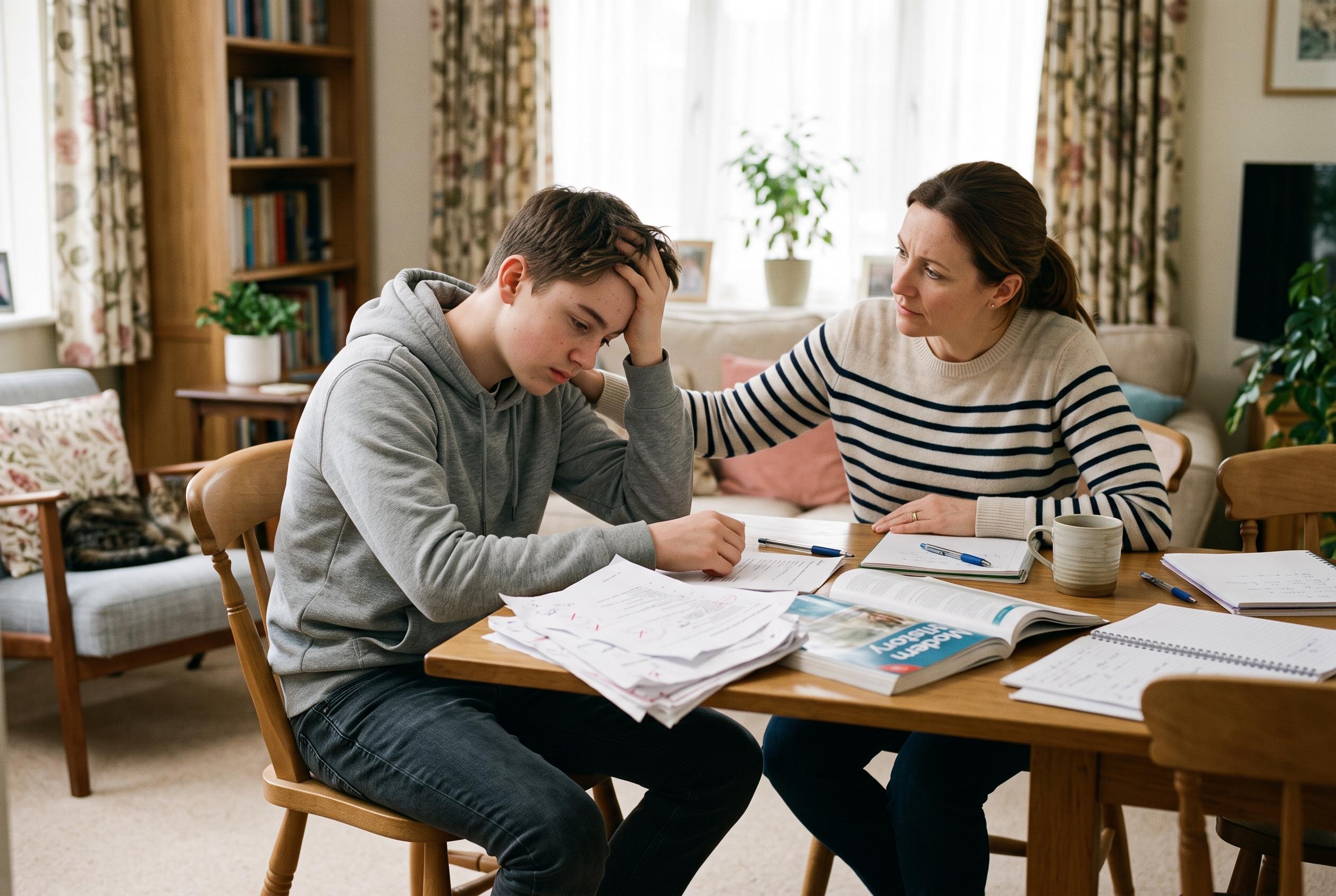

Family psychologist Yekaterina Madenko highlights that a slump in motivation and withdrawal after exams often signals emotional burnout rather than laziness, demanding understanding and support from parents.
A sudden slump in motivation after exams and admission decisions is not always a sign of laziness, family psychologist Yekaterina Madenko told KP.RU. In some teenagers, she said, the crash that follows months of intense preparation is more consistent with emotional burnout than simple fatigue.
Madenko said this year’s admissions season has been especially tense, with parents increasingly seeking help not because they are unsure where a child should study, but because the teenager appears to shut down after being accepted. She described the period leading up to exams as one of constant psychological pressure, when young people stay in a near-permanent state of mobilisation.
Signs of burnout in adolescents can include emotional detachment, brief or clipped replies, weary cynicism and a loss of interest in activities they once enjoyed. According to Madenko, the difference from ordinary tiredness is that rest does not restore energy. If a teenager sleeps heavily but still feels drained, or develops headaches, disrupted sleep or appetite changes, parents should take the shift seriously.
The advice, she said, is to ease expectations for a while and give the young person a genuine break without piling on new goals. Sleep, walking, water, conversation and a change of scene can help, but not another self-improvement drive. Madenko also warned against phrases such as “pull yourself together”, “others manage” and “you are just being lazy”, saying they can deepen guilt rather than encourage recovery.
Education and psychology reports echo that pattern more broadly. Student burnout is often linked to sustained academic pressure, competing responsibilities and too little rest, while the abrupt loss of routine after exams can leave young people feeling unanchored. Articles on post-graduation letdown make a similar point: once the ordeal is over, the drop in adrenalin and the absence of a clear next target can trigger sadness, confusion or even depression.
Madenko said mild overexertion may ease within 2 to 3 weeks, but true burnout can take much longer to reverse. The point, she suggested, is not to treat the episode as a character flaw but as a strain response that needs time, patience and support.
Disclaimer: This content is for informational purposes only and is not intended to be a substitute for professional medical judgment, advice, diagnosis, or treatment.