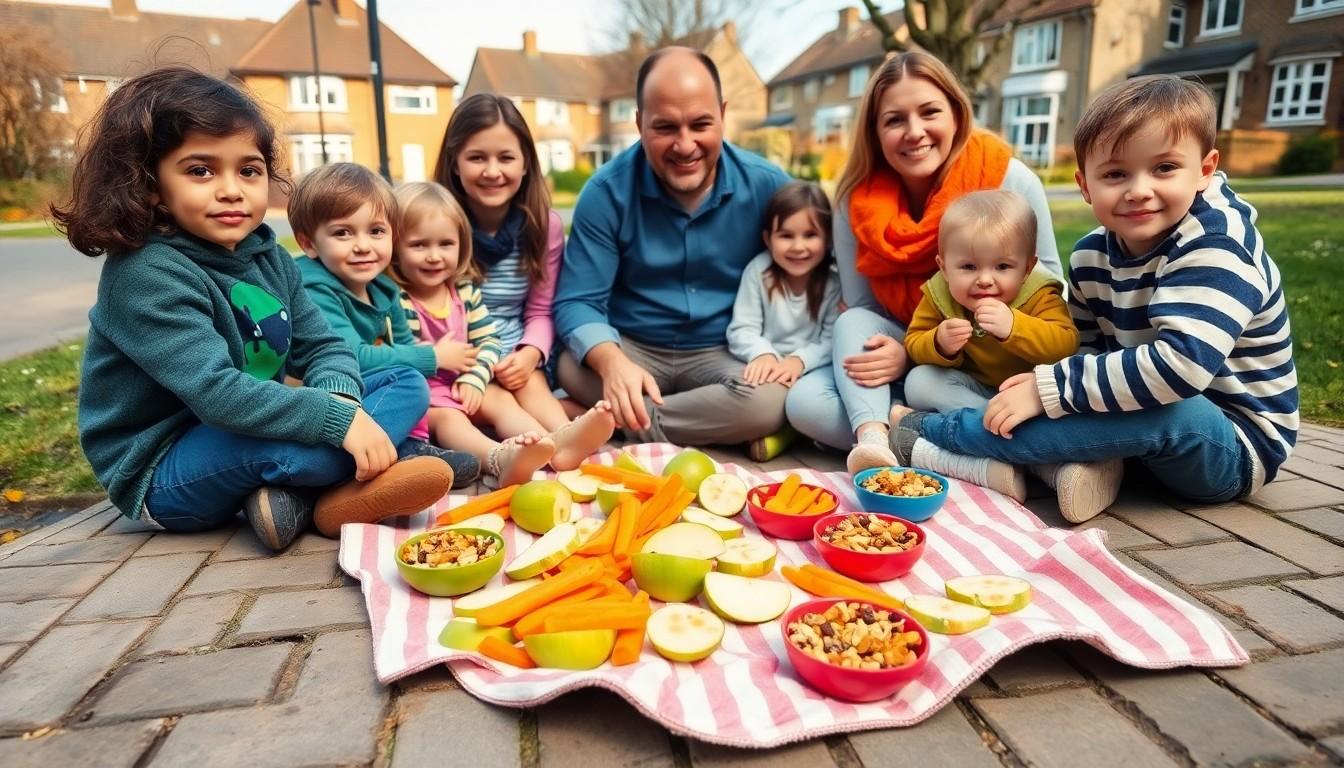

Recent guidance from health organisations emphasises the importance of fibre, protein, and appealing presentation in children’s snacks to support their energy levels and development, encouraging practical and colourful options over heavily processed foods.
Healthy snacks can do more than take the edge off hunger between meals: they can help children stay alert, steady their energy and support growth. Nutrition guidance from Cleveland Clinic, Rady Children’s Health, Akron Children’s Hospital and the California Childcare Health Program all points in the same direction: the best snacks are simple, balanced and built around whole foods rather than heavily processed, sugar-laden products.
For parents, the easiest place to start is with the combination of fibre and protein. That pairing helps a snack feel satisfying for longer, and it is one reason dietitians often recommend starting with fruit, vegetables or whole grains and then adding yogurt, cheese, nut butter, eggs or another protein source. A bowl of whole-grain cereal with milk and fruit, for example, or apple slices with peanut butter, ticks several boxes at once.
Making snacks appealing matters too. Healthline notes that children are often more willing to eat healthy food when it looks colourful, playful and varied. That can mean fruit skewers, vegetable sticks arranged with a dip, yoghurt with berries, or wholemeal pita pockets filled with vegetables. The point is not elaborate presentation for its own sake, but giving children something familiar enough to accept and interesting enough to enjoy.
Portion size and preparation are also part of the picture. The California Childcare Health Program advises choosing fruit in forms that are easy and safe for children to eat, including sliced apples, bananas and ripe stone fruit cut appropriately. Dried fruit can work as well, though it is best used in modest amounts alongside other foods rather than as the only snack. Small, practical choices like these help keep snacks nutritious without making them fussy.
Store-cupboard favourites can still have a place, provided they are chosen carefully. GoodRx recommends snacks such as wholegrain crackers with cheese, hummus with vegetables, roasted chickpeas and air-popped popcorn, all of which offer more staying power than sweets or crisps alone. The broader lesson across the guidance is that parents do not need to build every snack from scratch; they just need a reliable mix of fibre, protein and healthy fats.
The simplest approach is often the most sustainable: keep a few staple foods on hand, rotate them through the week and let children have a say in what goes on the plate. A snack does not need to be perfect to be useful. If it combines a whole grain, a fruit or vegetable, and something protein-rich, it is already doing far more than satisfying a craving.
Disclaimer: This content is for informational purposes only and is not intended to be a substitute for professional medical judgment, advice, diagnosis, or treatment.