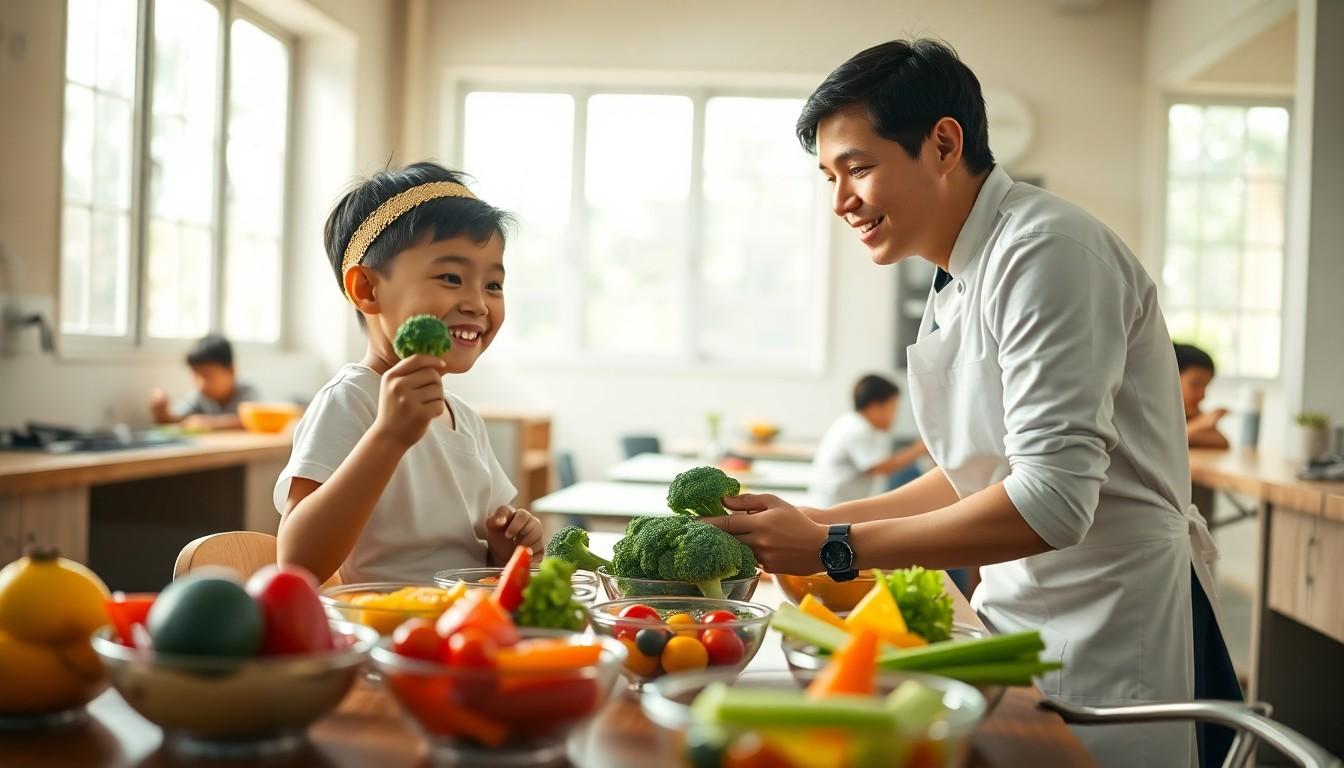

Khristianne Uy, known as Chef K, reveals how repetition, familiarity, and a touch of theatre can turn hesitant eaters into adventurous tasters, championing a low-pressure and inclusive mealtime strategy.
Celebrity private chef Khristianne Uy, better known as Chef K, says winning over children’s palates is less about strict rules than about repetition, familiarity and a little bit of theatre. In an as-told-to essay for Business Insider, the Los Angeles-based cook said she has learned over years of working in private homes that mealtimes are about much more than food: they are part of family routines, moods and milestones. Her approach, she said, is designed to make children feel included rather than pressured, and to turn even cautious eaters into willing tasters.
One of her first tactics is to build what she calls “forever” and “never” lists for each child, allowing them to record the foods they already enjoy and the foods they reject. Uy says the point is to give children a sense of ownership, while keeping the experience playful enough that they may be more willing to try something unfamiliar. She also uses colour-coded guidance in the kitchen, with green and yellow foods forming the basis of most meals and red reserved for less healthy options.
That emphasis on familiarity aligns with advice from the US Centers for Disease Control and Prevention, which recommends serving new foods alongside items children already like and repeatedly offering healthy foods even after an initial refusal. Uy follows a similar principle when consulting for new clients, starting by looking through the pantry to identify established favourites. If a family already leans heavily on mac and cheese, for example, she may introduce brown-rice pasta rather than cutting the dish out entirely.
She also tries to make the kitchen feel welcoming. Uy said she grew up with warmth and closeness around cooking, and she brings that same tone to the families she works with. Rather than forcing a child to taste something new, she prefers to model curiosity herself, tasting the food in front of them and letting them decide whether they want to join in. That approach is consistent with guidance from the CDC, PBS and other parenting resources, which stress that mealtimes are more successful when they stay positive, low-pressure and fun.
Making food look familiar is another of her go-to techniques. Uy said she might turn carrot sticks into something closer to fries by air-frying them and serving them with ketchup, or soften the idea of greens by folding them into dishes children already accept, such as lasagne. She also leans on cheese, dips and other known flavours to bridge the gap between a new ingredient and a child’s comfort zone. Health experts say this kind of gradual introduction, paired with small portions and repeated exposure, can help children become more receptive over time.
Uy’s final tip is to involve children in the process. She said letting them choose toppings, shape dishes or help assemble their own version of a meal gives them a stake in what ends up on the plate. In her view, that sense of participation can matter as much as the recipe itself. As she put it in the essay, the aim is not to trick children into eating differently, but to help them feel that trying something new is part of the fun.
Disclaimer: This content is for informational purposes only and is not intended to be a substitute for professional medical judgment, advice, diagnosis, or treatment.