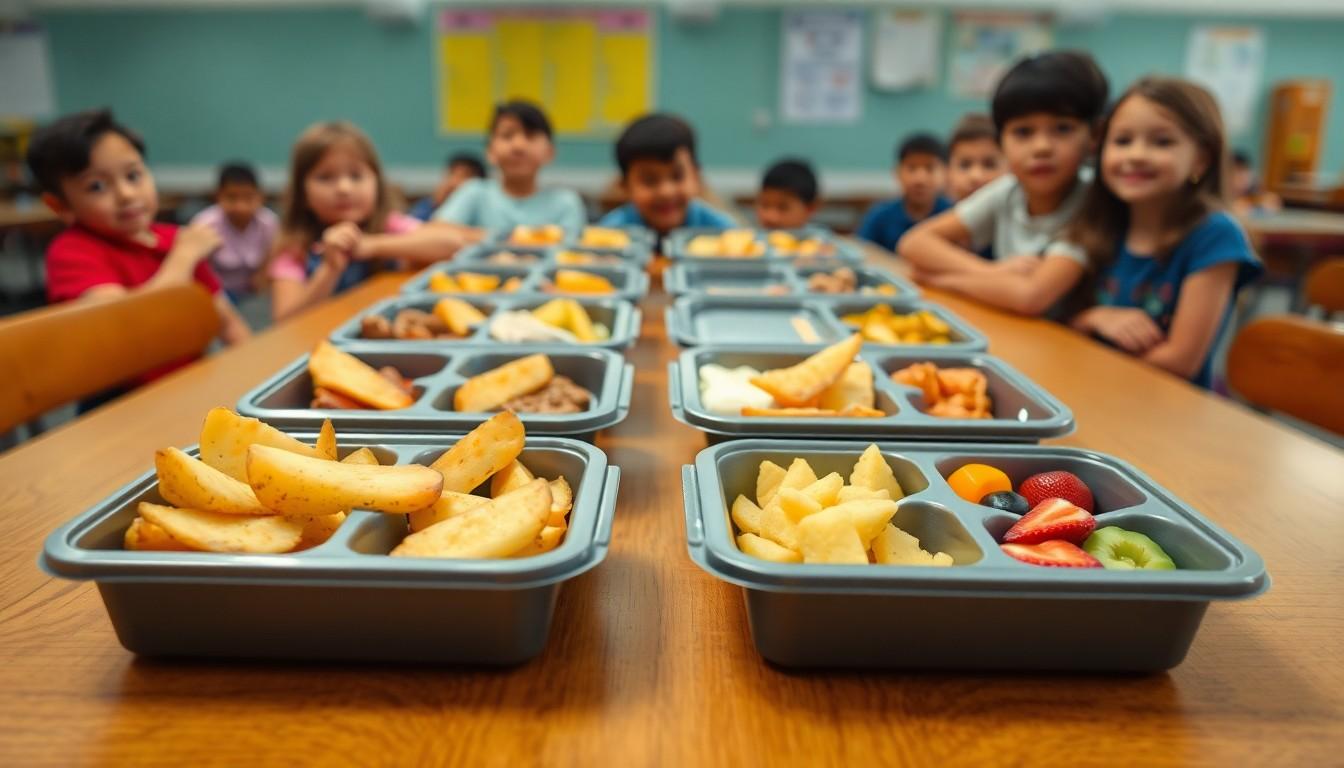

A viral clip revealing potato dishes in nearly every school lunch box sparks wider discussion about children’s midday meals, balancing practicality with nutritional needs amid diverse routines and budgets.
A short clip of a teacher opening school lunch boxes and finding potato dishes in almost every one has tapped into a wider debate about what children are actually eating at midday. The video, shared on X, showed a familiar scene for many families: aloo ki sabzi with roti in some boxes, aloo paratha in others. What might have been an ordinary glimpse into school-life quickly became a proxy argument about convenience, nutrition and how hard it is for parents to build balance into packed lunches.
According to the discussion that followed, the divide was not simply between those cheering for more protein and those defending potatoes. It also reflected the realities of morning routines, limited budgets and fussy eaters. Many parents said they prioritise food that children will finish rather than meals that look ideal on paper. Others argued that schools should play a bigger role in shaping better habits, with some pointing to structured meal planning as part of a broader public health approach. Nutrition experts generally agree that children need a varied diet that includes adequate protein alongside carbohydrates, fats, vitamins and minerals.
That does not mean potatoes deserve the scorn they sometimes receive online. Health information from Healthline notes that potatoes can contribute vitamin C, vitamin B6 and potassium, while also being a cheap, adaptable staple in many households. Preparation matters, too: baking or boiling tends to preserve more of their nutritional value than heavier frying methods. Even so, potatoes are not a substitute for more complete sources of protein, and children’s nutrition guidance from the Mayo Clinic and Children’s Health stresses that growing bodies need regular intake from foods such as dairy, eggs, lean meats, beans, lentils and nuts, in age-appropriate portions.
The online reaction showed just how personal the subject is. Some users recalled lunch boxes packed with sprouts, mixed vegetables or curd rice; others said their childhood lunches were built around whatever was affordable, filling and unlikely to come home untouched. That tension is unlikely to disappear soon. For many parents, the real challenge is not deciding whether potatoes are permissible, but how to make sure a child’s lunch is both eaten and nutritionally useful.
Disclaimer: This content is for informational purposes only and is not intended to be a substitute for professional medical judgment, advice, diagnosis, or treatment.