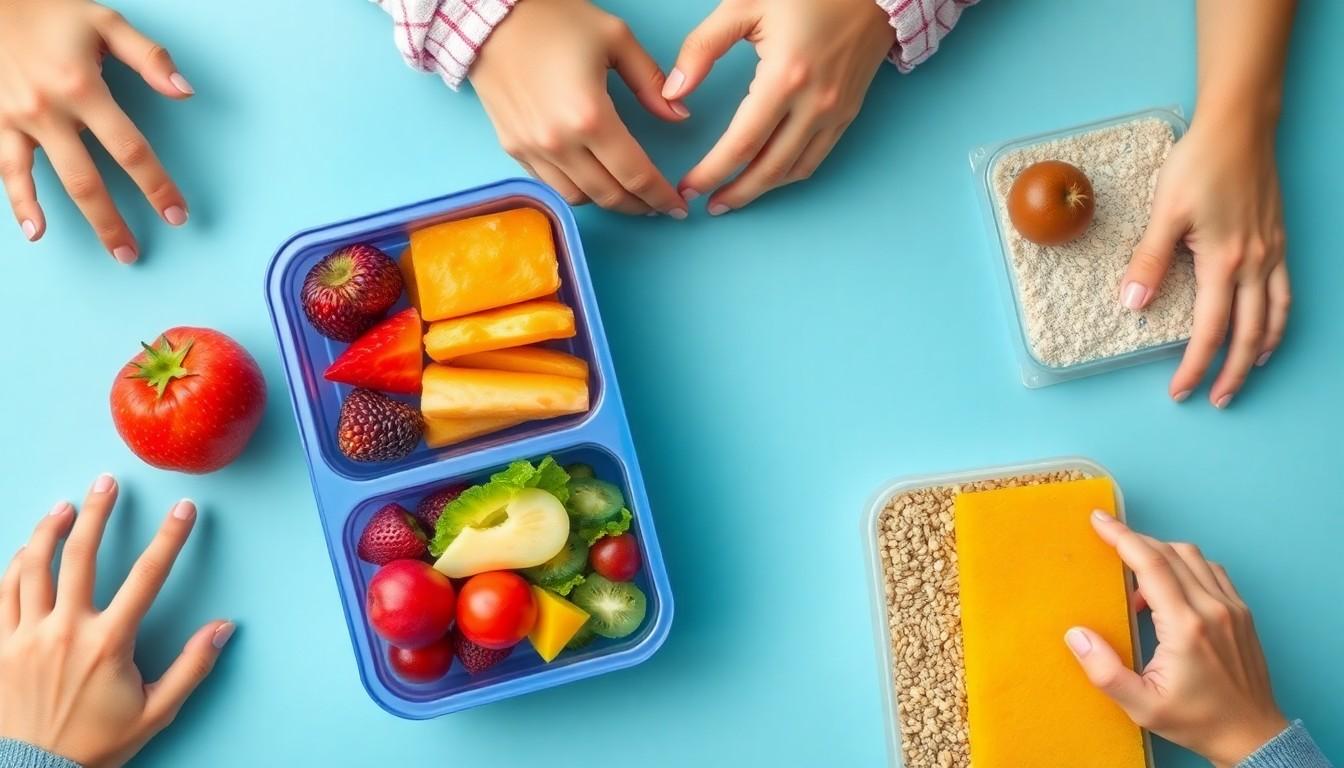

A practical system based on food groups and organisation can ease the daily challenge of packing school lunches, turning it into a manageable routine instead of a stressful task.
Packing school lunches gets easier when it stops being treated as a daily creative challenge and starts being run like a simple system. The Southern Savers advice is to build a loose framework around a few food groups , protein, dairy, starch, fruit and vegetables , and to aim for variety without overcomplicating the box. In practice, that might mean deli meat and cheese, a bag of crisps and a clementine on a rushed morning, rather than trying to assemble a flawless meal every day.
The most useful rule, according to the same guide, is to pack what children are likely to eat. That does not mean every lunch has to be perfectly balanced; it means avoiding the lunchbox power struggle that often ends with food coming home untouched. Other parents’ guides make a similar point, urging families to keep portions bite-sized, to cut fruit and vegetables in advance, and to accept that repeated, simple combinations often work better than ambitious meals that children reject.
Organisation is where many households save the most time. A fridge drawer or container reserved for lunch ingredients keeps those items from disappearing into family snacking, while a separate pantry space can hold shelf-stable lunch fillers such as crackers, granola bars and snack portions. Food Network also suggests creating snack bins children can help themselves from, which can make packing faster and give them some control over what goes in the box.
Planning ahead is another recurring theme. Southern Savers recommends packing lunches the night before, and other back-to-school guides go further by suggesting batch-prepared foods such as pasta, sandwiches, hard-boiled eggs and portioned fruit. Some parents even freeze sandwiches so they thaw by lunchtime, while frozen fruit can double as a cooling pack. That sort of make-ahead approach turns lunch prep from a morning scramble into a routine task.
The best systems also leave room for waste reduction. Southern Savers advises telling children not to throw away uneaten food, both so parents can see what is being left behind and so leftovers can sometimes be reused as an after-school snack or repacked later. The broader message across the lunchbox advice is that a “good enough” lunch, packed from a predictable system, is usually far more practical than chasing perfection every day.
Disclaimer: This content is for informational purposes only and is not intended to be a substitute for professional medical judgment, advice, diagnosis, or treatment.