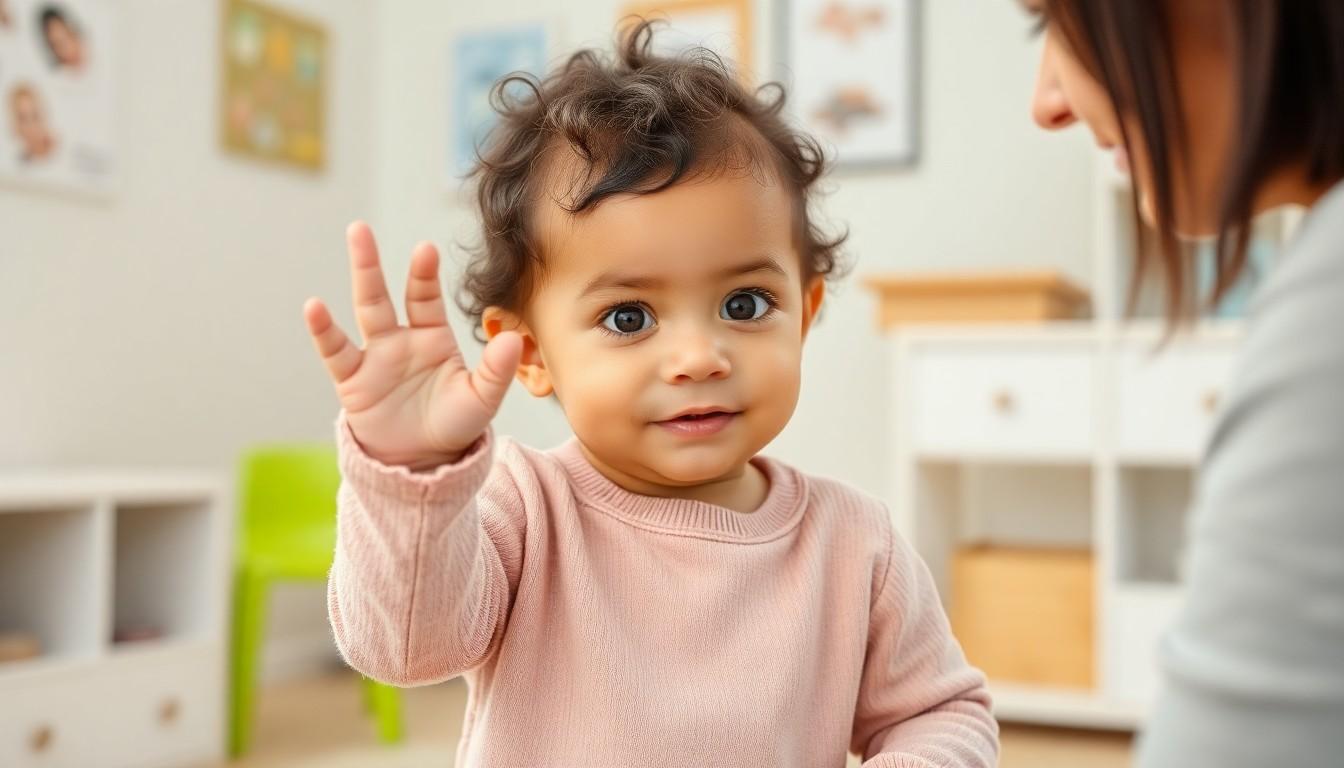

Expert guidance reveals how routine, consistency, and gentle goodbyes can help toddlers navigate separation anxiety when starting child care, easing distress through predictability and reassurance.
The first days of child care can expose a familiar ritual to fresh emotion: the toddler who was cheerful in the car is suddenly sobbing at the door. Developmental specialists say that is rarely a sign that anything is wrong. It is usually separation anxiety, a normal stage of early childhood that reflects a child’s growing understanding that parents leave and return. The condition often appears in the second half of the first year, can flare again in toddlerhood, and is especially common when a child is starting daycare or returning after time at home.
What makes the reaction so intense is that it arrives alongside genuine developmental growth. As children begin to grasp object permanence, they realise a parent still exists even when out of sight, which is reassuring in theory but upsetting in practice. The American Academy of Pediatrics says many children who were relaxed as infants become more distressed around 15 to 18 months, particularly when they are hungry, tired or unwell. Most children settle with time, and specialist guidance from child-health providers suggests the rough patch usually eases over a matter of weeks rather than months.
Experts are also clear about what tends to make things harder. Sneaking away may spare a scene in the short term, but it often deepens a child’s sense that goodbyes are unpredictable. Long, drawn-out departures can prolong the distress, while returning after an already difficult handover can reset the anxiety all over again. Child-development groups advise a different approach: a brief, warm and unmistakable goodbye, repeated consistently so the child learns that departure is temporary and return is certain.
Routine, predictability and a steady handoff do most of the work. A goodbye ritual, whether it is a hug, a phrase, a wave from the same spot or a silly handshake, gives the morning a shape a toddler can recognise. Some children benefit from a comfort object from home, such as a blanket or soft toy, although families should check nursery policy first. Zero to Three and early-years specialists also recommend handing the child directly to a familiar adult rather than leaving them to face a room full of strangers. Above all, the message needs to be the same every day: you are going, and you will come back.
Practising separations before the first full week can help too. The American Academy of Pediatrics advises rehearsing short absences with trusted relatives or friends, or easing into child care with visits and half-days where possible. Those small repetitions build the evidence a toddler needs. Each successful goodbye becomes one more example of a promise kept, and that matters more than any clever phrase or dramatic reassurance.
Parents often need reminding that their own composure matters as much as the child’s feelings. A worried face can signal that the situation is alarming, while a calm, matter-of-fact goodbye suggests this is simply part of the day. Most children stop crying within minutes of a parent leaving, caregivers say, and asking how the morning went can ease the adult’s anxiety without disrupting the child’s trust. Doctors recommend seeking advice if the distress remains severe for weeks, if the child is hard to settle even with a familiar caregiver, or if separation worries are accompanied by broader developmental concerns. In most cases, though, the pattern passes. As child-health guidance consistently notes, the tears at the door are usually a sign of attachment, not failure.
Disclaimer: This content is for informational purposes only and is not intended to be a substitute for professional medical judgment, advice, diagnosis, or treatment.