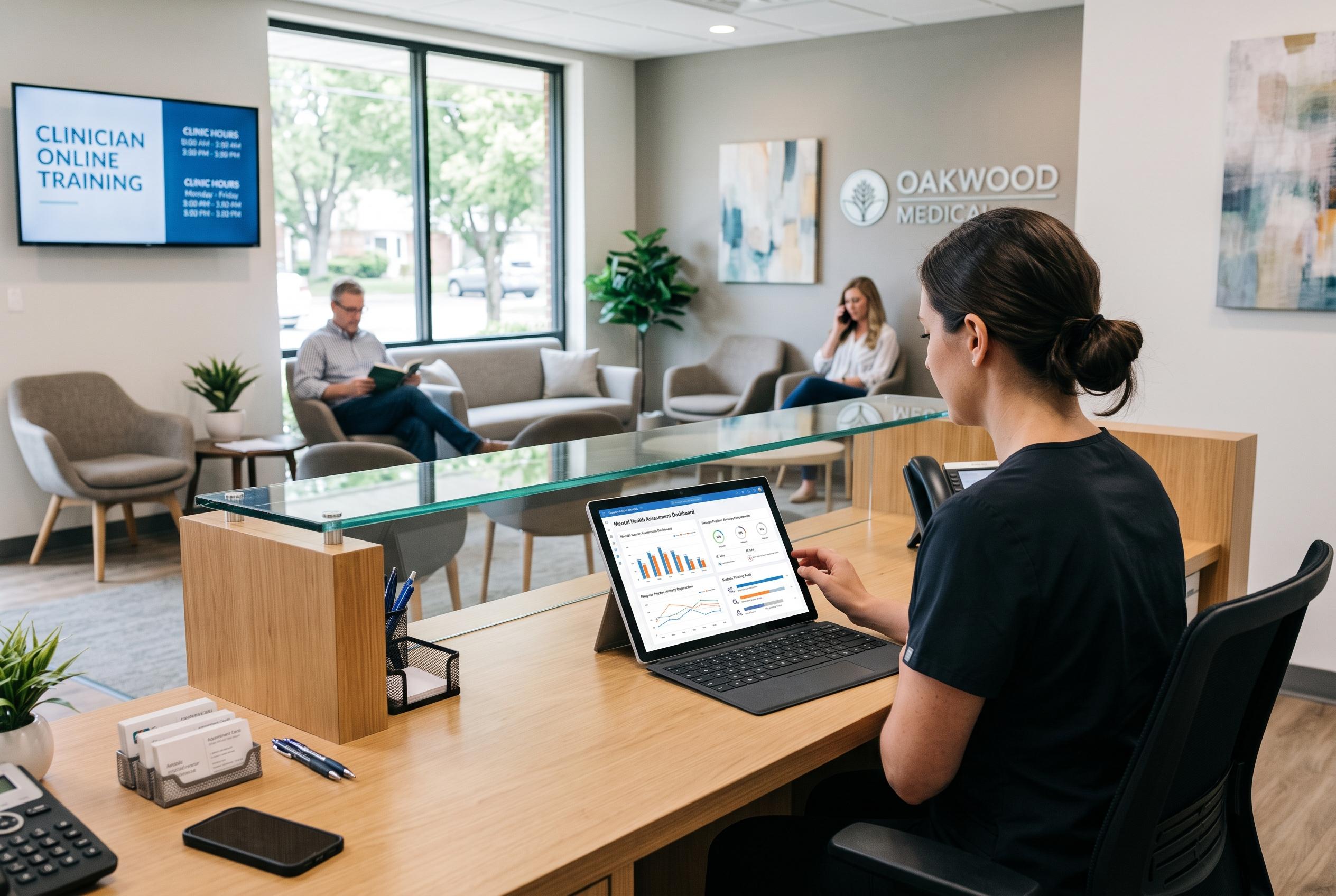

Emerging evidence suggests online education tools can enhance clinicians’ ability to diagnose mental health conditions, though their effectiveness depends on specific application and context , with some studies highlighting improved diagnostic accuracy when targeted at particular disorders.
Mental health disorders remain a routine part of primary care, yet they are still too often missed or picked up late. That gap has sharpened interest in whether online education can strengthen diagnosis for clinicians working in GP surgeries and community settings. The project outlined by Laidlaw Scholars looks at e-learning modules, virtual case simulations and other web-based training designed to improve diagnostic accuracy, confidence and knowledge, with the findings intended to feed into UCL’s eCREST tool.
That broader aim sits within a growing body of evidence that digital support can improve mental health care. A systematic review and meta-analysis published in 2020 found that digital interventions can help screen and manage common mental disorders in adults, particularly depression and anxiety, while another review in the Journal of Affective Disorders reported small to moderate benefits for depressive symptoms and some evidence of cost-effectiveness in primary care. The message from that literature is not that online tools replace clinicians, but that they can extend reach and offer support at scale.
Individual trials point in the same direction. A randomised clinical study of computerised cognitive behavioural therapy in primary care found that the online treatment improved outcomes compared with usual care, although adding internet support groups did not provide extra benefit. In younger patients, a randomised controlled trial of a mobile phone app in primary care suggested digital monitoring could improve assessment and management of mental health problems by sending information directly to general practitioners for review.
The newer focus, however, is not only on treatment but on diagnosis. A hybrid cluster randomised trial published this year found that online training for primary care doctors improved concordance with psychiatrists for anxiety and somatisation disorders, though the impact on depression was more limited. That kind of mixed result is important: it suggests online education may be most effective when it is targeted to particular diagnostic challenges rather than offered as a one-size-fits-all solution.
There are also limits to what digital screening can achieve on its own. A population-based randomised trial found that online mental health screening with feedback did not significantly increase the use of professional services, underscoring the difference between identifying possible need and changing behaviour. Taken together, the evidence suggests that online educational interventions are promising, especially where access to specialist teaching is thin, but their value will depend on design, clinical context and whether they are tied to real changes in practice.
Disclaimer: This content is for informational purposes only and is not intended to be a substitute for professional medical judgment, advice, diagnosis, or treatment.