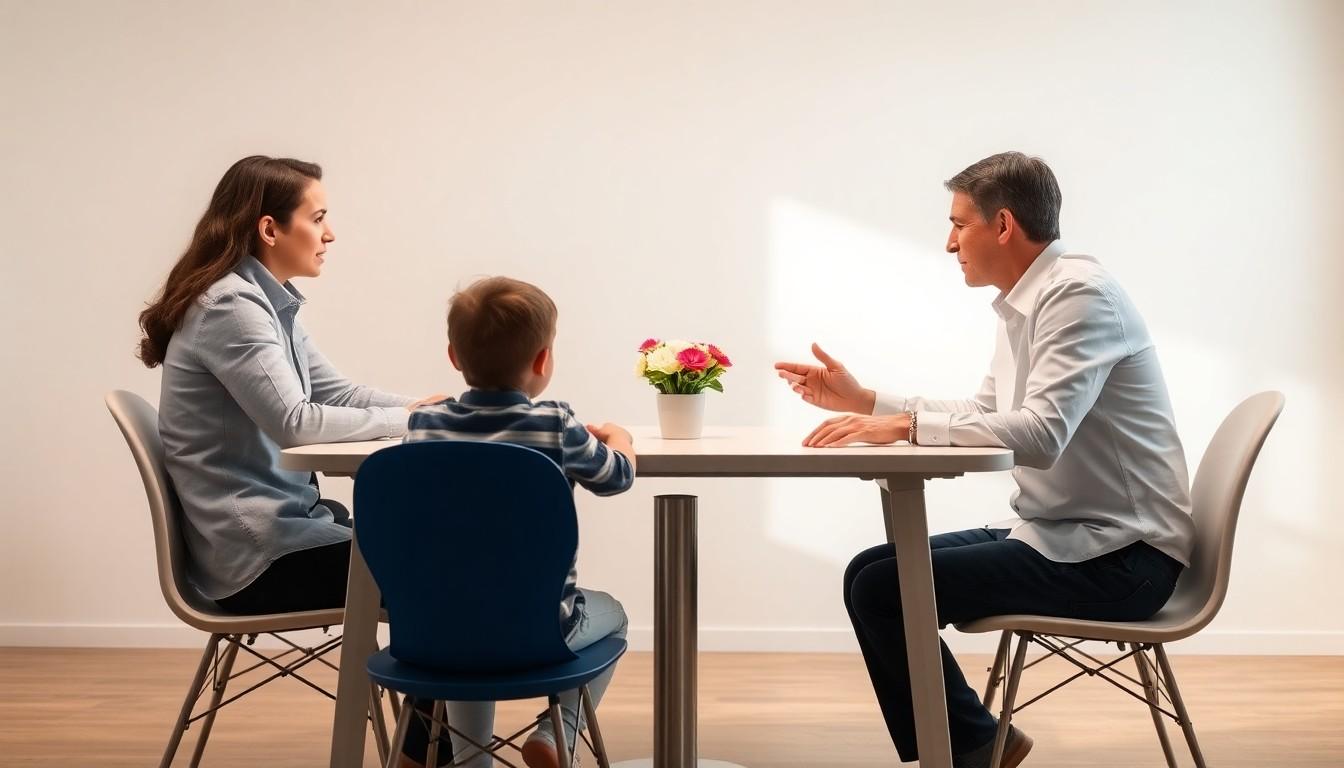

Expert advice highlights the importance of calm communication, routine stability, and emotional protection for children navigating family separation or divorce, offering practical strategies for parents to minimise distress and foster resilience.
For separated or divorcing parents, the most painful question is often not what will happen to their own lives, but what the change will do to their children. The concern is understandable: children may face new routines, two homes, altered relationships and emotional uncertainty. Yet paediatric guidance from Cleveland Clinic, the American Academy of Paediatrics and Yale Medicine all points to the same broad truth: children tend to cope better when adults manage the transition calmly, keep communication simple and protect them from conflict.
The first rule is to remember that children should be considered in the decision, but never made responsible for it. Older children may seem capable of weighing in, but asking them whether their parents should stay together or separate can saddle them with guilt and a sense of divided loyalty. Instead, parents should think about what the child is actually living with now: frequent arguments, fear, instability or emotional distance. The question is not whether a family can avoid every sadness; it is whether a child can move through change feeling safe, loved and free from adult pressure.
How the news is delivered matters almost as much as the decision itself. Health resources recommend that parents, where possible, tell children together, agree on the main message in advance and keep the explanation age-appropriate. Children do not need a detailed account of the breakdown, the finances or who caused what. They need reassurance that the separation is an adult choice, that they are not to blame, and that their practical world will be explained as soon as it is known. Clear answers about living arrangements, school and contact can ease fear, but parents should avoid promising outcomes that are not yet settled.
Children also need repeated reassurance about what will stay the same. Routine is often a powerful source of comfort during family upheaval, and specialists at Cleveland Clinic, Yale Medicine and the American Academy of Paediatrics all stress the value of consistency. School, friendships, activities, bedtime patterns and contact with extended family can all help anchor a child when home life is changing. Equally important is allowing a range of reactions. Some children cry or lash out straight away; others become quiet, clingy or withdrawn much later. Neither response is unusual, and both deserve patience rather than judgement.
One of the clearest pieces of advice from child-wellbeing experts is to keep children out of adult conflict. That means no asking them to pass messages, no using them to gather information, no criticising the other parent in front of them and no placing them in the middle of practical disputes. Where co-operation is possible, it works best when communication is direct, brief and child-centred. But in families marked by coercive control, abuse, substance misuse or serious conflict, structured arrangements such as parallel parenting or supervised contact may be safer than trying to force harmony that does not exist.
Parents also need to accept that co-parenting is not about mirroring each other perfectly. Younger children may need more predictable contact, while older children may need flexibility around school, friendships and growing independence. What matters most is whether the arrangement helps the child feel secure and able to live a full life. That may mean adjusting plans over time as children grow, work patterns change or new needs emerge. It also means parents looking after themselves: counselling, practical support and boundaries are not selfish luxuries, but part of becoming steady enough to parent well.
Separation does change a family, sometimes profoundly. But the family does not have to become a battleground. If adults reduce conflict, speak honestly, keep routines as stable as possible and refuse to make children carry burdens that belong to grown-ups, children are far more likely to adapt with confidence. They may grieve the loss of the old arrangement, but they can still feel deeply loved in the new one.
Disclaimer: This content is for informational purposes only and is not intended to be a substitute for professional medical judgment, advice, diagnosis, or treatment.