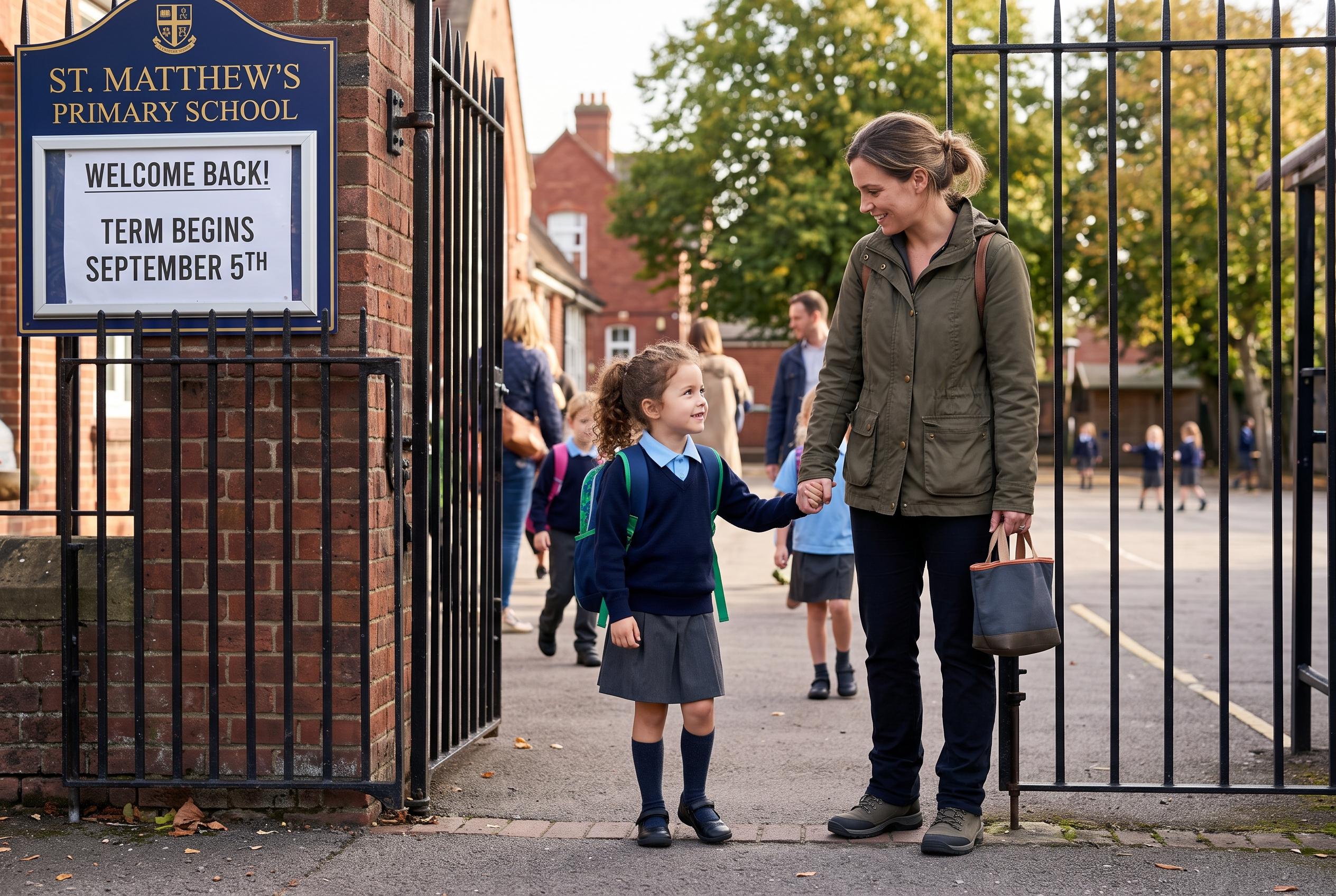

As the new school year begins, child health specialists emphasise that addressing social uncertainty early with practical preparations and emotional support can ease children’s transition and reduce anxiety, making the return to school less daunting.
As summer winds down, many parents focus on school supplies and schedules, but child health specialists say the bigger hurdle for many children is social uncertainty. Rachel Gagen, a paediatrician at Carilion Children’s Clinic in Virginia, said the return to school often stirs worries about friendships, classroom dynamics and the general shift back into a structured routine.
Experts at Johns Hopkins Medicine and the Kids Mental Health Foundation say the best preparation starts early, well before the first bell rings. They advise families to talk about the new school year in a calm, ordinary way, rather than waiting until the night before. Simple steps such as adjusting bedtimes, revisiting morning routines and making time for conversations about what children are looking forward to can help reduce the sense of a sudden leap into the unknown.
Many child health groups also recommend making the school building and surrounding routines feel more familiar. That can mean driving the route to school, visiting the playground or walking through the halls if the building is open. For older students, checking class schedules online, borrowing books tied to summer reading lists and taking a look at school websites can turn an abstract source of anxiety into something more concrete and manageable.
Specialists also warn against dismissing a child’s nerves. Children’s Health and Mass General Brigham both note that anxiety can show up as irritability, clinginess, sleep problems or physical complaints such as stomachaches. Their advice is to listen closely, validate what children are feeling and help them name the worry instead of trying to talk them out of it. Parents are also urged to model calm behaviour themselves, since children often pick up on adult stress.
Gagen said that reassurance matters most when it is rooted in evidence from a child’s own life. Reminding children that they have already handled hard changes before can help build confidence as a new school year begins. Health experts say that if worry does not ease after the first few weeks, families should consider speaking with a professional.
Disclaimer: This content is for informational purposes only and is not intended to be a substitute for professional medical judgment, advice, diagnosis, or treatment.