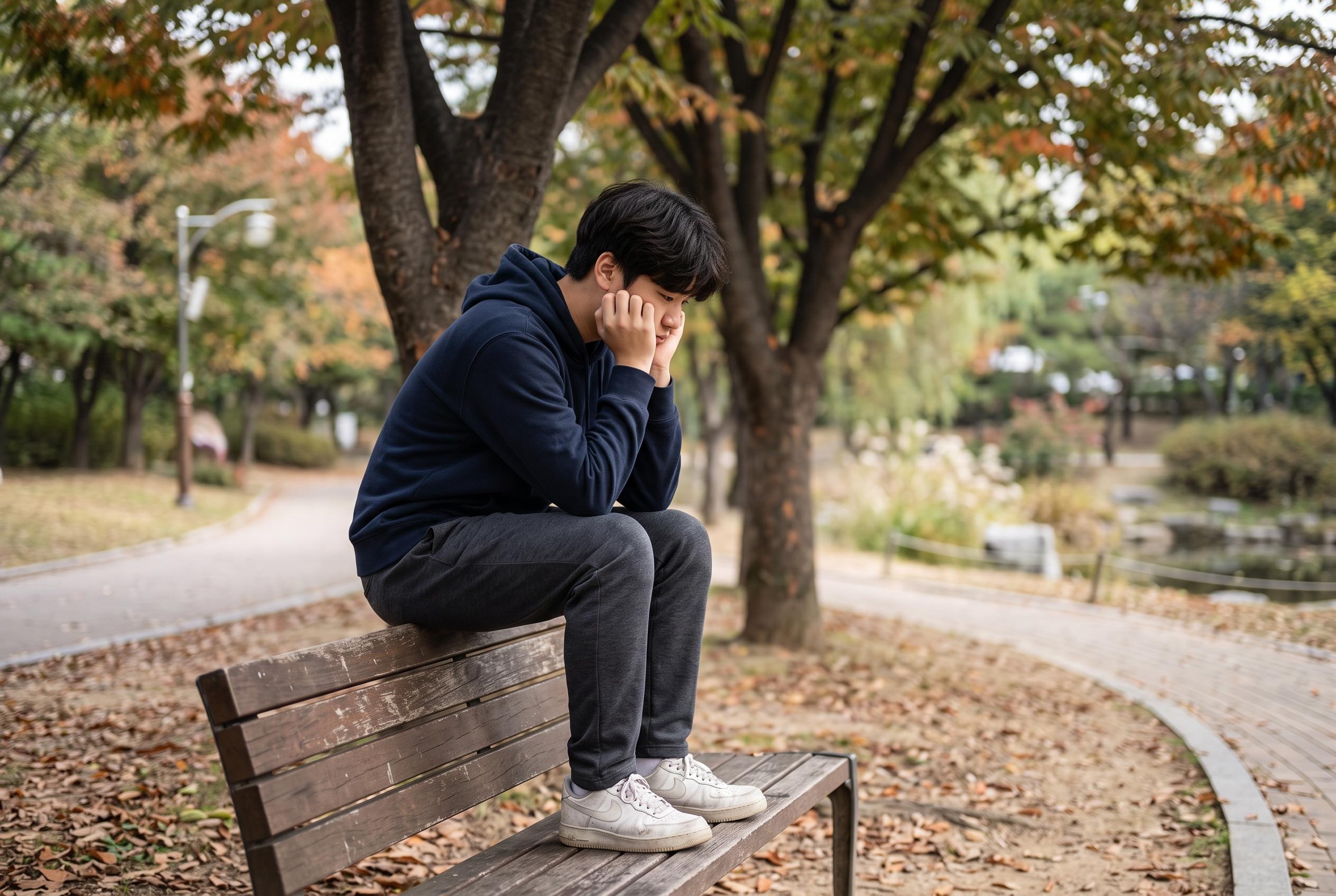

A growing trend of deliberate overdosing among South Korean teens, facilitated by social media platforms and lax pharmacy regulations, raises urgent concerns over youth mental health and drug access.
South Korea is confronting a growing teenage culture of intentional overdose, with a Newis report saying a 17-year-old girl described learning both how to obtain medicines and how to use them through social media. She said she began taking a sleep-inducing drug in 2023 and now repeats the behaviour three or four times a week, describing it as a way to escape from reality. According to the report, the trend is spreading through platforms such as X, where adolescents share methods, experiences and even recommendations for products that are easy to buy.
The problem is not limited to online imitation. Newis said a visit to a warehouse-style pharmacy in Seoul found that common over-the-counter medicines tied to these overdoses could be purchased without ID checks, purchase limits or counselling. The Korea Times has similarly reported that large-format drugstores are helping fuel teenage misuse because they make access to non-prescription drugs unusually easy, while offering little medical oversight.
Researchers have been warning for some time that youth drug use is being shaped by access and peer influence. A study indexed on the Korea Citation Index found that among South Koreans aged 18 to 24, 3.9% had used illicit drugs, with prescription medicines and inhalants the most common substances. The same research linked use to factors including perceived peer consumption, peer pressure and the availability of drugs. Another Korean study focused on youth drug abuse during the pandemic and said social media and the dark web made it easier for teenagers to obtain drugs, reinforcing the case for targeted prevention.
The scale of the issue is reflected in official youth data cited by Newis. The Korea Youth Policy Institute found that 5.2% of adolescents had used medical narcotics for non-medical purposes, a figure higher than the 4.2% who had smoked. Among the substances misused, ADHD medicines ranked first at 24.4%, followed by appetite suppressants at 20.0% and sleeping pills at 13.3%. Kim Hyun-soo, a psychiatrist at Myongji Hospital, told Newis that the motive has shifted: where earlier misuse was sometimes driven by a search for hallucinations, more recent cases are tied to self-harm and an attempt to briefly step away from painful emotions.
Disclaimer: This content is for informational purposes only and is not intended to be a substitute for professional medical judgment, advice, diagnosis, or treatment.