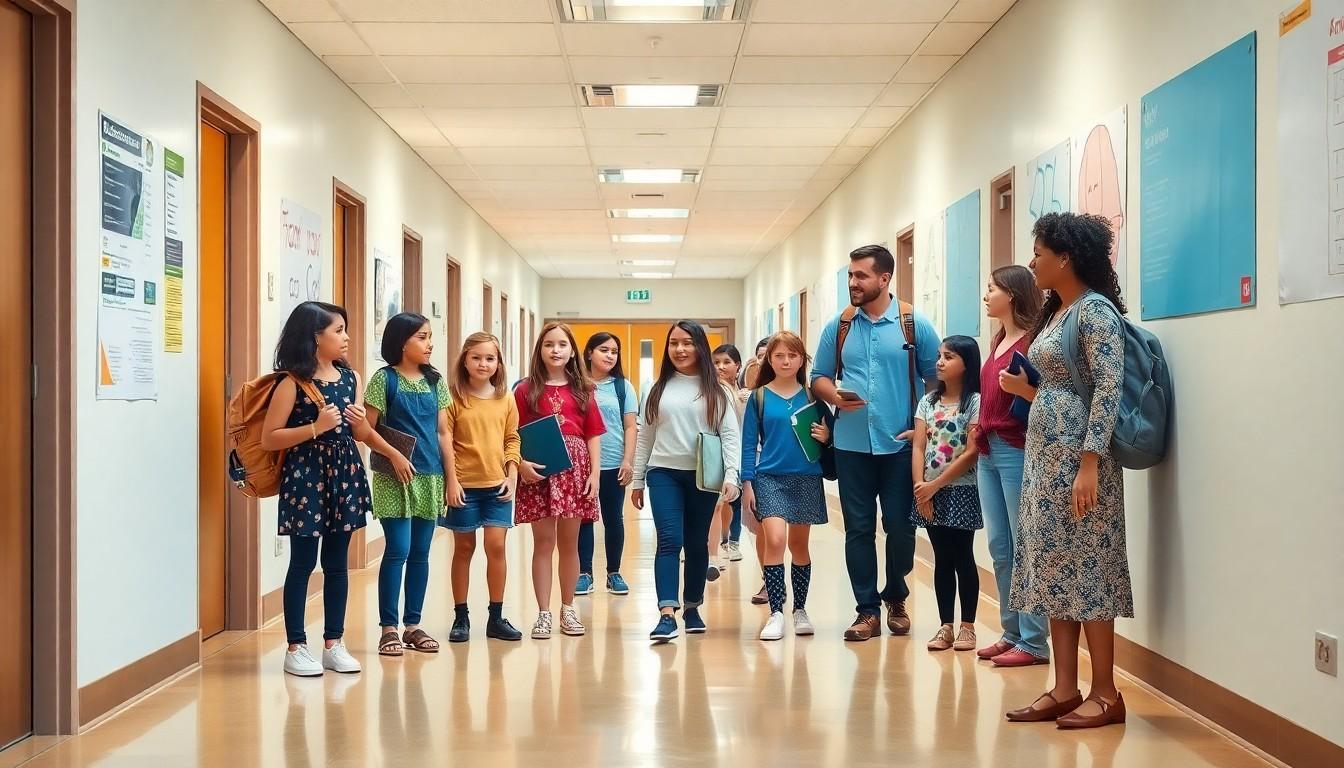

Many public schools are shifting towards a holistic approach to behaviour management with PBIS, aiming to foster safer, more equitable learning environments and improve academic and social outcomes for pupils.
Public schools are increasingly treating behaviour as more than a discipline issue and more as a central part of school improvement. Rather than waiting to respond after disruption has already affected a classroom, many districts are adopting Positive Behavioural Interventions and Supports, or PBIS, as a way to create calmer, safer and more predictable environments in which learning can take hold.
The logic behind that shift is straightforward: school climate matters. The Centre on PBIS says the framework is designed to help schools build safe, equitable and supportive settings through evidence-based practice, data-led decisions and stronger family engagement. The approach is intended to support academic, social, emotional and behavioural success, not simply reduce misconduct.
That wider view of behaviour is echoed by the Centres for Disease Control and Prevention, which says relationship-based school practices can improve school climate, strengthen problem-solving skills and reduce absenteeism, suspensions and disciplinary referrals. Some districts have also reported that a positive behaviour approach can ease stress on staff while giving pupils more instructional time and clearer expectations.
The appeal of PBIS lies partly in its structure. The model is usually described as a three-tier framework that begins with universal expectations for all pupils and then adds more targeted support where needed. Education departments in Colorado and Minnesota both describe it as a schoolwide system rather than a curriculum, with leadership teams, staff training and regular data reviews playing a crucial role in making the approach work.
That emphasis on consistency is important because the evidence suggests implementation matters as much as the idea itself. Research cited in school behaviour literature has found stronger results when administrators, teachers and pupils commit to the same expectations, while weaker outcomes tend to appear where adoption is patchy. Earlier studies in elementary schools also linked consistent positive behaviour supports with gains in reading, hinting that behaviour and attainment are closely connected.
For many schools, the broader aim is cultural as well as academic. Districts that have adopted PBIS often describe a shift away from reactive punishment and towards reinforcing positive choices, teaching expectations explicitly and supporting pupils before problems escalate. According to the Minnesota Department of Education, that kind of predictable environment can help pupils feel safer, make better decisions and spend more time engaged in learning.
Parents are also being drawn into the conversation, since behaviour frameworks work best when home and school send the same message. School systems in Baltimore County and Cincinnati describe PBIS as a method for improving outcomes for all pupils, including those with additional needs, while reducing exclusionary discipline and strengthening staff effectiveness. In practice, that means behaviour is no longer being treated as a side issue: it is becoming part of how schools define success.
Disclaimer: This content is for informational purposes only and is not intended to be a substitute for professional medical judgment, advice, diagnosis, or treatment.