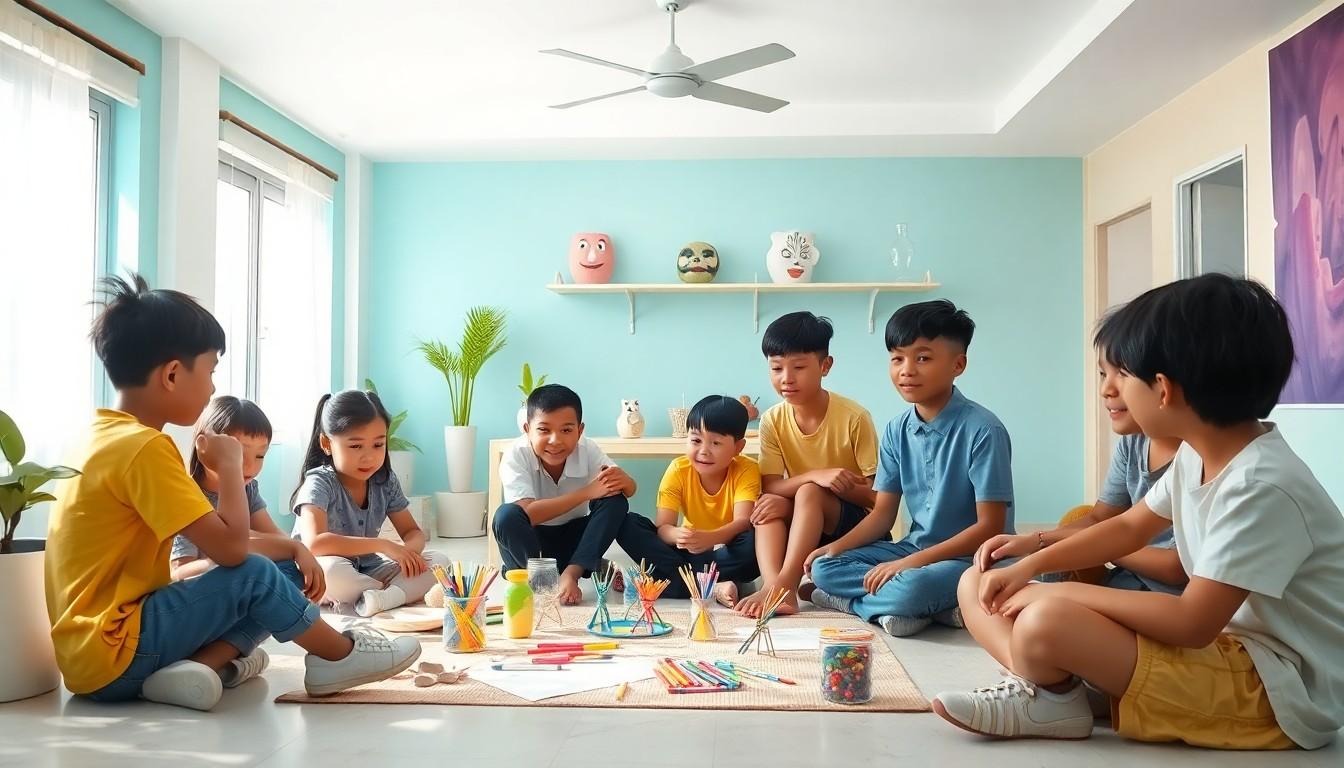

Indonesia is enhancing its child mental health strategy by increasing child-friendly spaces and emphasizing peer-led programmes amid growing concerns over mental health challenges among children and teenagers, driven by digital pressures.
Indonesia is widening its network of child-friendly spaces and stepping up cooperation across government departments as it seeks to confront what officials describe as a growing mental health challenge among children and teenagers. Population and Family Development Minister Wihaji said the programme is being broadened alongside work with the ministries responsible for communications and digital affairs, women’s empowerment and child protection, primary and secondary education, and religious affairs.
Speaking in Pangkalpinang on Thursday after inspecting a free nutritious meals unit, Wihaji said 34.9 per cent of Indonesian children were experiencing mental health problems. He said the government must update its response as technology and online habits reshape the pressures facing young people, arguing that new methods are needed to reach a generation growing up in a rapidly changing digital environment.
The ministry is also reinforcing the Generation Planning, or GenRe, programme and its Child Ambassadors initiative, which officials say can help spread mental health awareness among peers. Wihaji said teenagers are often more receptive to messages from fellow young people than from adults, making peer-led outreach a useful tool in efforts to support emotional well-being.
The announcement comes amid a wider push in Indonesia and beyond to make mental health support more accessible to families and children. UNICEF Indonesia offers parent guidance on common conditions including anxiety, depression and panic attacks, while also emphasising nurturing care as a foundation for social and emotional development. During the pandemic, the agency also backed “Ruang PEKA”, an online peer-support series for young people. Other local initiatives, from counselling and support groups to community programmes and specialist therapy centres, point to rising interest in more varied forms of support for children and adolescents.
Disclaimer: This content is for informational purposes only and is not intended to be a substitute for professional medical judgment, advice, diagnosis, or treatment.