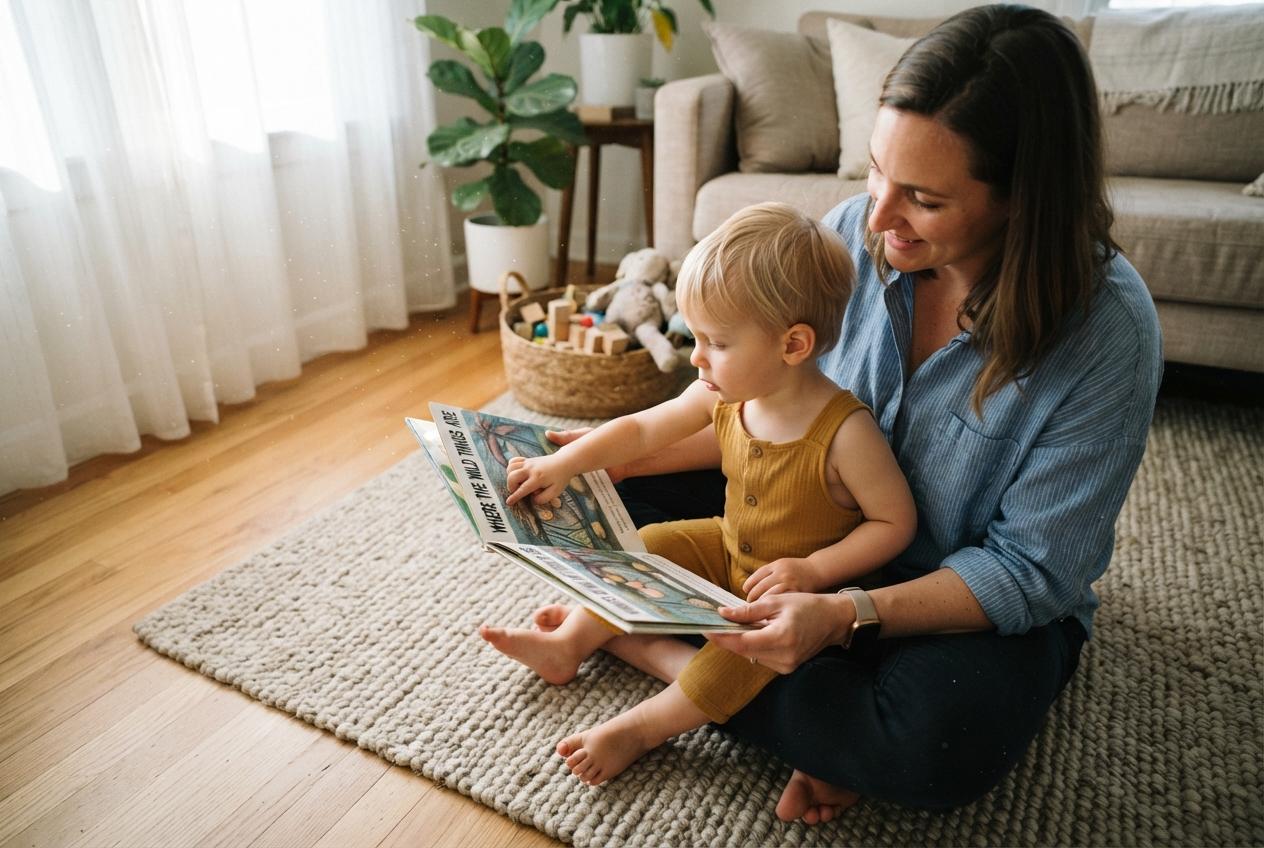

Research underscores the importance of everyday moments such as talking, reading, and physical contact in fostering a child’s neural growth during the critical early years, emphasising that simple, consistent interactions have long-lasting developmental benefits.
The early years of a child’s life are widely seen as a critical window for brain development, and specialists increasingly stress that the most effective support often comes from ordinary moments rather than expensive educational products. Aletihad said the first three years are especially important because key neural networks linked to language, attention, learning and social skills are taking shape, while Al Jazeera’s family coverage and medical sources cited in related reports echo the same point: routine, responsive interaction matters more than complexity.
One of the simplest ways to help is to talk to the child throughout the day. According to Aletihad, this can happen while bathing, cooking or folding clothes, because even babies who do not understand every word still respond to tone, rhythm and facial expression. Al Jazeera Family similarly noted that regular conversation gives children repeated exposure to language, helping them build the foundations for speech and social connection.
Asking questions is another small habit with a larger effect. Aletihad described the back-and-forth of asking, pausing and making eye contact as an early form of dialogue that teaches children how interaction works. Related advice from care hospitals’ paediatrics guidance also places reading and play among the most useful activities for strengthening communication and cognitive growth.
Reading picture books aloud can also support development long before a child can recognise letters. Aletihad said that infants benefit not only from hearing words but also from the closeness and comfort of being read to, while adults can deepen the lesson by naming images on the page. Care hospitals’ guidance likewise argued that reading strengthens language and communication skills even before formal literacy begins.
Touch, meanwhile, remains the first language many babies understand. Aletihad said gentle massage and skin-to-skin contact help calm a child, regulate the heartbeat and reduce stress, which in turn supports a safer emotional environment for learning. Al Jazeera Family also highlighted hugging and other positive physical contact as simple but powerful forms of reassurance.
Finally, consistency matters. Aletihad said children do not need perfect parents, but they do need predictable care, repeated responses to crying, play, smiles and eye contact. That view is reinforced by broader reporting on early childhood development, which links stable, nourishing and stimulating environments with stronger cognitive, physical and social outcomes. Separate articles have also pointed to the value of good nutrition, music and active exploration, all of which can add to the child’s early learning experience.
Disclaimer: This content is for informational purposes only and is not intended to be a substitute for professional medical judgment, advice, diagnosis, or treatment.