
Research suggests that reducing preschool class sizes can lead to significant benefits in children’s social, language and literacy development, particularly in disadvantaged communities. Well-trained teachers and effective classroom routines are key to maximising these gains.
When parents visit a preschool, the first things they usually notice are the cheerful displays, low tables and shelves of books and toys. Yet the feel of the room often matters just as much as the décor. Some classrooms seem settled and attentive; others are busier and more hurried, and that difference can shape a child’s day in ways families may not immediately see.
For parents weighing options in Parker, Colorado, class size is one of the quieter but more important questions to ask alongside curriculum, opening hours and fees. Researchers at the National Institute for Early Education Research have found that smaller preschool classes can support gains in language, general knowledge and social behaviour, although the wider evidence is not entirely uniform. The key, they suggest, is that smaller groups work best when they are paired with well-trained teachers who know how to use the extra space and time effectively.
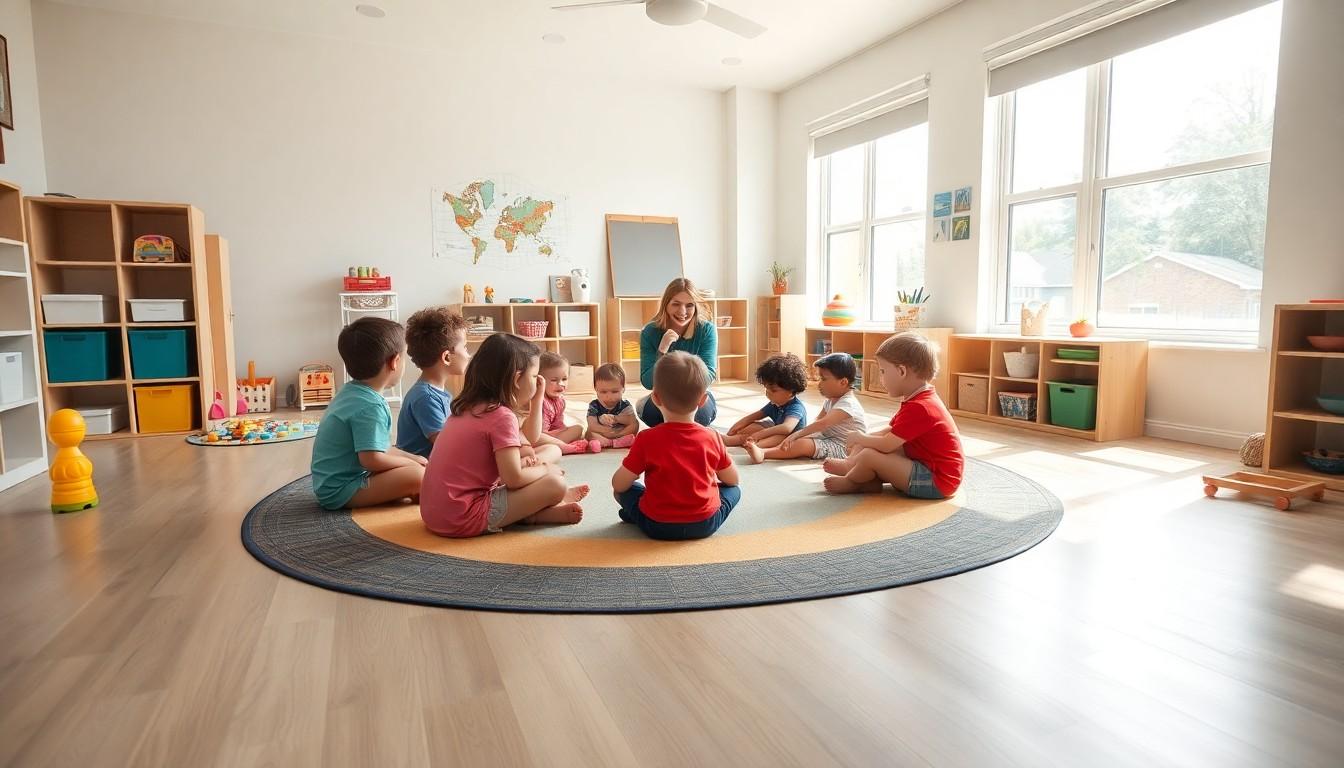
One reason smaller settings can matter is simple visibility. In a room with fewer children, teachers are more likely to notice the child who has finally written the first letter of their name, the one who is ready to join a group game, or the quiet pupil who needs reassurance at drop-off. The same research base suggests that these classrooms can create more one-to-one interaction, which helps teachers respond to children’s progress in the moment rather than after the fact.
That kind of attention also changes the texture of learning. Much of preschool education happens in ordinary exchanges: a teacher asks what might happen if a block tower goes higher, or joins a pretend shop to extend a child’s play. Studies of reduced-size classrooms have linked those extra interactions with stronger literacy gains by the end of the year, while a broader review of child-staff ratios found that better ratios are thought to increase the chances of individual support, even though results across studies remain mixed.
Class size also affects how children learn to live with others. Preschool is often where children first practise waiting, sharing and resolving disagreements without a parent close by. According to the review literature, closer ratios can give staff more opportunity to guide those social moments, though the evidence is not consistently positive across every study. More recent research has also suggested that the benefits of smaller classes may be especially marked for children in disadvantaged areas, where both cognitive and non-cognitive gains appear stronger.
Still, class size is only part of the picture. A small classroom can feel chaotic if routines are weak, just as a larger one can feel warm and orderly when teachers are experienced and well organised. That is why parents are often better served by watching the room in action than by relying on a brochure alone: do children approach adults easily, do teachers have time to sit and talk, and do interactions sound calm and encouraging? Those details often reveal more about a preschool than any headline figure.
In the end, most families want the same thing: a place where their child is known, supported and eager to learn. The research does not suggest that class size is the only measure that matters, but it does show that numbers can influence how much individual attention, conversation and confidence a child receives during some of their earliest school years.
Disclaimer: This content is for informational purposes only and is not intended to be a substitute for professional medical judgment, advice, diagnosis, or treatment.