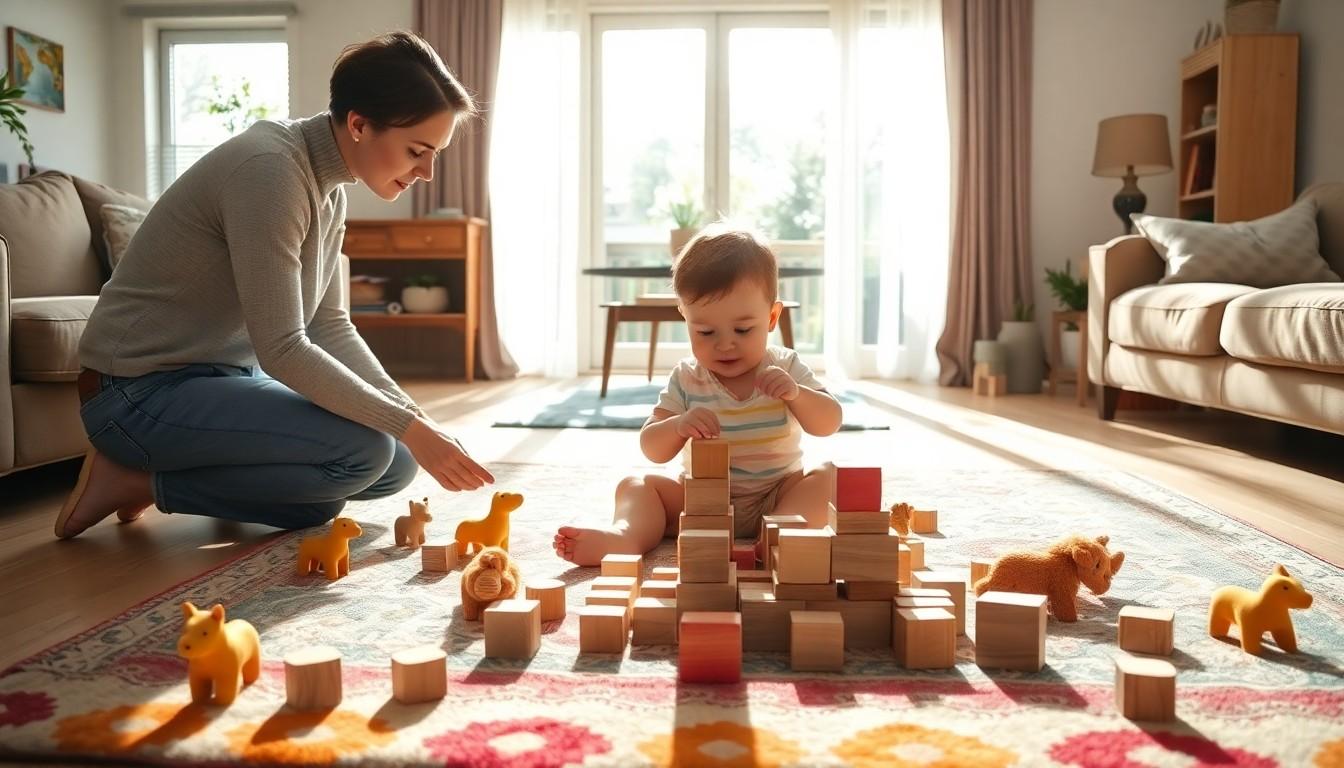

An increasing number of parents are turning to home-based preschool learning, focusing on play and everyday activities to foster early skills outside traditional classroom settings, offering a more personalised and relaxed approach to early childhood education.
More parents are deciding that the preschool years do not need to be confined to a classroom timetable, with home-based learning increasingly seen as a practical way to build early skills through ordinary play. The central idea is not to recreate nursery at home, but to turn everyday moments into gentle lessons, from counting objects in the kitchen to talking through stories at bedtime. According to Kids Activities Blog, that approach can be both less intimidating and more natural than many families expect.
The case for preschool at home rests on the fact that young children learn best through repetition, movement and hands-on discovery. Homeschool.com notes that simple, intentional play can be folded into daily routines, whether that means setting aside a short block of time for learning or using shared activities to introduce vocabulary, numbers and social skills. The emphasis is on curiosity rather than formal instruction, with parents encouraged to follow a child’s interests instead of forcing a rigid model of school.
For many families, that flexibility is the real attraction. Homeschool.com says parents often value the chance to tailor the pace, content and rhythm of learning to a child’s temperament, while also creating a calmer atmosphere than some children experience in a larger group setting. It also argues that social development need not suffer outside traditional preschool, because children can mix with a broader range of ages and people through family life, playgroups, community activities and outings.
A home preschool curriculum, experts say, works best when it is built around broad developmental areas rather than worksheets and drills. That includes early literacy, such as recognising letters, hearing sounds and understanding that print carries meaning; pre-writing skills, such as pencil grip and tracing; early numeracy, such as counting, sorting and comparing quantities; and practical life skills, such as following instructions, tidying up and dressing independently. Kids Activities Blog frames these goals as a checklist for school readiness, but one that can be met through playful, low-pressure activities.
The strongest theme running through the guidance is that preschool learning does not have to look like “school” at all. Children can trace letters in sand, hunt for shapes around the house, count snacks, build patterns with objects or retell a story after a read-aloud. Homeschool.com recommends bringing children into daily tasks, explaining what is happening as you go, and using games, outdoor time and field trips to extend learning beyond the table. That kind of flexible structure, it suggests, can make home education feel less like a programme and more like a way of living.
For parents considering the first steps, the advice is pragmatic rather than prescriptive. Kids Activities Blog suggests starting with a short, consistent routine, choosing a few priorities for the year and adjusting as a child grows. The broader message from both sites is that preschool at home is less about perfection than about building a love of learning early, with play as the vehicle and the parent as a guide.
Disclaimer: This content is for informational purposes only and is not intended to be a substitute for professional medical judgment, advice, diagnosis, or treatment.